Insulating Castables: Types, Properties, and Industrial Uses
Heat loss is an expensive problem in any furnace or high-temperature process. Even when the heating system itself is working properly, poor insulation can allow valuable heat to escape through the lining. This is where insulating castables have an important role.
These castable refractory materials are designed to reduce heat transfer while providing a practical lining solution for demanding industrial equipment. Their relatively low density and thermal conductivity make them useful where controlling heat flow matters as much as resisting high temperatures. They are used in furnaces, kilns, boilers, and other thermal-processing equipment across several industries.
But not every insulating castable is made for the same job. The right choice depends on temperature, lining design, mechanical conditions, and the level of insulation required. Understanding these differences is the first step toward choosing a material that performs properly in service.
What Are Insulating Castables
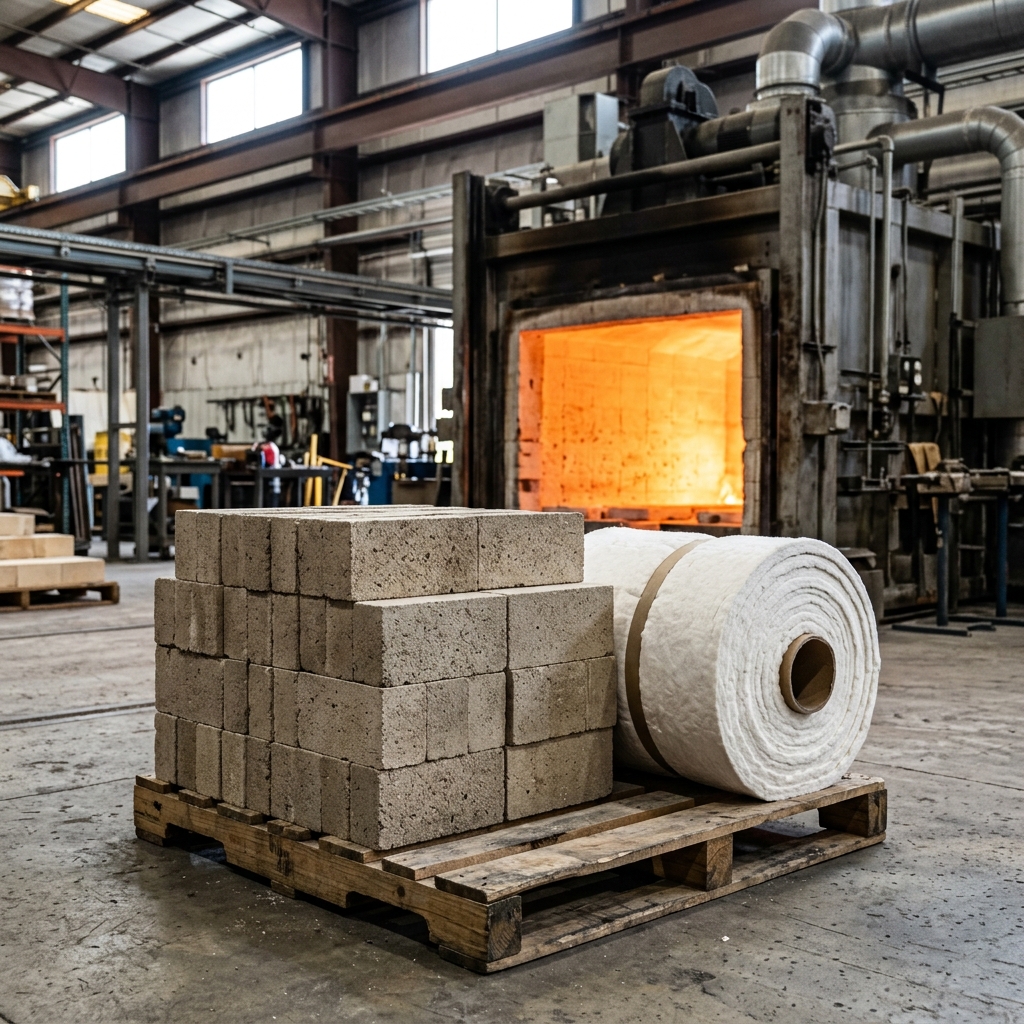
Insulating castables are lightweight refractory mixes used to build thermal barriers inside high-temperature equipment. When mixed and installed, they harden into a solid lining that slows heat moving from the furnace interior toward the outer shell.
Compared with dense refractory castables, insulating grades prioritize low density and low thermal conductivity over raw structural strength. That makes them ideal for backup insulation or anywhere stopping heat loss is the primary goal.
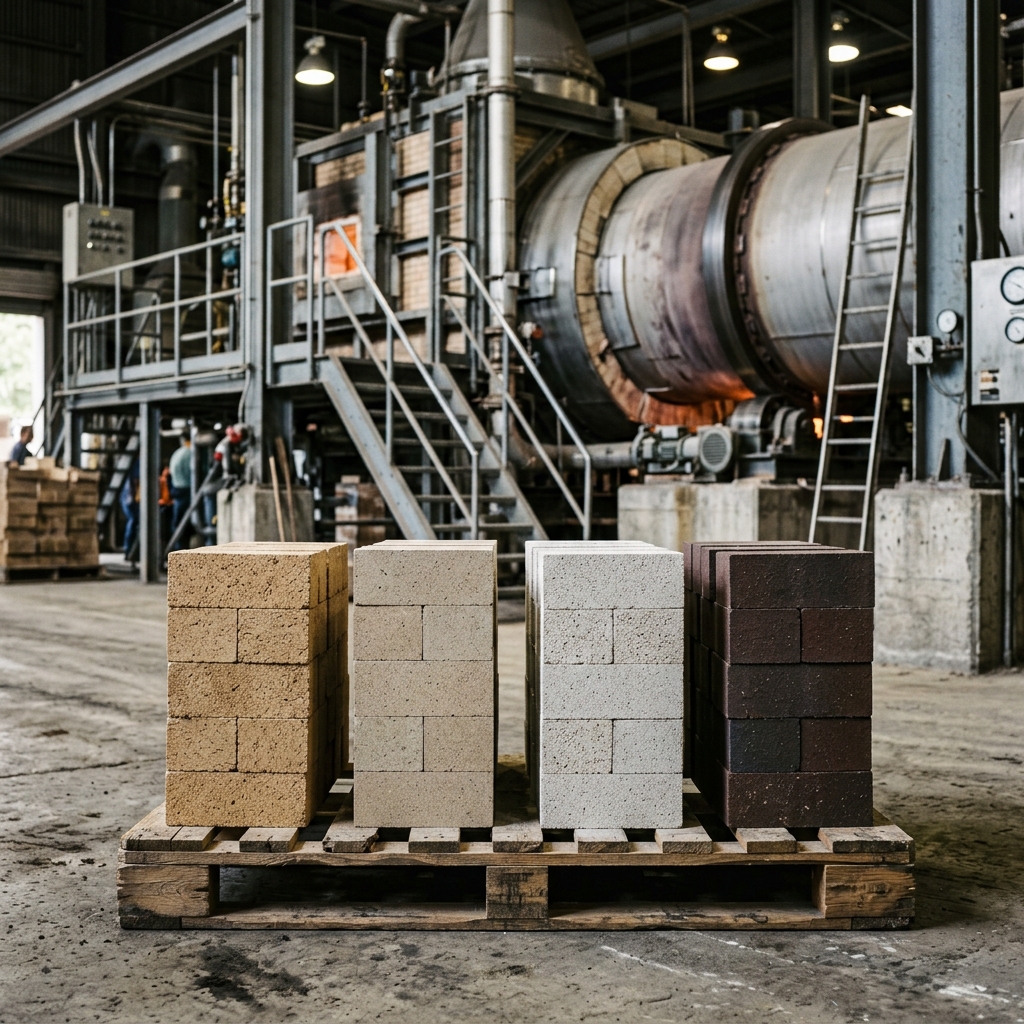
Manufacturers formulate refractory insulating castables using various lightweight aggregates and binders to handle specific operating temperatures. How well they perform comes down to three things: the exact mix, how carefully it's placed, and where it sits in the overall furnace lining.
Never pick a product just because it's light. The material still has to survive real-world furnace conditions, meaning you have to factor in maximum temperature exposure, rapid thermal cycling, structural loads, and how it interacts with neighboring refractory layers.
Types of Insulating Castables
Insulating castables are available in different formulations because industrial equipment does not operate under one standard set of conditions. Some applications prioritize minimum heat transfer, while others require a stronger balance between insulation and temperature resistance.
Lightweight Insulating Castables
Lightweight insulating castables are designed around reduced density and thermal conductivity. They are commonly considered for backup lining and insulation zones where limiting heat transfer is more important than handling severe mechanical wear.
Thermal Insulating Castables
Thermal insulating castables focus primarily on controlling heat movement through the refractory structure. They can help maintain process temperatures while reducing unnecessary heat reaching the outer casing or surrounding structure.
High-Temperature Castables
For applications where insulation must be maintained under elevated service temperatures, high-temperature castables are developed. Their suitability depends on the temperature range and the specific conditions of the equipment.
Insulating Refractory Castables
Insulating refractory castables combine the basic function of a refractory lining material with a strong emphasis on thermal insulation. They are selected according to the demands of the particular lining system rather than as a universal solution.
Key Properties of Insulating Castables
Temperature limits only tell half the story. What actually determines whether an insulating castable survives in a running furnace comes down to a few core traits:
- Low Bulk Density: Less overall weight means less structural strain on your steel shell and easier multi-layer installs.
- Low Thermal Conductivity: Keeps heat inside the unit, which slashes fuel costs and drops shell temperatures.
- Thermal Shock Resistance: Withstands aggressive heating and cooling cycles without cracking, spalling, or falling apart.
- Structural Stability: Holds its own against internal stress without reacting poorly with adjacent lining materials.
Never pick an insulating refractory castable on R-value alone. If it can't handle your furnace's mechanical load or thermal cycling, the insulation rating won't be enough.
Benefits of Insulating Castables
Keeping process heat inside a furnace usually comes down to simple economics, and that is where industrial insulating castables deliver value.
- Lower Fuel Consumption: Trapping heat inside the chamber means burner systems don't have to work as hard to maintain set temperatures.
- Lighter Steel Loads: Because these mixes weigh a fraction of dense refractories, you put far less structural stress on outer shells and support frames during rebuilds.
- Safer Exterior Temperatures: Cutting heat transfer keeps outer equipment walls cooler, protecting nearby sensors, cabling, and surrounding work areas.
- Consistent Zone Control: Eliminating cold spots along the shell helps stabilize heat distribution across the entire processing area.
A properly matched insulating castable isn't just passive insulation. It is an active component that protects structural steel and cuts long-term operating costs.
Industrial Applications of Insulating Castables
The use of insulating castables extends across industries where high temperatures and heat retention are part of normal operations. Their exact position within a lining depends on the equipment and the conditions it faces.
Industrial Furnaces
Furnace walls, roofs, heating chambers, and backup layers can use insulating castables to reduce heat transfer. Furnace insulation castables are particularly useful where maintaining internal temperatures while limiting external heat loss is a priority.
Steel and Metal Processing
Steel plants and metal-processing facilities operate equipment exposed to demanding thermal conditions. Insulating castables can be used in suitable sections of reheating furnaces, heat-treatment units, and other thermal equipment where insulation supports the overall refractory design.
Cement and Lime Plants
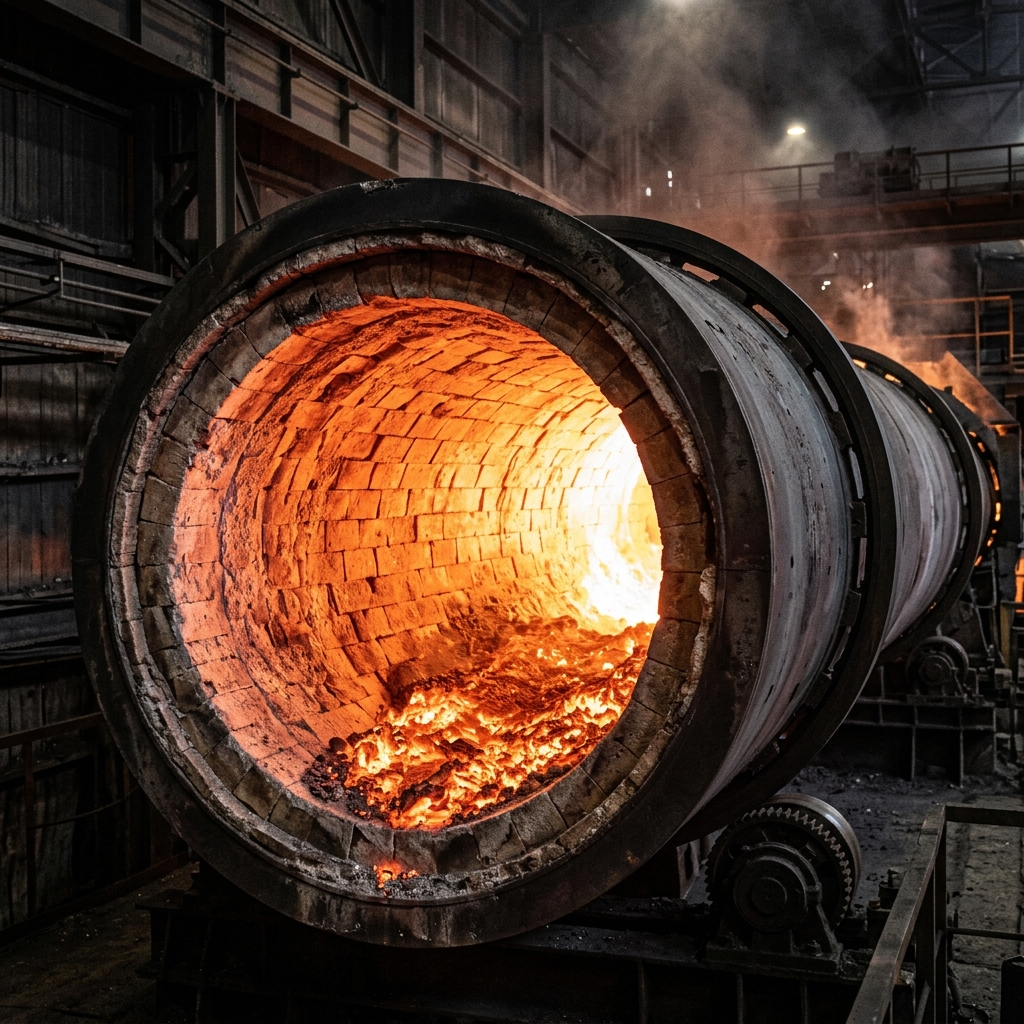
Kilns and related equipment require refractory linings capable of handling sustained heat. Insulating castables may be incorporated into selected lining zones to reduce heat movement through the structure while supporting efficient thermal operation.
Foundries
Foundry furnaces and associated thermal equipment can benefit from insulating layers that help retain heat during melting and holding operations. Material selection depends on the furnace design and the temperatures involved.
Power and Process Industries
Boilers, heaters, incinerators, and other thermal-processing equipment may also use insulating castables where heat containment is required. In these applications, the material must be matched carefully to operating temperature and surrounding refractory layers.
Choosing an Insulating Castable Manufacturer
Picking an insulating castable manufacturer isn't as simple as matching a temperature spec on a datasheet. What actually matters is batch-to-batch consistency, a slight tweak in the mix can completely ruin how the material pours, sets, or holds up under heat.
- Proven Quality Control: Look for strict batch testing and clear material specs so the bag you open today performs the exact same as the one you bought last year.
- Refractory System Knowledge: Reliable suppliers don't treat insulation as a standalone product. They understand how it interacts with your dense refractory linings and anchor setups.
- Real Application Experience: Find a team that asks about your furnace design, ramp-up schedules, and operating environment before handing you a recommendation.
- On-the-Ground Technical Support: You need engineers who can troubleshoot installation issues on-site, not just salespeople reading off a product brochure.
A good manufacturer won't just sell you a material that looks good on paper; they'll help you pick a formulation that actually survives your operating conditions.
Getting the Most Out of Your Refractory Insulation
Insulating castables serve one core purpose: holding heat inside high-temperature units without adding excessive dead weight to the shell. Their real value lies in striking the right balance between low thermal conductivity, thermal shock resistance, and chemical compatibility with the rest of your lining.
Whether you're running steel furnaces, cement kilns, or petrochemical reactors, the right mix keeps internal temperatures steady and fuel bills manageable. But picking the lightest option on the shelf is rarely the answer. Furnace atmosphere, mechanical stress, ramp rates, and overall lining geometry need to dictate your material choice.
Specifying refractories is rarely straightforward. Partnering with a manufacturer who understands real-world furnace dynamics ensures the material you install actually survives its intended campaign life.
Ready to protect your lining investment and reduce furnace heat loss? Reach out to our technical team today to find the exact insulating castable engineered for your plant's setup.
Popular Posts