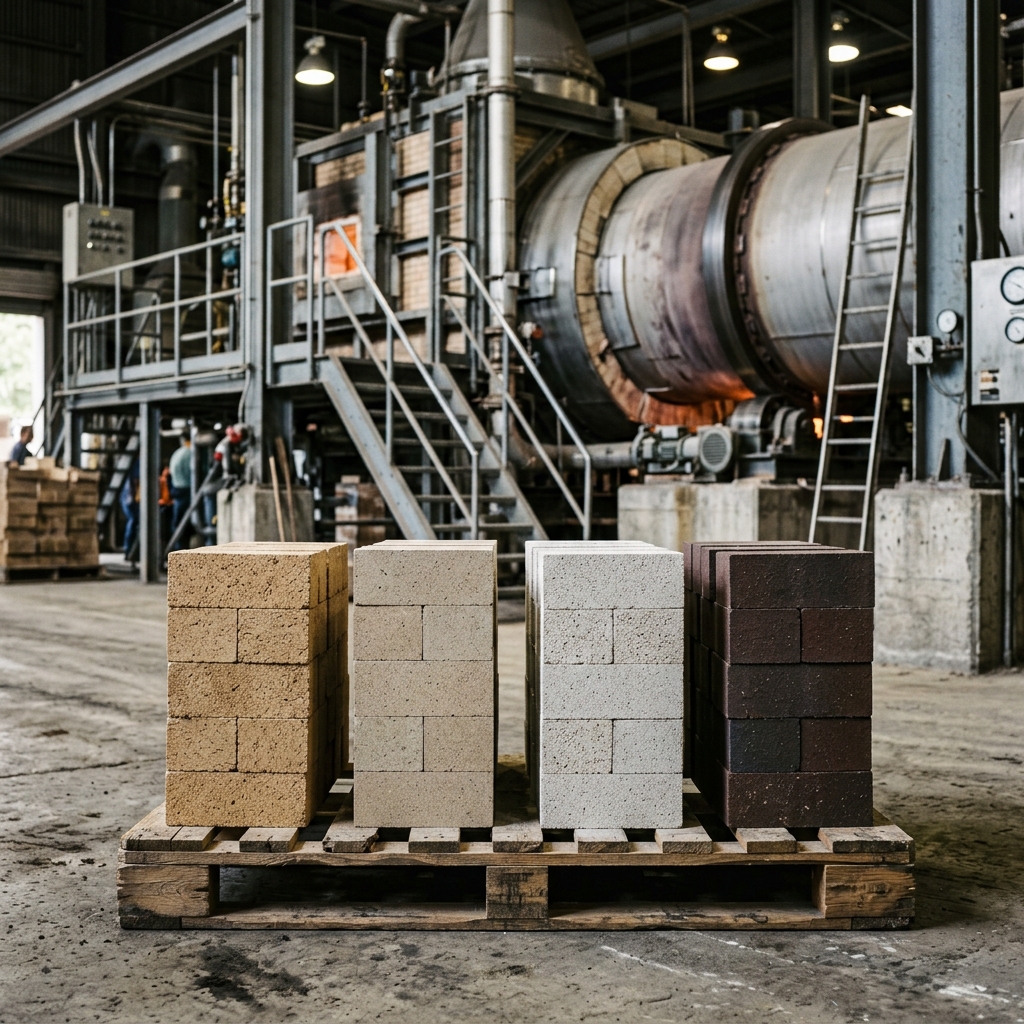
A Complete Guide to Refractory Bricks: Types, Uses, and Industrial Applications
The selection of the types of refractory bricks isn't done by focusing on temperature alone. That's a mistake many people make until they see two furnace linings performing very differently under what appears to be the same operating conditions.
A cement kiln, a steel furnace, and a glass melting tank all generate intense heat, yet each places its own demands on the lining. Some environments are harder on refractories because of abrasion. Others are affected more by thermal cycling or chemical attack.
Understanding the differences makes it easier to select the right refractory bricks for the job instead of relying on a one-size-fits-all approach. That's exactly what this guide is designed to help you do.
What Makes Industrial Refractory Bricks Different
At first glance, one refractory brick can look much like another. The differences usually appear only after the furnace is back in operation.
Industrial refractory bricks are selected for the conditions they have to withstand every day, not because they share the same shape or size. A lining exposed to molten steel faces a very different environment from one installed inside a cement kiln or glass furnace.
Heat is only one part of the equation. Abrasion, chemical attack, thermal cycling, and mechanical loading all influence how a brick performs over time. That is why refractory selection starts with understanding the process first and choosing the material second.
Exploring the Main Types of Refractory Bricks
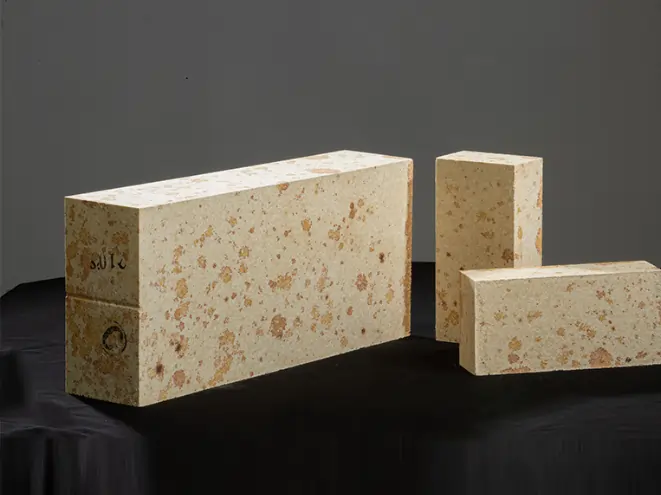
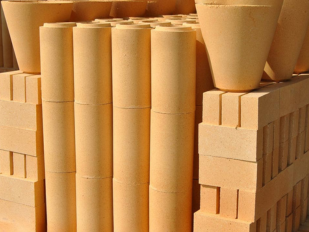
Fire Clay Bricks (Fire Bricks)
Many high-temperature applications don't require the most expensive lining. Fire bricks remain a practical choice for furnaces, boilers, and kilns where dependable heat resistance and cost-effective performance need to go hand in hand.
High Alumina Bricks
As operating temperatures and mechanical stress increase, standard refractory grades may no longer be suitable. High alumina bricks are commonly selected where greater strength, wear resistance, and thermal stability are expected over long production campaigns.
Silica Refractory Bricks
Some thermal processes operate more efficiently when the lining remains dimensionally stable under sustained heat. That is one reason silica refractory bricks continue to be used in applications such as coke ovens and glass furnaces.
Magnesia Bricks
Steelmaking places different demands on refractory linings than many other industries. Magnesia bricks are widely used where resistance to basic slags and high operating temperatures becomes a deciding factor.
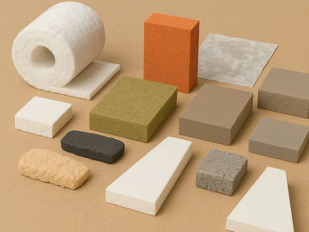
Insulating Bricks
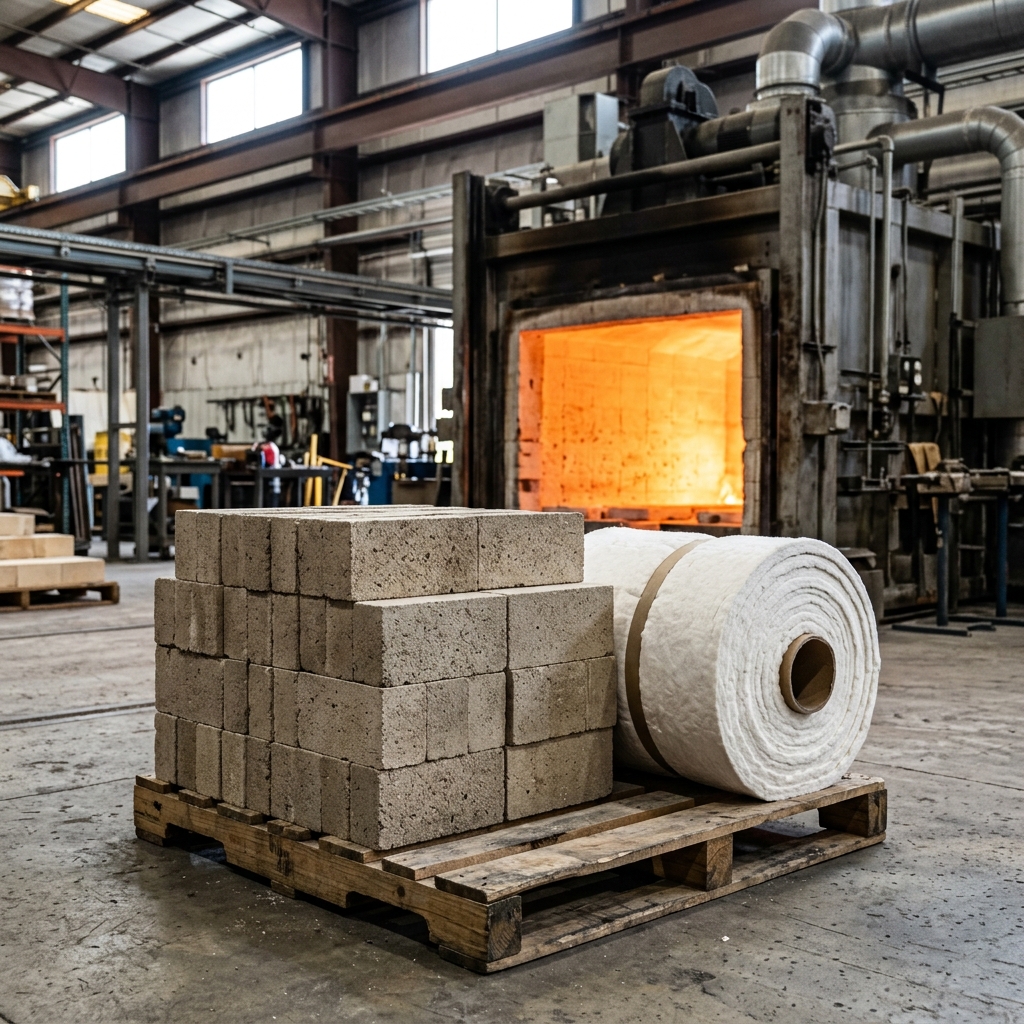
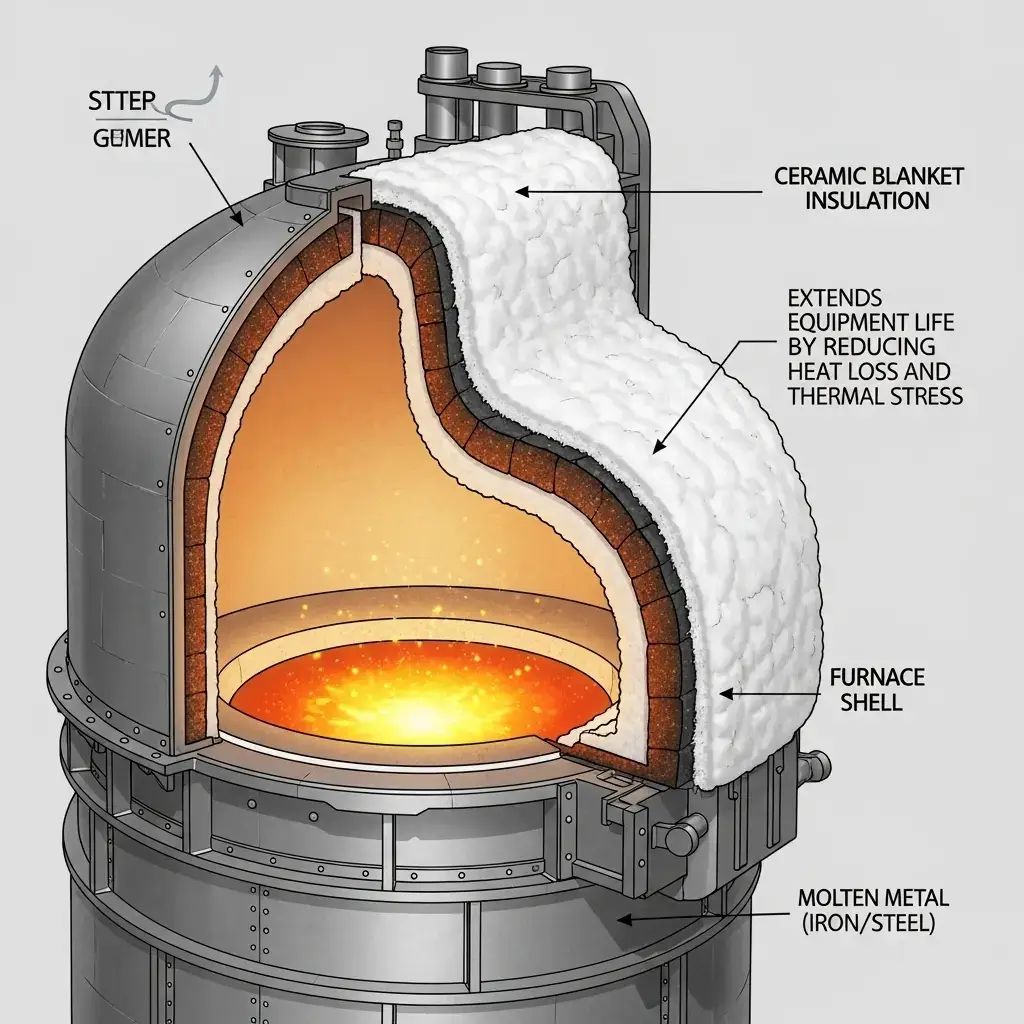
Not every refractory brick is expected to carry the same workload. Insulating bricks are often installed behind the working lining, helping reduce heat loss while supporting more stable furnace temperatures.
Matching Refractory Bricks to Industrial Applications
Walk into two different plants and you'll quickly notice something: similar furnaces don't always have the same lining. That isn't a coincidence. The refractory is selected around the process it has to survive, not the appearance of the equipment.
- Fire bricks are commonly installed in boilers, furnaces, and heat-treatment equipment where dependable performance under moderate to high temperatures is required without overengineering the lining.
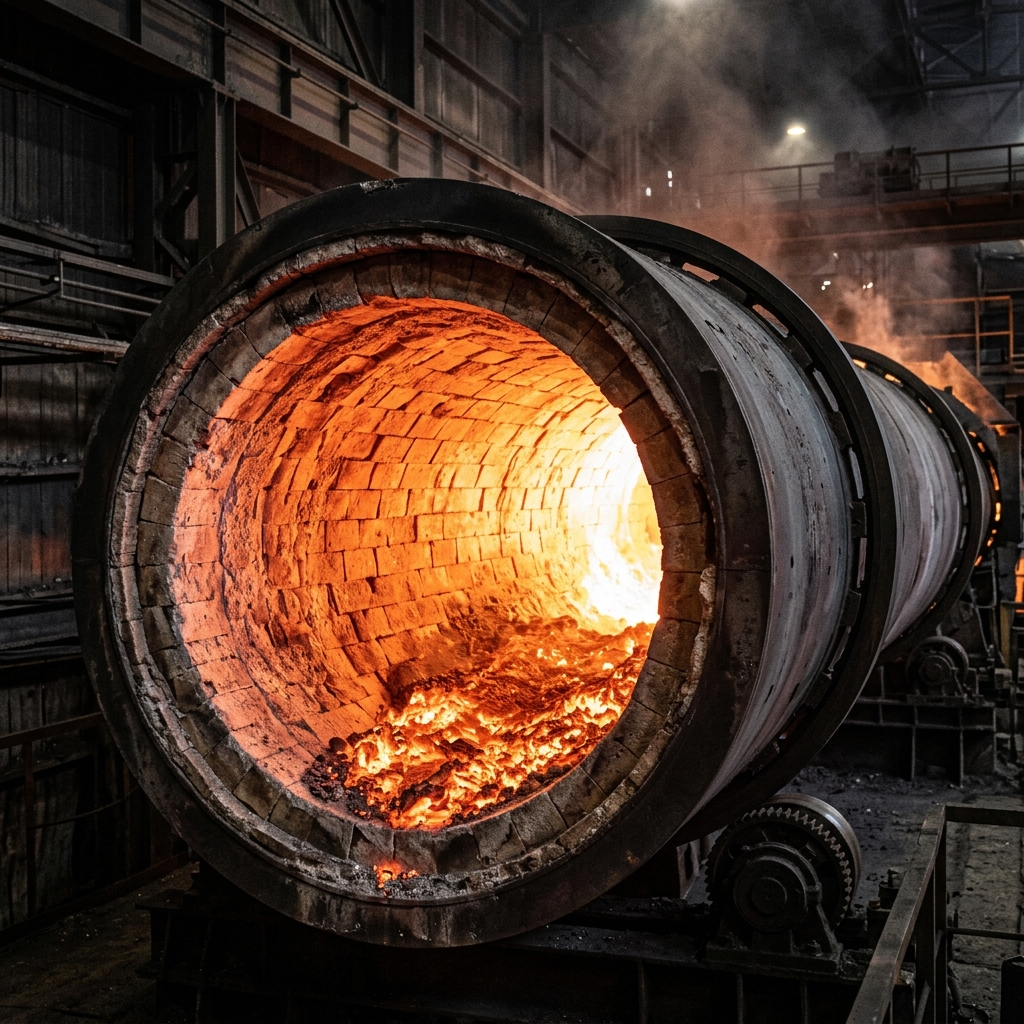
- High alumina bricks are often chosen for cement kilns and other demanding process areas where abrasion and sustained operating temperatures place greater stress on the refractory.
- Silica refractory bricks are prioritized in glass manufacturing and coke oven applications for maintaining stability during long production runs under consistently high temperatures.
- Magnesia bricks are the ideal choice where steelmaking involves basic slags and severe thermal conditions, magnesia bricks remain a preferred option because their chemical composition is better suited to that operating environment.
The process always comes first. Once the operating conditions are clearly understood, selecting the right refractory bricks becomes a far more practical engineering decision than simply comparing specifications.
Benefits of Choosing the Right Refractory Brick in Daily Operations
The first few days after installation rarely reveal much about a refractory lining. Real performance becomes easier to judge after weeks of production, when the furnace has been through repeated heating cycles and normal operating demands.
A well-selected refractory brick often shows its value in practical ways:
Consistent Stabilization
Heat is retained where the process needs it instead of being lost through a lining that has started to deteriorate.
Extended Durability
Wear still occurs, but it tends to develop at a more predictable pace when the brick matches the application.
Predictable Maintenance
When a lining behaves the way it was expected to, maintenance teams spend less time adjusting production plans around unexpected refractory work.
Proactive Scheduling
That's usually one of the clearest signs that the selected refractory is well matched to the application.
Plant teams usually remember refractory performance for one simple reason, which is how often they had to stop production because of it.
Choosing the Right Refractory Brick for Your Application
Selecting the right refractory brick starts with understanding the process, not the catalogue.
Every Furnace Works Differently
Similar furnaces can place very different demands on a lining. Temperature matters, but so do fuel, process chemistry, production cycles, and material movement.
One Brick Grade Doesn't Fit Every Zone
Conditions change across a furnace. Areas exposed to flame, abrasion, or heavier wear often require different refractory properties than the rest of the lining.
Long-Term Performance Tells the Story
A lining proves itself during production, not after installation. Predictable wear and planned replacement cycles usually indicate the right material was selected.
Experience Supports Better Decisions
When applications become more demanding, an experienced refractory brick manufacturer can help evaluate operating conditions before recommending a suitable brick grade.
Selecting the Right Refractory Brick Starts with a Smart Approach
Choosing a refractory brick isn't just about handling higher temperatures. The right selection comes from understanding the process, operating conditions, and long-term performance expectations.
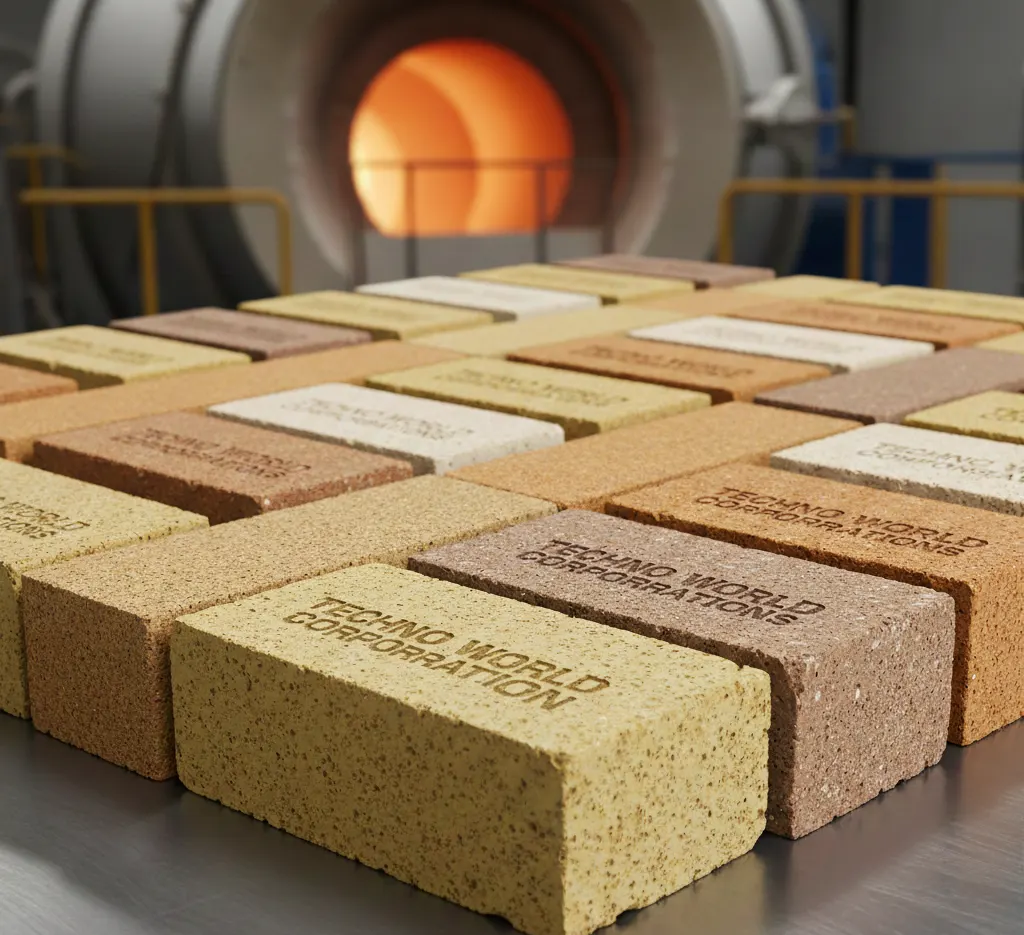
If you're planning a new installation or replacing an existing lining, Techno World Corporation can help you evaluate your application and recommend refractory solutions that support reliable, long-lasting industrial performance.
Popular Posts