Fire Brick Mortar Explained: Applications, Benefits, and Performance
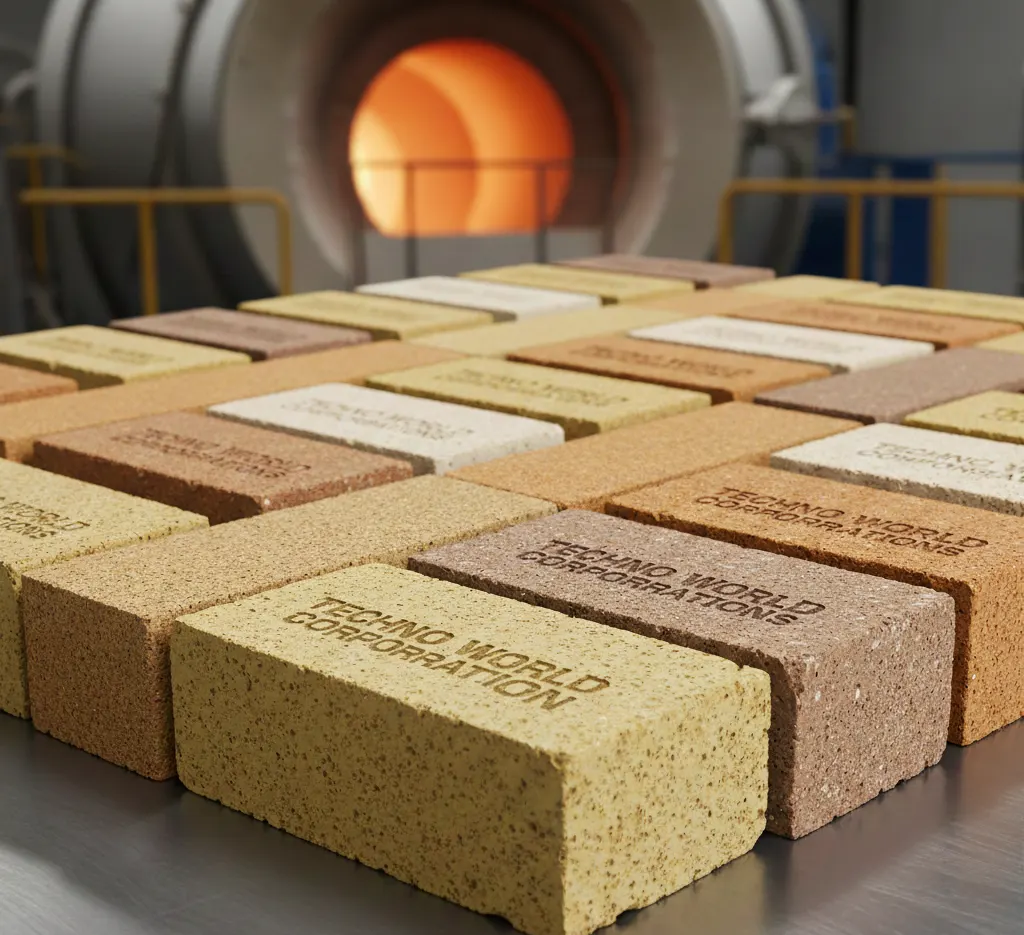
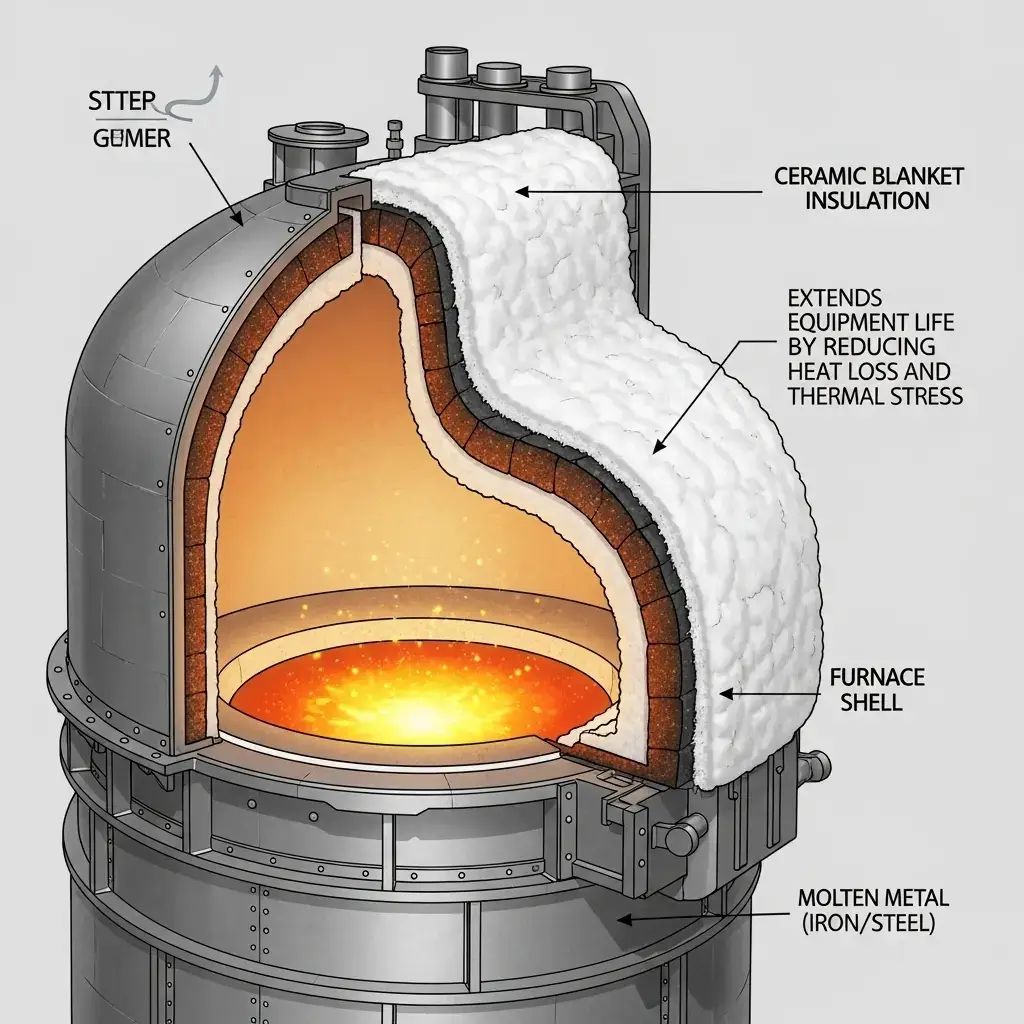
Refractory bricks form the foundation of high-temperature industrial operations, but they cannot perform effectively without the right fire brick mortar. Even the highest quality refractory lining may become less effective if the mortar binding the bricks cannot perform well in demanding operation conditions. Whether it's a kiln, boiler, or incinerator, every joint plays an important role in maintaining the strength, stability, and thermal performance of the entire refractory lining.
Under industrial settings, where exposure to higher temperature is continuous, conventional masonry mortar fails. This is where fire brick mortar becomes mandatory, ensuring the bonding strength stays unaffected.
Choosing the right material helps maintain structural integrity, restrict heat loss, and support long-term performance. This guide explains what fire brick mortar is, where it is used, the advantages it offers, and how it contributes to improved furnace efficiency and longer refractory service life.
What Is Fire Brick Mortar?
If you try using standard hardware-store mortar inside a furnace or kiln, it won't last long. Regular concrete and masonry mortars trap moisture, dry out too fast under extreme heat, and eventually crumble into dust.
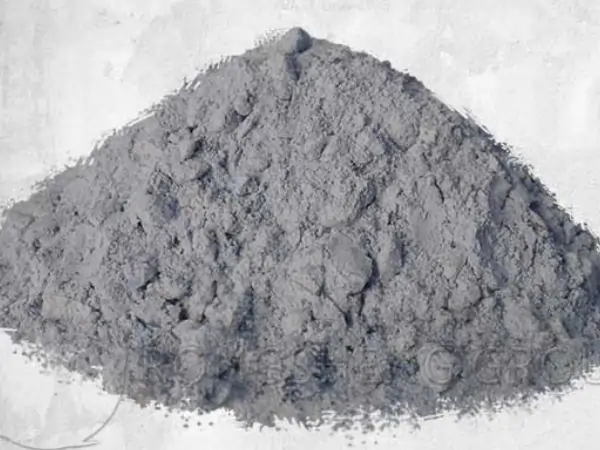
Fire brick mortar, also known as refractory mortar, is built specifically for these environments. It relies on a mixture of fine heat-tolerant clays, minerals, and chemical binders designed to survive temperatures that would easily melt or crack standard materials.
The real key to a good fire clay high alumina bricks is how it handles thermal movement. As an industrial heater, forge, or fireplace fires up and cools down, the surrounding bricks expand and shrink. Refractory mortar moves right along with them. That flexibility keeps the seams tight, prevents heat leaks, and stops the entire brick lining from shifting or collapsing over time.
Why Fire Brick Mortar Is Essential in High-Temperature Systems
Running equipment like kilns, heat-treat ovens, or industrial furnaces puts constant stress on the internal brickwork. Extreme temperatures, sharp heat spikes, and heavy physical loads will tear right through standard mortar. That's why high-temperature mortar is a requirement, not an upgrade, it's the glue holding the entire setup together.
Here are some reasons why the mortar you choose directly controls how long your lining lasts:
- It moves when the bricks move. Bricks swell as they get hot and shrink as they cool. Refractory mortar gives just enough to absorb that constant shifting so the joints don't snap or pop bricks out of place.
- It traps heat inside. Gaps between unsealed bricks let energy bleed out, driving up fuel consumption and forcing your burners to work twice as hard. This heat-resistant mortar locks that thermal energy in the chamber.
- It safeguards the outer structure. Without a tight seal, hot exhaust and corrosive gases seep past the brick layer and rot out the steel casing behind it.
- It cuts down on maintenance. Refractory walls almost always fail at the seams first. Matching your mortar to your actual operating temps stops premature breakdown and keeps you from shutting down for emergency repairs.
Where Fire Brick Mortar Gets Used in Industry
No two plants run their equipment the exact same way. One shop might deal with raw flame exposure, while another deals with spinning equipment or chemical fumes. Because every setup brings its own headache, picking the right refractory mortar comes down to the specific environment it has to survive.
Here is where you'll find industrial refractory mortar performing effectively:
Steel mills: Blast furnaces, ladles, and reheat pits operate under non-stop heat while holding thousands of pounds of molten metal. The mortar keeps the brick joints tight so the entire lining stays structurally sound.
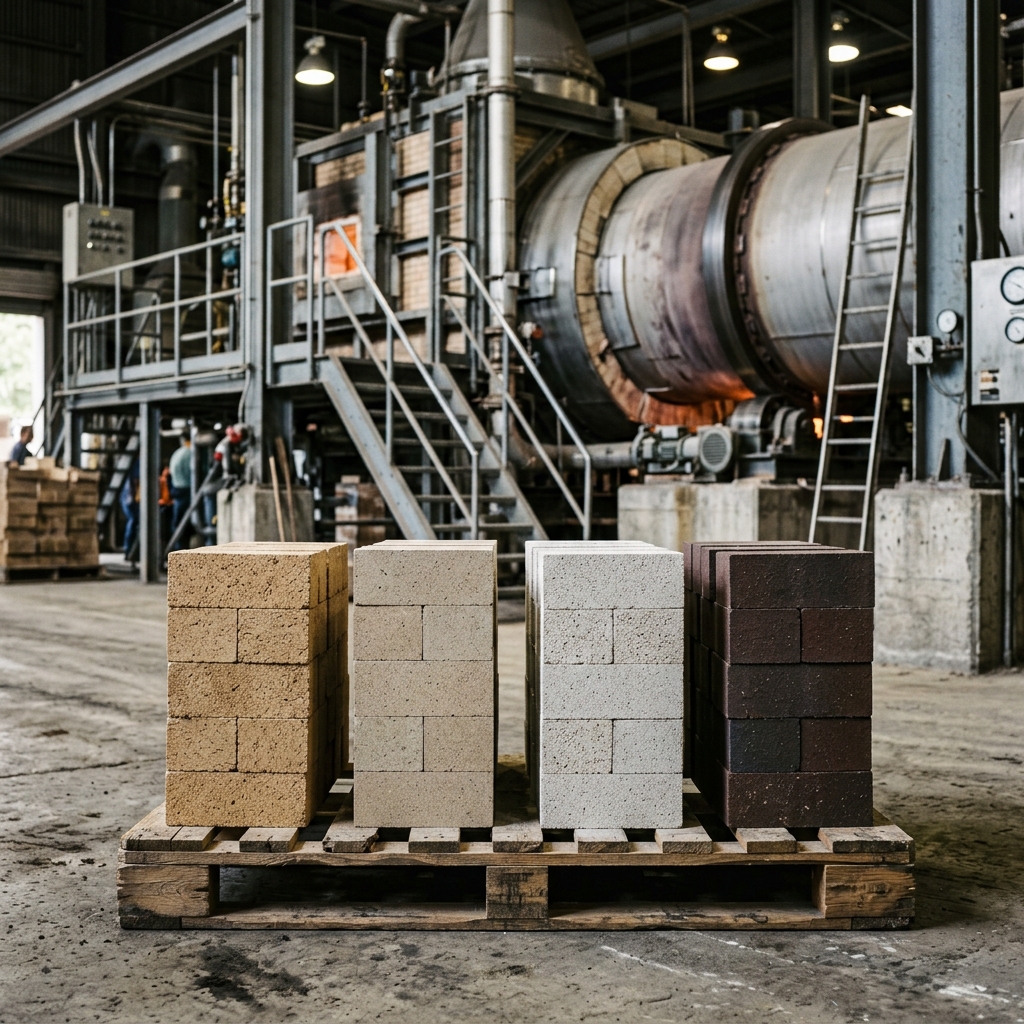
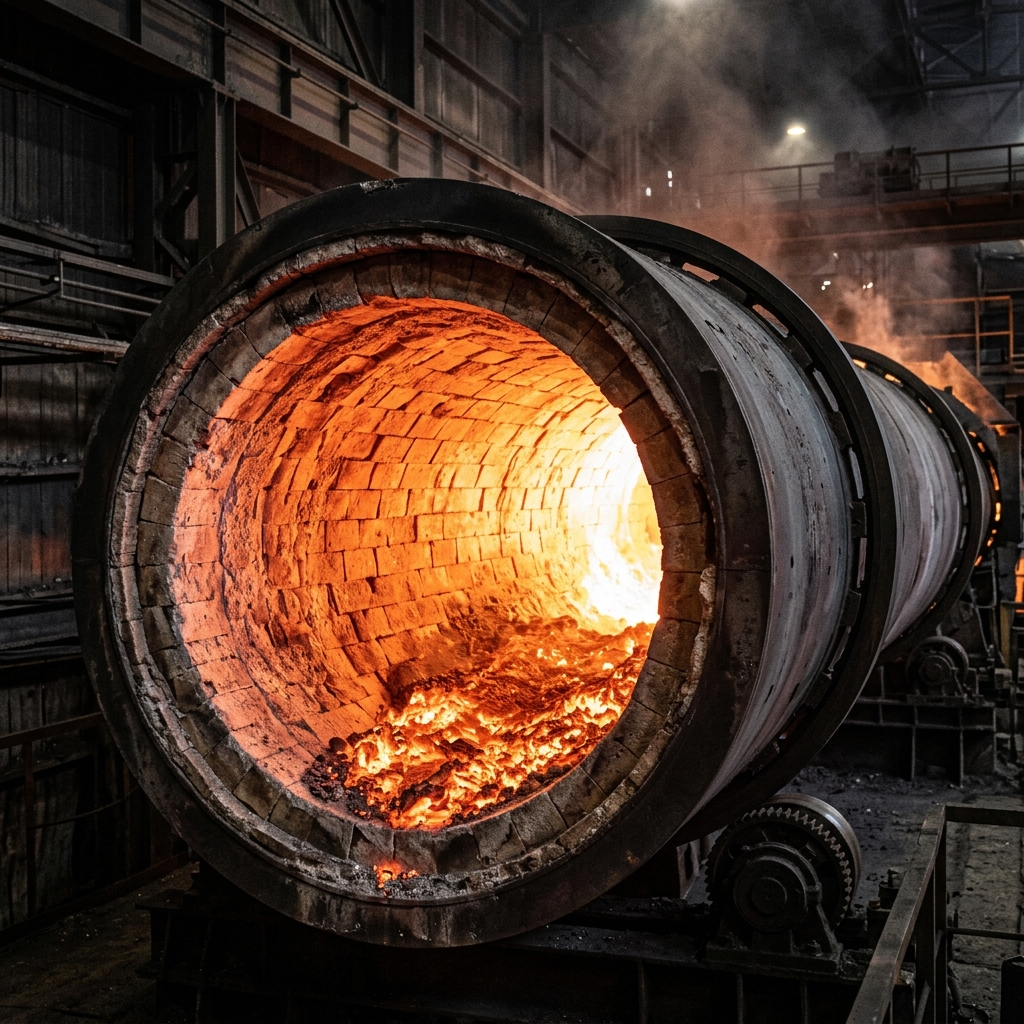
Cement plants: Rotary kilns and clinker coolers rotate constantly. That movement creates a messy combination of friction, shifting weight, and intense heat. Refractory mortar keeps the bricks locked in place so the seams don't crumble mid-run.
Foundries: Holding furnaces and melting pots are cycled on and off constantly. That rapid heating and cooling puts huge stress on the brickwork, but a resilient mortar flexing with those shifts stops the joints from cracking open.
Glass and ceramic plants: Keeping temperatures steady is the only way to avoid ruined batches. Sealing the brickwork with refractory mortar stops hot air from escaping through small gaps, keeping the internal temp completely stable.
Power and petrochemical plants: Boilers, incinerators, and refining heaters run 24/7. Mortar gives those brick walls the physical strength needed to survive years of continuous, high-heat operation.
Key Benefits of Fire Brick Mortar
Even the highest-grade bricks won't save a furnace lining if the seams between them fail. Picking a solid refractory brick mortar gives your equipment the backbone it needs to survive daily abuse while saving you money on fuel and fixes.
Continuous High-Heat Endurance
Standard mortar bakes, cracks, and crumbles away once it hits high temps, but refractory mortar is mixed specifically to take direct flame without breaking a sweat. It keeps its structural grip and structural stability long after regular materials give up and turn back to dust.
Equalized Thermal Movement
Fire bricks swell up when you fire up the equipment and shrink back down as things cool off. A compatible mortar moves right along with the brickwork at the same rate, acting like a shock absorber so the joints don't snap or pop bricks out of line.
Lower Fuel and Operating Bills
Gaps in your brickwork act like tiny chimneys, letting valuable heat bleed out through the furnace walls. This furnace mortar seals up every seam tight, keeping that thermal energy locked inside the chamber so your burners don't have to work overtime to hold temperature.
Long-Term Dependability and Less Downtime
Refractory linings almost always fail at the joints before the bricks themselves wear out. Using the right mortar prevents premature breakdown, keeping you from shutting down operations for emergency patch jobs and extending the life of the entire setup.
How Fire Brick Mortar Improves Furnace Efficiency
Keeping heat where it belongs is the entire point of a good lining, but high-grade bricks can only do so much on their own. The mortar packed between those bricks plays just as big a role in keeping your system running tight and efficient.
When you seal every joint with a solid refractory mortar, you cut off the pathways where heat naturally tries to escape. That tight seal keeps the chamber temperature right where you want it without forcing your burners to work twice as hard or burn through extra fuel.
On top of holding the heat in, the mortar acts like an anchor. It keeps the bricks from shifting or loosening as the furnace heats up and cools down over hundreds of cycles, stopping new gaps from opening up down the road.
Matching your fire brick adhesive to your actual operating conditions simply makes the whole setup work better. You get predictable burn times, lower energy bills, and far fewer surprise shutdowns for spot repairs, which makes a massive difference when you're trying to hit production targets without burning up your budget.
How Fire Brick Mortar Extends Refractory Service Life
A refractory wall usually fails at the joints long before the bricks themselves give out. While the bricks handle the bulk of the thermal load, the mortar is what keeps the entire structure stable over years of constant abuse.
Here is how the right mortar keeps your lining running longer:
- Flexing under stress: Firing up a furnace forces bricks to expand, while shutting down causes them to shrink. A quality mortar absorbs those relentless physical shifts, stopping the seams from cracking open or losing their grip.
- Holding the wall together: Once joints start crumbling, individual bricks begin to shift out of place. Solid mortar joints lock every brick in position, preventing structural collapse and localized hot spots.
- Handling constant shock: Industrial equipment vibrates continuously from fans, burners, and mechanical loads. Mortar cushions those vibrations so the joints don't shake loose or turn to powder mid-run.
- Stretching your repair cycles: Preventing premature seam failure keeps your equipment running smoothly between planned turnarounds. That means fewer surprise shutdowns, lower maintenance bills, and maximum mileage out of your full brick investment.
Factors That Influence Fire Brick Mortar Performance
Buying top-tier mortar doesn't guarantee a long-lasting lining if it isn't matched to your specific operating conditions. A handful of real-world variables decide whether your mortar holds tight for years or fails early:
1. Maximum Operating Temperature
Every mortar formulation comes with a strict heat limit. Running a mortar past its rated maximum breaks down the chemical binders, causing the joint to vitrify improperly, melt, or simply turn back to powder.
2. Brick Compatibility
The mortar needs to match the porosity, density, and chemical makeup of the bricks you're laying. If the expansion rates don't align, the joint will sheer off as the wall heats up.
3. Chemical and Slag Exposure
Fumes, molten slag, acids, and alkalis attack joints aggressively. You need a mortar formulated specifically to resist the exact chemical environment inside your chamber.
4. Thermal Cycling Frequency
Equipment that fires up and shuts down constantly puts way more mechanical stress on mortar joints than equipment running non-stop at a flat temperature.
5. Workmanship and Installation
Even the best product fails if the surface preparation is sloppy, joints are laid too thick, or the initial dry-out and curing schedule is rushed.
Choosing a Reliable Fire Brick Mortar Manufacturer
Great mortar comes down to strict factory floor standards just as much as raw chemistry. When you partner with a solid fire brick mortar manufacturer, you get material that handles identically every single time your crew mixes a batch, with zero unexpected site headaches.
When evaluating potential refractory suppliers, focus on these core factors:
- Real Engineering Support: Look for a supplier whose technical staff actually understands heat mechanics and can recommend a mortar based on your specific equipment profile, rather than someone just reading from a product brochure.
- Rigorous Batch Testing: High-grade suppliers test every lot for grain consistency, shelf life, and raw bonding strength so the material cures reliably out in the field.
- Broad Sector Experience: Manufacturers who serve steel, glass, and petrochem facilities carry deep application knowledge, making them far better equipped to troubleshoot severe wear or thermal shock issues.
- Same Material, Every Single Order: Reliable suppliers keep their raw mixes dead consistent. Your crew won't have to waste time tweaking water ratios or re-learning set times halfway through a critical plant rebuild.
Conclusion
Fire brick mortar isn't just glue for hot bricks; it's what holds your wall together, stops heat loss, and prevents costly unplanned shutdowns across steel, glass, cement, and power plants.
Picking the right formulation keeps your high-heat equipment running safely and efficiently. By matching the mortar to your operating temperatures and partnering with a supplier who knows high-heat systems inside out, you build a lining that stands up to years of continuous abuse.
Ready to protect your lining investment and maximize furnace efficiency? Reach out to our technical team today to find the exact high-temperature refractory mortar engineered for your plant's setup.
Popular Posts