Understanding the Role of Refractory Materials in Modern Foundry Operations
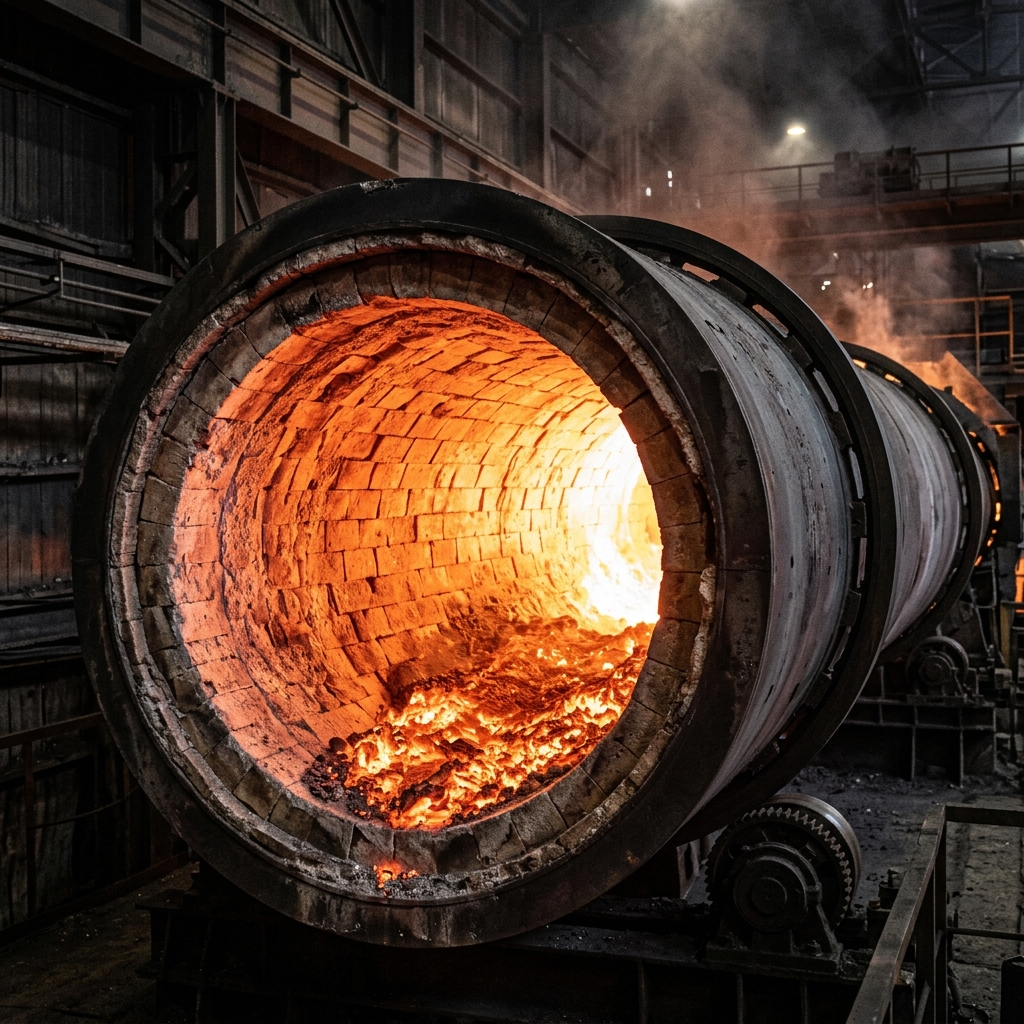
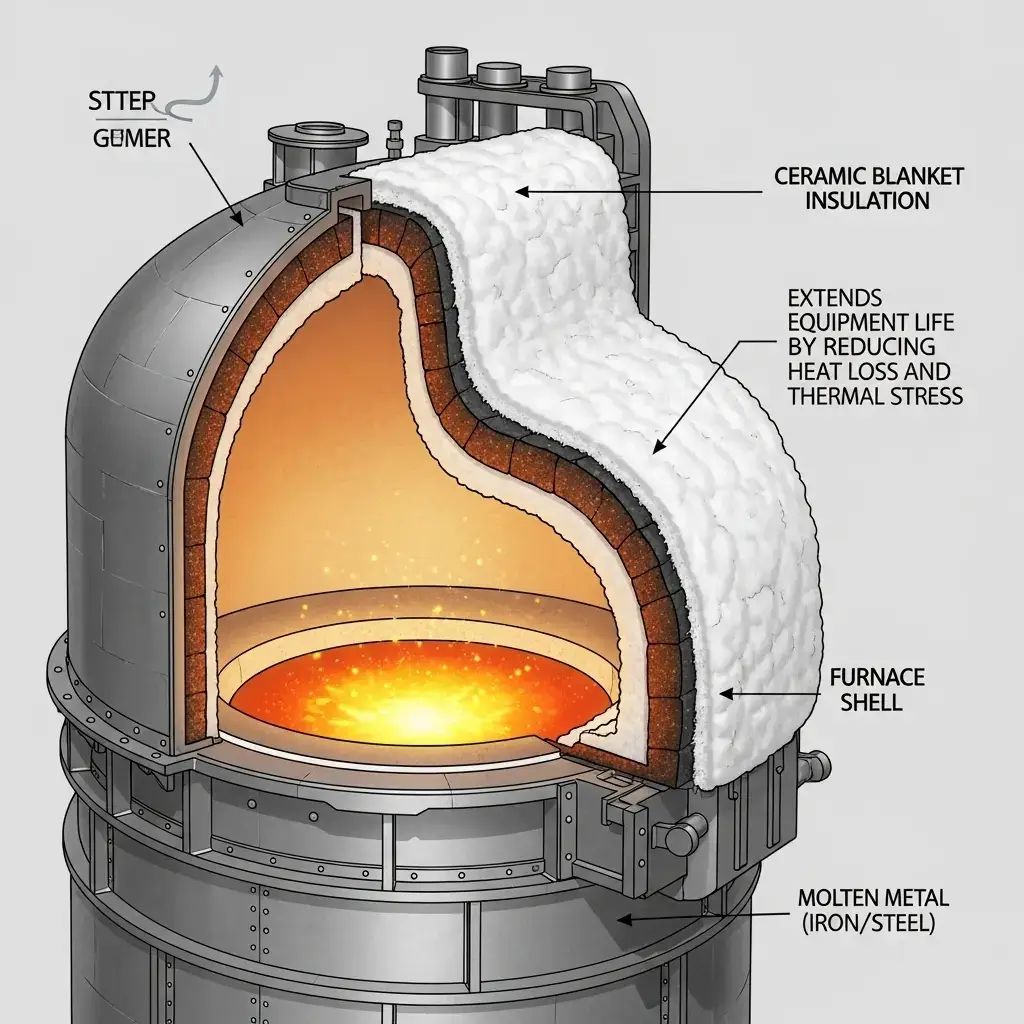
Every successful metal casting begins long before molten metal enters the mould. It starts inside the furnace, where the refractory lining quietly absorbs thermal stress, resists chemical attack, and protects the equipment through repeated production cycles.
A poorly selected lining rarely fails overnight, but it almost always leaves its mark through higher maintenance, heat loss, and unplanned shutdowns.
That is why refractory materials in foundry operations remain as important to production reliability as the furnace itself.
Why Foundries Depend on Refractory Materials
A foundry furnace is only as reliable as the lining behind it. Every melting cycle exposes that lining to molten metal, slag, thermal expansion, and mechanical wear. Over time, those conditions become the real test, not the temperature reading on the control panel.
Every production campaign leaves its mark on the lining, making refractory selection a decision that extends well beyond the installation stage.
How Refractory Materials Support Foundry Operations
Every stage of metal casting places a different demand on the lining. That is why foundry refractory materials are selected according to the process rather than the furnace alone.
Containing Molten Metal
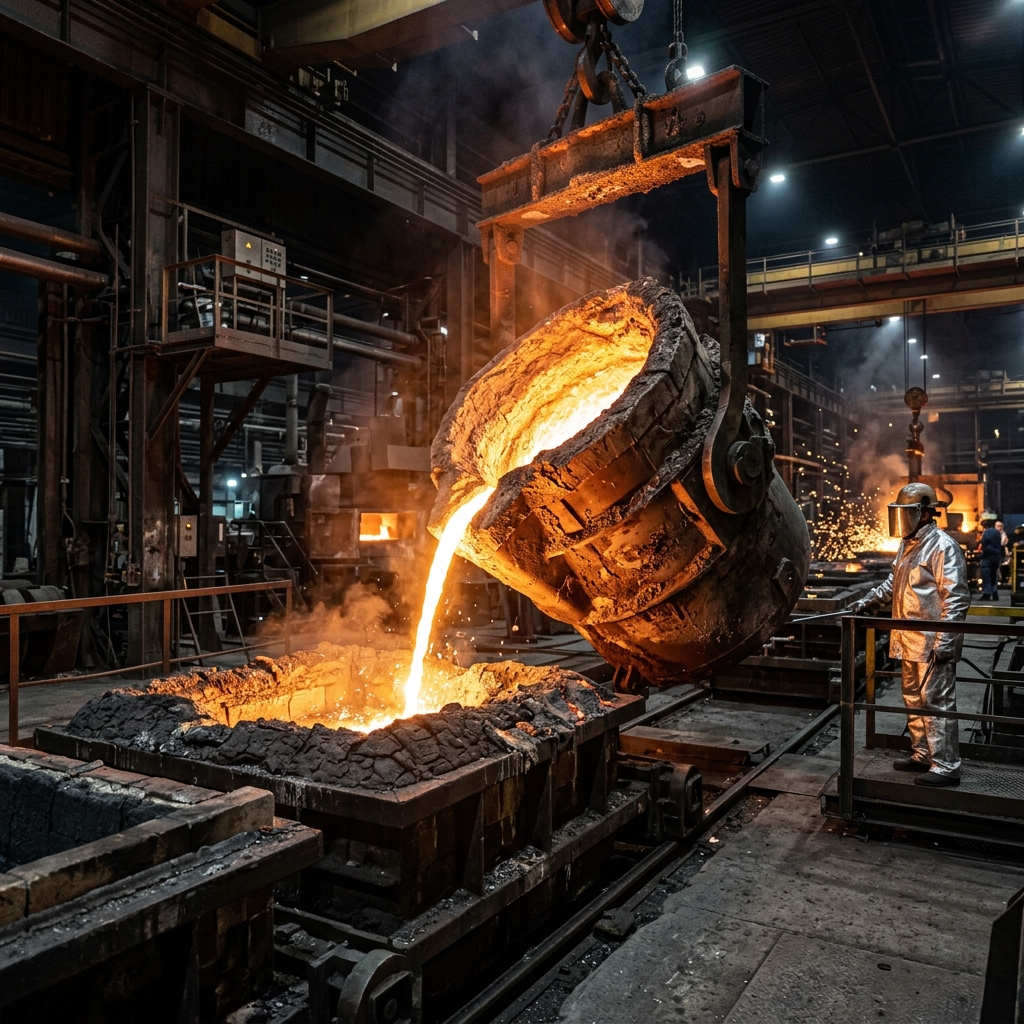
A refractory lining spends its entire service life in direct contact with molten metal and slag. The material must hold its shape without contaminating the melt or losing structural integrity.
Handling Repeated Heating Cycles
Foundry equipment rarely experiences identical operating conditions from one production run to the next. A dependable foundry refractory tolerates repeated heating and cooling without developing premature cracks.
Planned Maintenance Starts with the Lining
Maintenance schedules often follow the condition of the refractory for foundry rather than the furnace itself. A lining that wears as expected is far easier to manage than one that deteriorates unpredictably.
Choosing the Right Refractory for Foundry Applications
There is rarely a universal refractory for every foundry process. A material that performs reliably in one melting unit may prove unsuitable in another. Before specifying a lining, engineers typically weigh several operating conditions together rather than relying on temperature alone.
Match the Process, Not the Product
The same alloy can be produced using different melting systems. Furnace design, fuel source, and production cycle often influence refractory selection as much as the metal itself.
Look Beyond the Temperature Rating
Maximum temperature tells only part of the story. Slag composition, thermal cycling, abrasion, and charging practices usually have a greater impact on lining performance over time.
Think in Campaigns, Not Installations
Experienced foundries evaluate a refractory by its performance across an entire production campaign. A lining that delivers predictable wear is often more valuable than one offering a higher temperature specification.
Types of Refractory Materials Used in Foundries
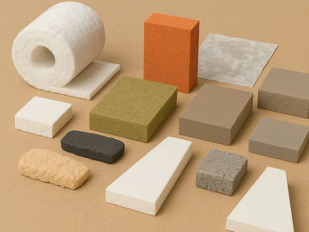
Walk through a foundry and you'll notice that one refractory rarely serves the entire operation. The lining inside an induction furnace isn't expected to perform like the material protecting a pouring ladle or a repair patch applied between production runs. Different jobs call for different refractory materials.
Shaped Refractories
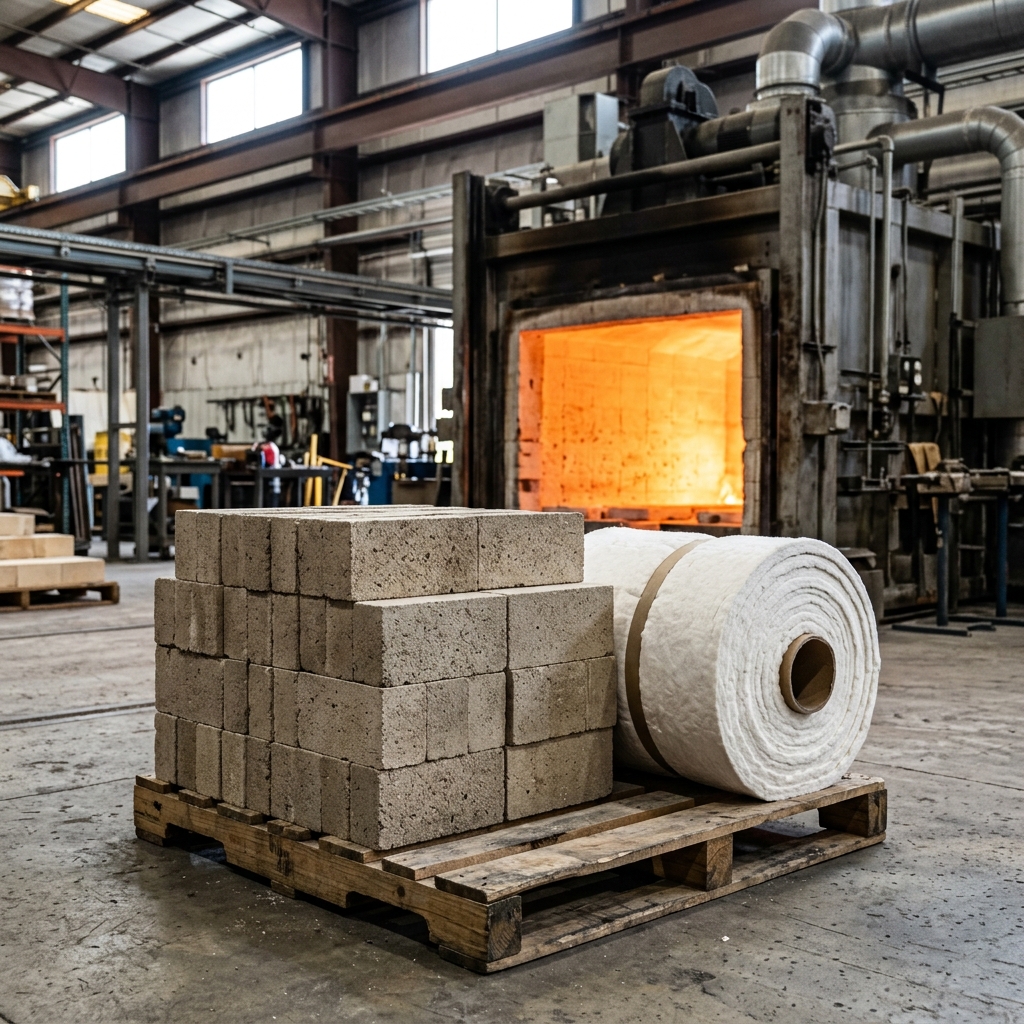
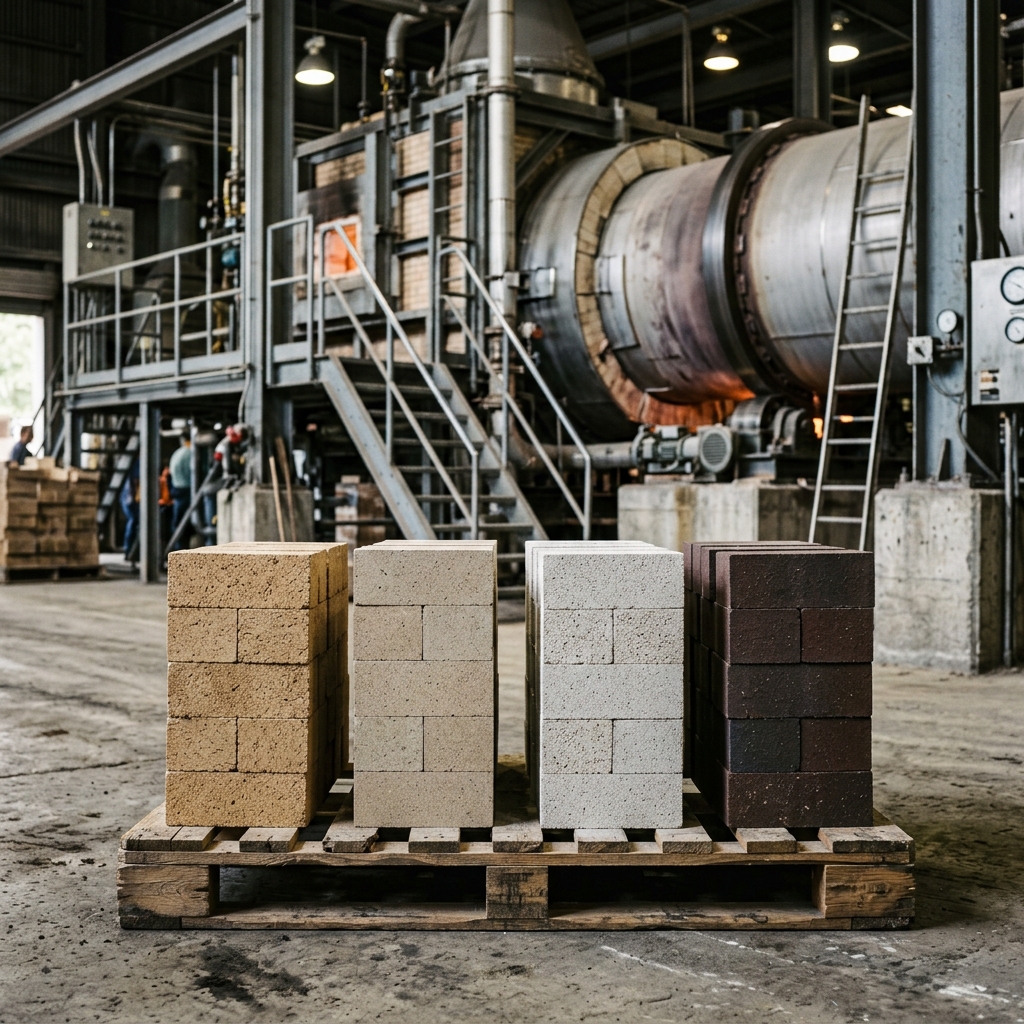
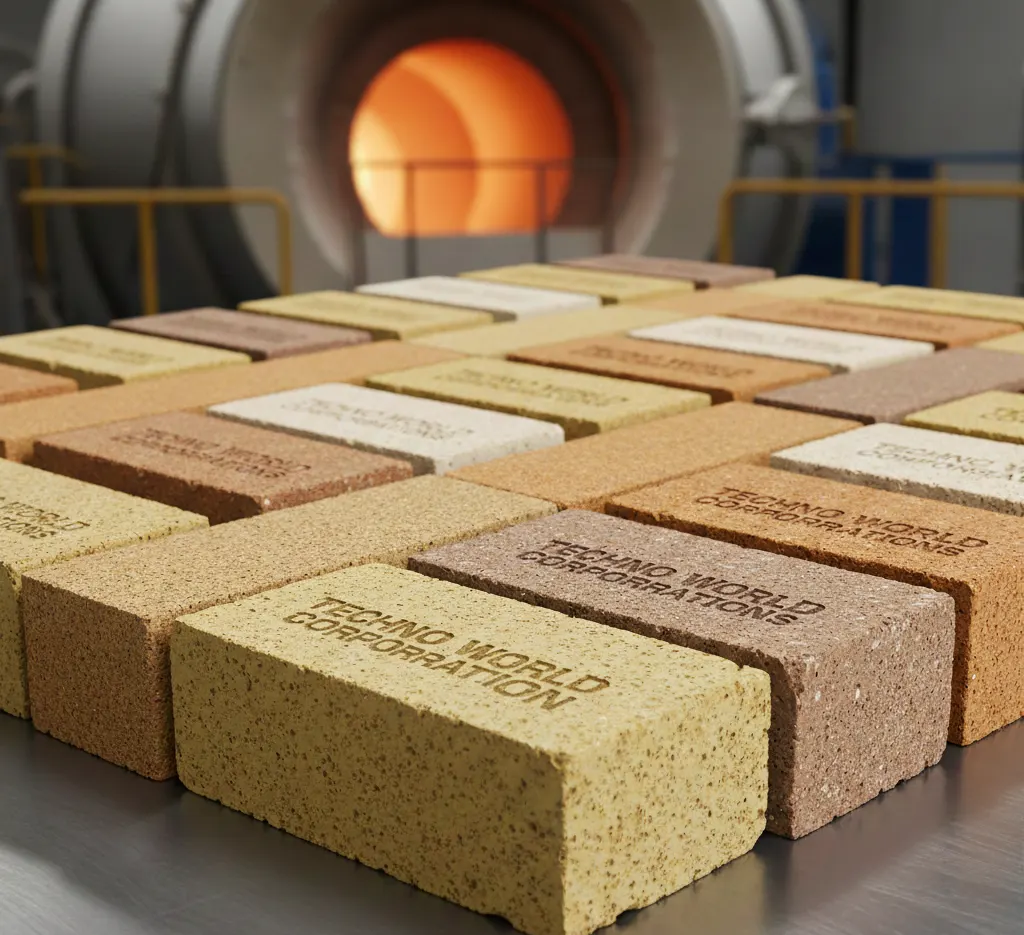
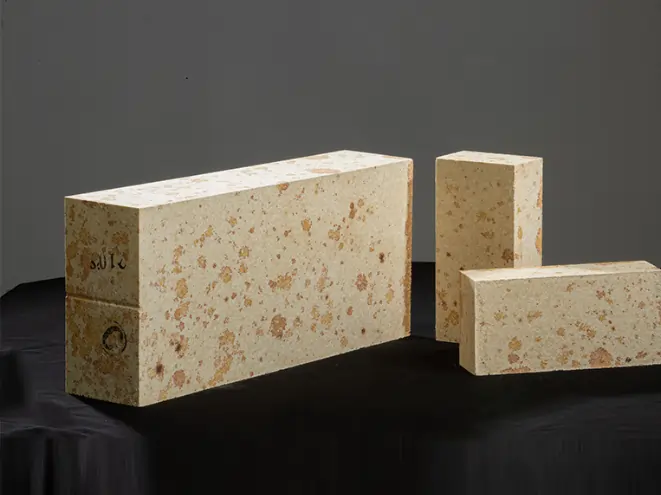
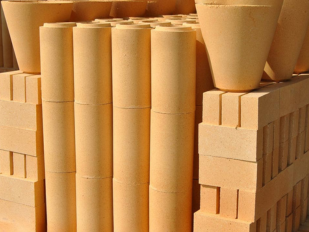
Brick linings continue to be used where structural strength and dimensional accuracy matter. Their predictable installation makes them suitable for furnace walls, roofs, and other permanent high-temperature sections.
Monolithic Refractories
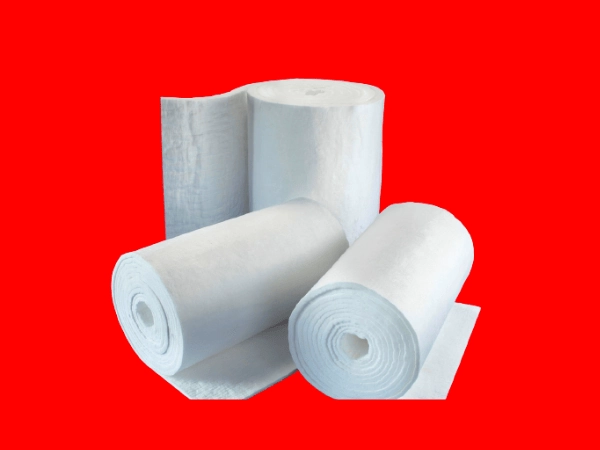
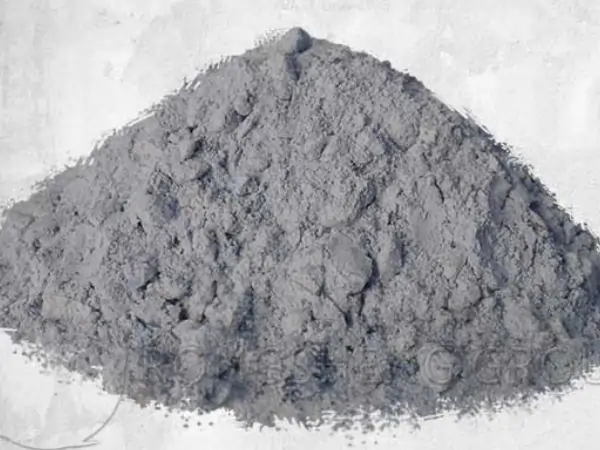
Castables, ramming masses, and plastics have become increasingly common across modern foundries. Since they're installed without individual bricks, they adapt more easily to complex equipment and simplify maintenance work.
Repair Refractories
Not every worn lining is replaced immediately. Gunning mixes, patching compounds, and refractory mortars allow maintenance teams to restore damaged areas between scheduled shutdowns, helping extend the usable life of the existing lining.
Factors That Influence Refractory Performance in Foundries
The same refractory can perform very differently from one foundry to another. Service life depends on daily operating conditions as much as the material itself.
Furnace Operation
Continuous melting, intermittent production, and frequent shutdowns place different thermal demands on the lining. Operating practice often influences refractory life as much as material selection.
Slag Chemistry
The same refractory does not behave the same way in every melt. A change in charge materials or flux additions can alter slag behaviour enough to increase lining wear. Foundries usually consider those process conditions before settling on a refractory grade.
Installation Quality
Even a premium refractory cannot compensate for poor installation. Proper jointing, controlled drying, and recommended heating procedures allow the lining to perform as intended from the first production cycle.
Challenges Refractory Materials Must Withstand in Foundry Operations
Foundry conditions rarely stay constant for long. Even when the furnace and refractory remain unchanged, day-to-day production can place very different demands on the lining.
- No two melts are identical. Changes in scrap quality, alloy composition, or flux additions can create a different environment inside the furnace than the previous production run.
- The hottest area isn't always the fastest to wear. Slag lines, charging points, and tapping zones often show damage earlier because they're exposed to more than just heat.
- Operating practices leave a lasting impact. Holding molten metal longer than usual or changing production schedules can gradually influence lining wear over multiple campaigns.
- Maintenance tells part of the story. Uneven wear patterns often reveal how the furnace has been operated, making inspections valuable beyond simply planning repairs.
- Every foundry develops its own wear pattern. Two facilities producing the same casting may replace refractories at completely different intervals because their operating conditions are rarely identical.
Final Thoughts
Refractory performance is measured over months of production, not during installation. A lining that continues to perform under everyday foundry conditions often proves its value long before replacement is due.
Understanding the role of refractory materials and selecting them with the process in mind, helps build a more dependable melting operation, one production campaign at a time.
Are you looking for dependable refractory solutions? Techno World Corporation supplies quality refractory materials backed by industry experience to support reliable, high-temperature foundry and industrial operations.
Popular Posts