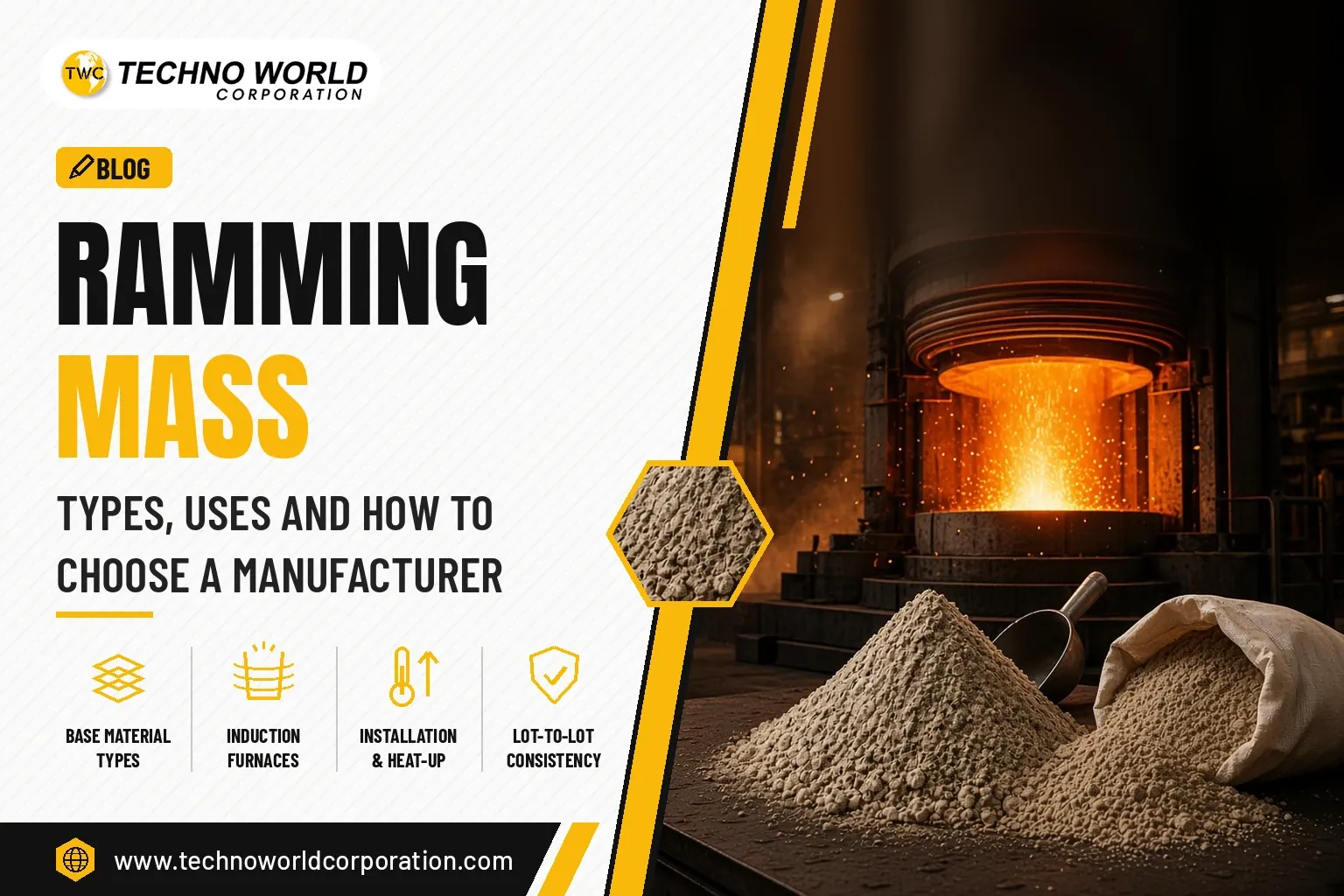
Ramming Mass: Types, Uses and How to Choose a Manufacturer
A furnace lining that ends its campaign early rarely fails because of a single dramatic event. More often, it stems from a cumulative series of minor oversights: selecting a refractory mix incompatible with the specific metal grade, improper installation density, or accelerating the initial heat-up cycle. Many of these operational risks can be traced back to the initial choice of supplier. Selecting the reliable one from many ramming mass manufacturers directly impacts operational safety, thermal efficiency, and overall campaign life in induction furnaces.
This comprehensive guide breaks down the core fundamentals of ramming mass, compares the primary material types, including acidic, basic, and neutral linings, and highlights key industrial applications. Finally, it outlines the critical technical questions and quality control standards buyers must evaluate before committing to a refractory manufacturing partner.
What Ramming Mass Is
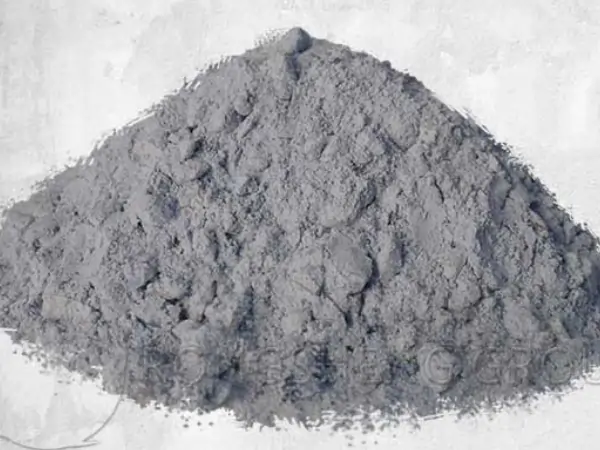
Ramming mass is a loose, granular refractory supplied ready to use. You pack it into place, by ramming or vibrating it, and it forms a continuous lining with no brick joints. When the furnace is heated, the inner face sinters into a hard working surface while the layers behind stay looser.
That seamless quality is why foundries and steel plants like it for vessels that hold molten metal. There are no joints for metal to creep into. The trade-off is that the result depends heavily on how it’s installed.
Types by Base Material
The base material determines how a ramming mass behaves against your specific molten metal and slag chemistry, making this the critical starting point for selection:
Silica-Based Ramming Mass
A widely used, cost-effective choice for many coreless induction furnace linings, particularly in iron and mild steel melting. Explore our dedicated silica ramming mass page to view full specifications.
Alumina-Based Ramming Mass
Often selected for applications involving higher thermal stress, specialized metal grades, or aggressive chemical environments requiring enhanced erosion resistance.
Magnesia-Based Ramming Mass
Typically deployed in basic melting conditions, providing strong resistance against basic slag erosion in high-temperature steelmaking operations.
Rather than treating material profiles as a rigid selection chart, evaluate how a specific lining interacts with your exact operating conditions. The ideal choice depends entirely on the metal grades you melt, your slag composition, and daily temperature cycles. Always ask a prospective manufacturer to explain the precise technical match for your furnace and explicitly state which formulations they would advise against for your application.
Where It Gets Used
Induction furnaces are the headline application. The working lining between the coil and the molten metal is often rammed in, and its condition affects safety as much as output. Ladles are another, where a rammed layer can form or support the working surface. Other hot vessels that handle metal sometimes use ramming mass for repairs or patches too. In each case the lining sits where heat, metal and wear meet.
Installation Counts as Much as the Material
A strong product can still fail if it’s handled badly. Pay attention to how evenly the mass is spread and compacted, how it’s laid in layers, whether a former is used and whether the mass has stayed dry before use. Then comes the first heating, where the lining has to be brought up gradually so it sinters properly.
Every maker has its own recommended procedure. Ask for it, read it, and make sure the crew actually follows it. Many early lining failures trace back to skipped steps, not bad material.
How to Choose Among Ramming Mass Manufacturers
A few questions separate dependable makers from the rest:
- What base material do you recommend for my melt, and why?
- What’s your recommended installation and heating procedure?
- How do you keep the product consistent from lot to lot?
- Will someone support us during the first lining?
- How is the mass packed to keep moisture out?
- What technical information can you give on request?
Notice how they answer. Specific, practical replies usually come from people who know the product in service. Be wary of any maker who recommends the same product for every furnace.
A Practical Way to Trial a Supplier
Start with one furnace or one lining, and keep records: how it was installed, how the first heat-up went, how the lining wore and when it was relined. Share those notes with the manufacturer and ask what they conclude. A good partner will use the data to refine advice for your next lining. Compare the second lining against the first before you commit more volume.
Before You Write to Anyone
Gathering essential operational details before contacting refractory suppliers prevents back-and-forth emails and ensures you receive accurate technical recommendations and quotes right away. Have these ready:
- The metal you melt and the furnace type: Dictates the chemical compatibility, thermal demands, and physical characteristics required of the lining.
- The lining area or quantity you expect to need: Allows the manufacturer to calculate exact batch sizes and material lead times.
- The problems you’ve had with your current lining: Helps engineers pinpoint premature wear, slag attack, or thermal shock issues to offer a better formulation.
- The delivery location and your timeline: Ensures accurate freight costing, vessel scheduling, and on-time arrival at your plant.
Providing this complete operational profile upfront enables the manufacturer’s technical team to match you with the right refractory grade, offer precise pricing, and establish realistic delivery expectations from the very first interaction.
Talk to Techno World Corporation
Choosing the right refractory lining requires a precise balance of furnace dynamics, operational temperature, and metal chemistry.
At Techno World Corporation, our technical team works directly with foundry and steel mill operators to match refractory formulations to specific campaign demands. Whether you need to resolve premature wear or optimize thermal performance, we provide tailored material recommendations engineered for maximum furnace life.
To discuss your specific lining requirement and receive an actionable technical proposal, share your furnace parameters, melt capacity, and operational timeline through our website contact page today.
Popular Posts

Looking for a Reliable Refractory Supplier?
Tell us your application and we will recommend the right material and share specifications and pricing.
Request a Quote