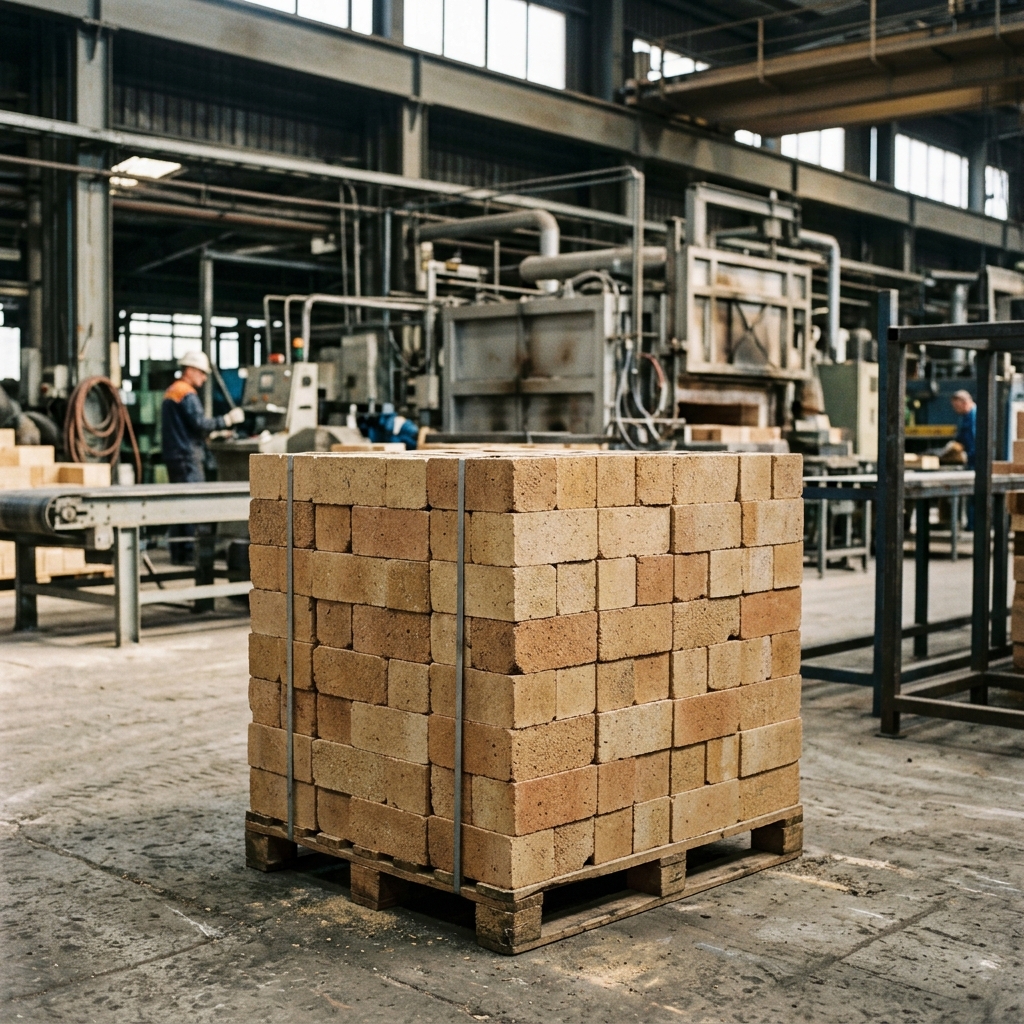
Refractory Brick vs Fire Brick: What’s the Real Difference
Fire bricks and refractory bricks are not the same thing.
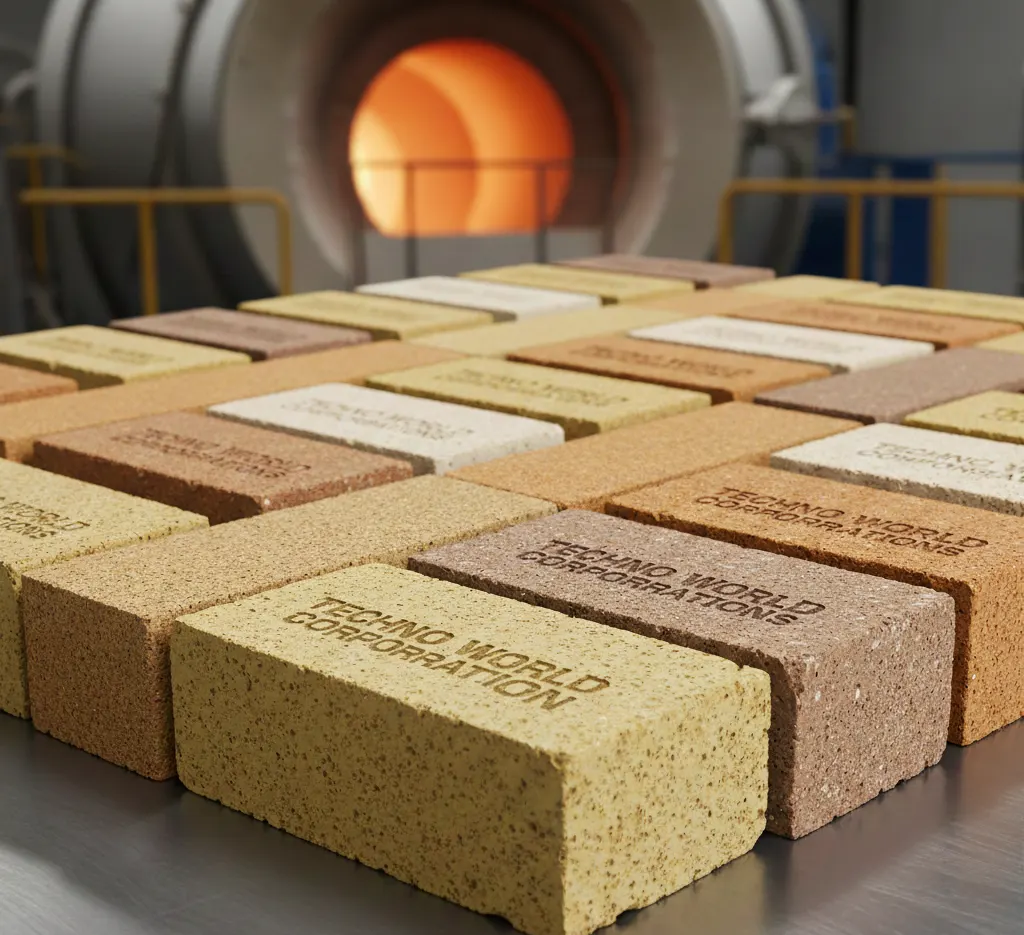
A fire brick is a type of refractory brick — but not every refractory brick qualifies as a fire brick. That distinction becomes important once operating temperatures, chemical exposure, and mechanical stress start increasing inside industrial systems.
The biggest difference comes down to:
- Composition
- Temperature tolerance
- Density
- Application environment
Fire bricks are commonly used in fireplaces, pizza ovens, and small kilns. Refractory bricks are engineered for industrial furnace conditions where temperatures can exceed 1,700°C alongside slag attack, abrasion, and thermal cycling.
Quick Comparison: Fire Brick vs. Refractory Brick
| Property | Fire Brick | Refractory Brick |
|---|---|---|
| Primary Use | Residential & light commercial heat systems | Heavy industrial thermal systems |
| Temperature Resistance | ~1,400°C–1,600°C | 1,700°C+ |
| Composition | Fireclay, silica, & alumina | High alumina, magnesite, zirconia, & silica blends |
| Density | More porous and lightweight | Dense and mechanically stronger |
| Thermal Shock Resistance | Moderate | High |
| Chemical Resistance | Limited | Designed for corrosive environments |
| Typical Applications | Fireplaces, ovens, & kilns | Steel plants, cement kilns, & glass furnaces |
Fire Brick: Designed for Moderate Heat Retention
Fire bricks are engineered firstly from fireclay containing silica and alumina. Their main role is heat containment and insulation rather than extreme industrial durability.
That makes them suitable for:
- Wood-fired ovens
- Fireplaces
- Pottery kilns
- BBQ chambers
Most standard fire bricks operate effectively up to around 1,500°C. Beyond that range, structural reliability starts becoming inconsistent under continuous industrial exposure.
"Good insulation. Limited industrial endurance."
Businesses searching for a trustworthy fire bricks exporter should always verify alumina percentage, density rating, and thermal shock resistance before selecting materials for continuous heat applications.
Refractory Brick: Built for Industrial Furnace Conditions
Refractory bricks are engineered to survive aggressive thermal environments. Not just heat. They are designed to resist molten material exposure, chemical corrosion, thermal shock, abrasive wear, and continuous thermal cycling.
Their mineral composition changes depending on furnace conditions. For example, high-alumina refractory bricks improve load resistance under elevated temperatures, magnesite refractories handle basic slags in steelmaking, silica refractories perform better in acidic furnace environments, and zirconia refractories are used where thermal stability becomes non-negotiable.
This is why refractory bricks are used in:
- Blast furnaces
- Cement kilns
- Petrochemical reactors
- Steel ladles
- Glass manufacturing systems
A professional fire bricks exporter usually supplies multiple refractory grades depending on industry requirements, operating temperatures, and process chemistry.
The Real Difference Is Operational Stress
Temperature ratings alone do not tell the full story. A residential oven and a steel furnace may both generate high heat, but industrial systems introduce:
- Pressure
- Chemical attack
- Thermal expansion stress
- Mechanical abrasion
Fire bricks are not engineered for that level of punishment. Refractory bricks are.
That is why dense refractory materials last significantly longer inside heavy industrial environments where furnace shutdowns directly impact production schedules and operating costs.
Partner With Techno World Corporation for Durable Refractory Solutions
Need reliable refractory solutions for demanding thermal environments?
Techno World Corporation delivers high-performance fire bricks and industrial refractory materials engineered for durability, thermal stability, and long operational life. Whether you want to buy fire bricks online or discuss custom refractory requirements, our team can help you choose the right solution for furnaces, kilns, and other high-temperature applications.
Popular Posts