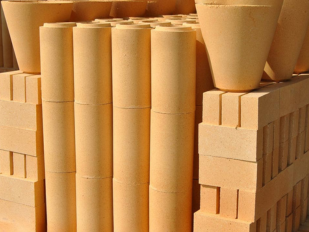
Benefits of High Alumina Bricks in Industrial Furnaces
Every furnace lining has a point where ordinary refractory materials stop being the right answer. Higher process temperatures, heavier production demands, and longer operating campaigns gradually expose the limits of standard linings, especially in the most demanding sections of the furnace.
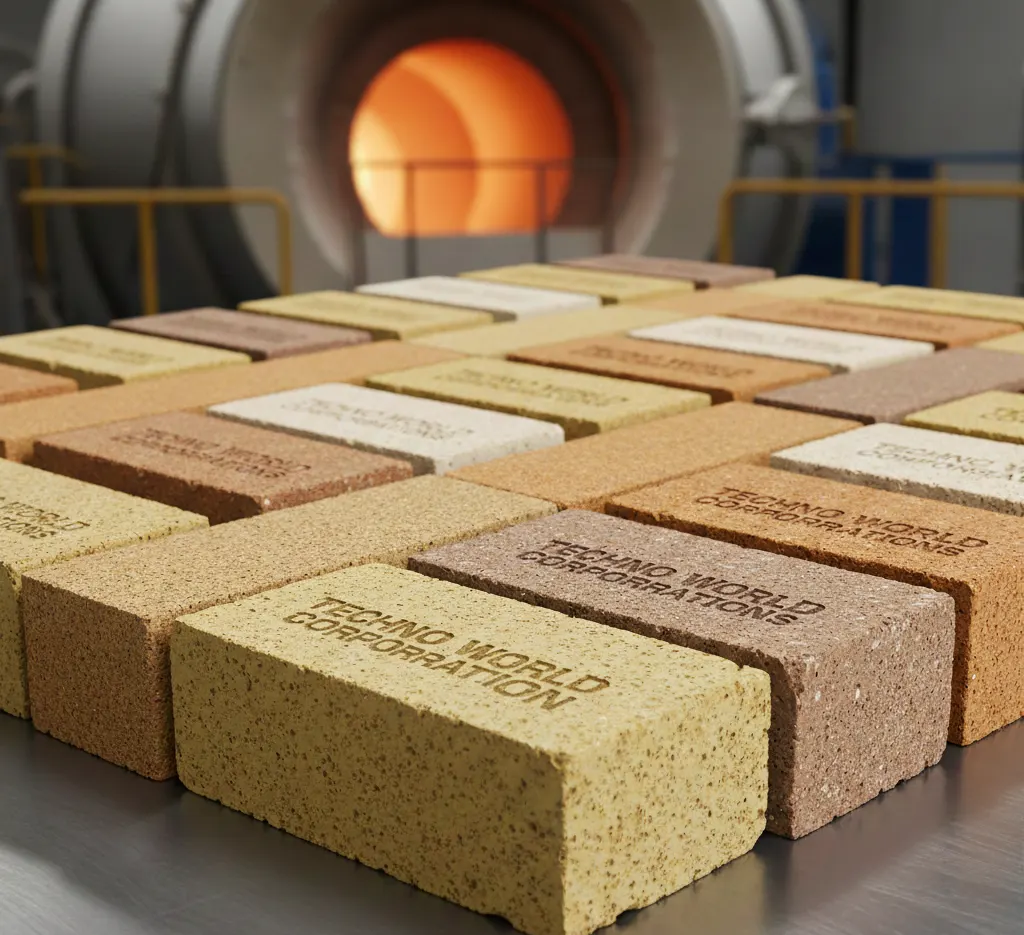
That's where high alumina bricks have earned their reputation. Plants don't specify them because they're different on paper, they specify them because they've repeatedly delivered dependable performance under conditions that leave little margin for error.
From thermal stability to longer service life, the advantages become clear where furnace reliability directly influences production. In this post, we’ll explore the key benefits of high alumina bricks in high-temperature industries.
Why Standard Refractories Aren't Always Enough
Furnace temperatures don't always tell the whole story. Two units operating at similar temperatures can place completely different demands on a lining because production rates, material movement, and process conditions are rarely identical.
That's one reason high alumina refractory bricks are often introduced into the most demanding furnace zones instead of throughout the entire installation.
TTheir advantage isn't based on a single property. It comes from their ability to continue performing where heat, mechanical loading, and process conditions combine over long operating campaigns.
For many plants, that added reliability is the reason they become the preferred choice rather than simply an alternative refractory.
Core Performance Benefits of High Alumina Bricks in Industrial Furnaces
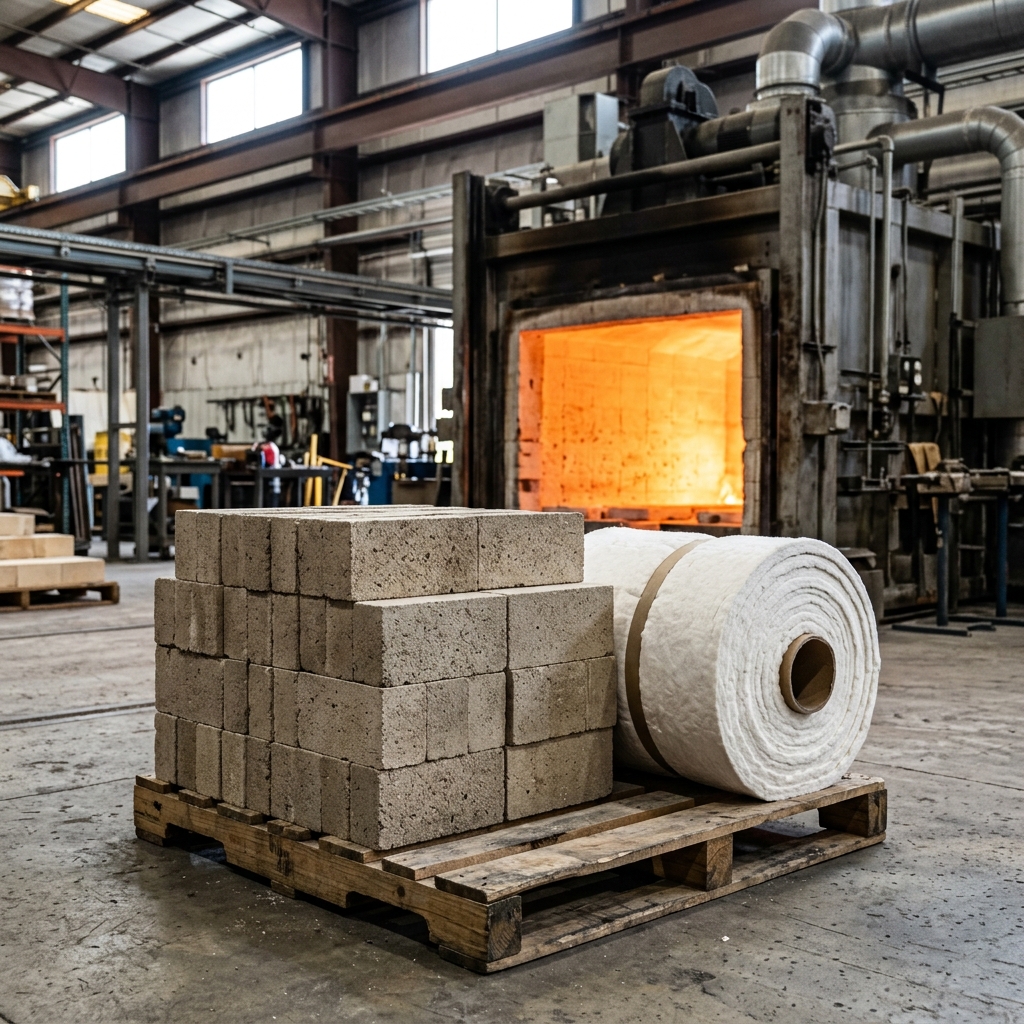
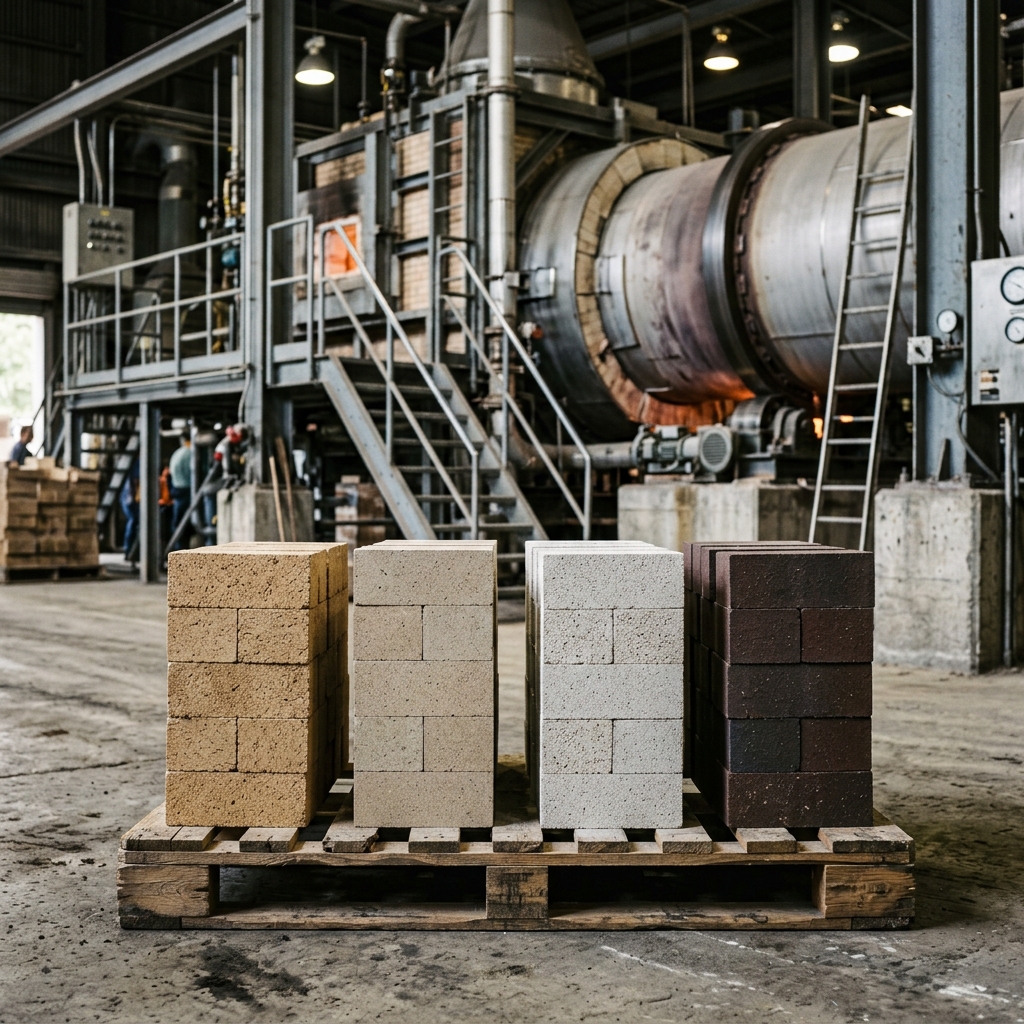
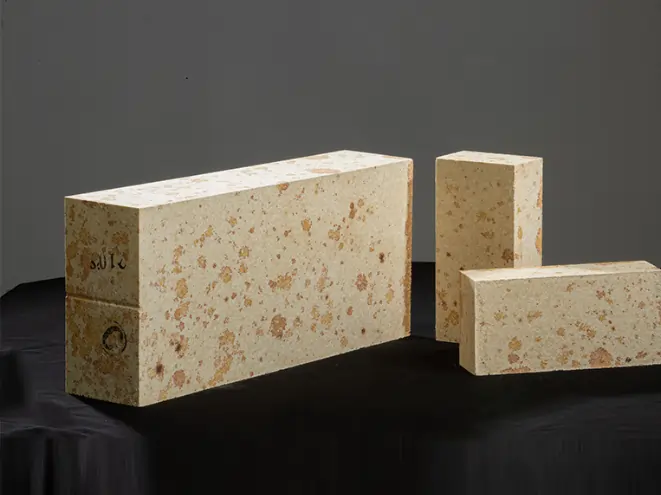
High alumina bricks in industrial furnaces are widely used for their exceptional properties and long-term applications. The core performance advantages of these high-grade bricks include:
Superior Thermal Resistance
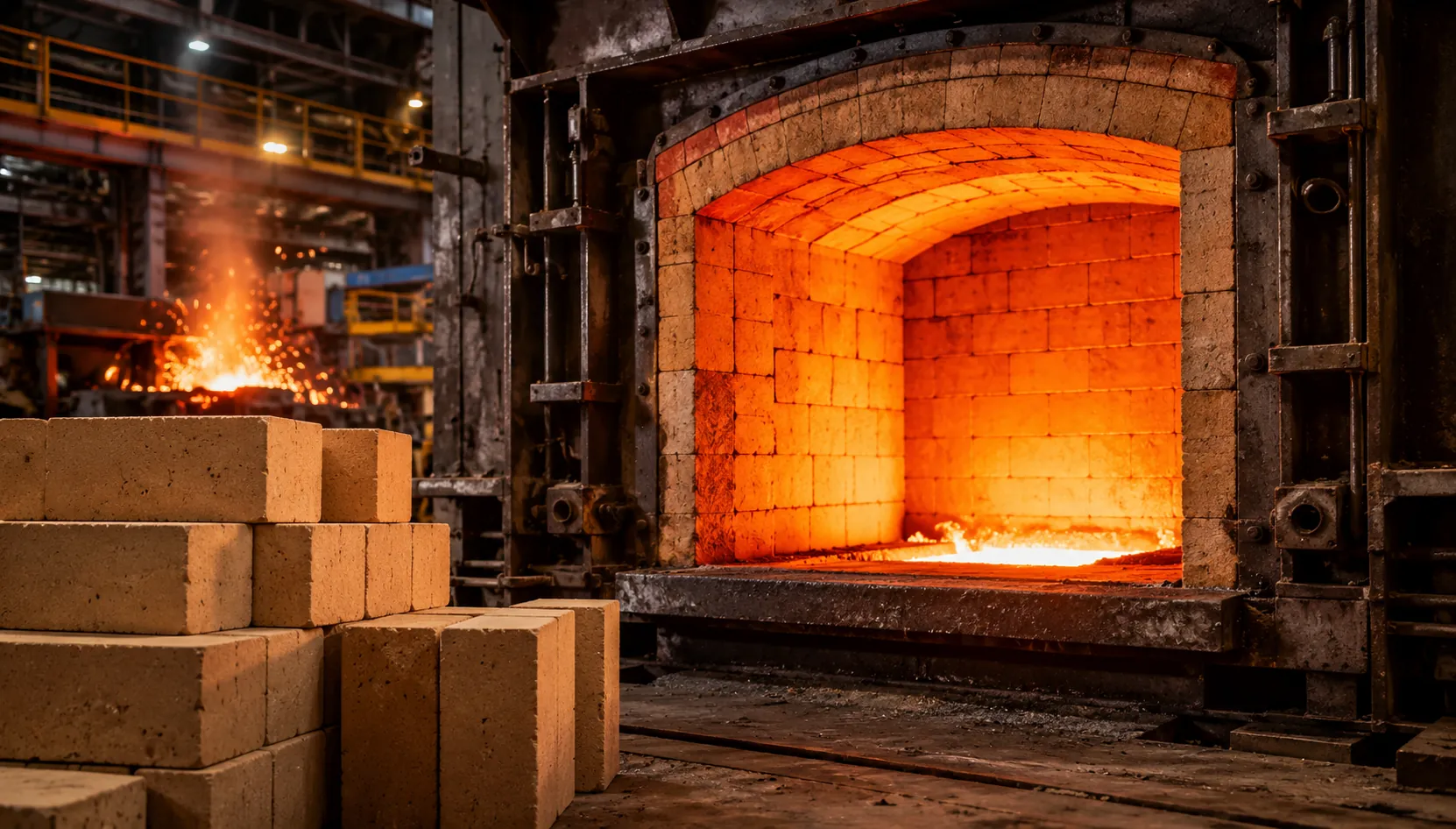
Furnaces don't operate at peak temperature for a few minutes—they stay there for hours, sometimes days. That's where high-temperature refractory materials are expected to prove themselves. High alumina bricks hold their shape and strength through prolonged heat exposure, helping the lining remain dependable throughout extended production campaigns instead of gradually losing stability.
Extended Mechanical Durability
A furnace lining is under constant pressure from moving material, charging operations, and everyday production. Those conditions slowly wear away weaker refractories. High alumina bricks are widely used where that gradual wear becomes a maintenance concern, allowing operators to keep the lining in service for longer before major repairs become necessary.
Advanced Resistance to Chemical Attack
Many furnace environments are just as aggressive chemically as they are thermally. Slag, vapours, and process residues can steadily attack the lining, even when temperatures remain within design limits. High alumina bricks resist this type of deterioration more effectively, helping preserve lining conditions in processes where chemical exposure is unavoidable.
High Structural Stability
Some sections of a furnace carry continuous weight while operating under intense heat. In those areas, maintaining shape is just as important as resisting temperature. High alumina bricks provide the structural stability needed to keep critical furnace sections properly supported throughout long operating cycles.
High Structural Stability
Some sections of a furnace carry continuous weight while operating under intense heat. In those areas, maintaining shape is just as important as resisting temperature. High alumina bricks provide the structural stability needed to keep critical furnace sections properly supported throughout long operating cycles.
Better Thermal Efficiency
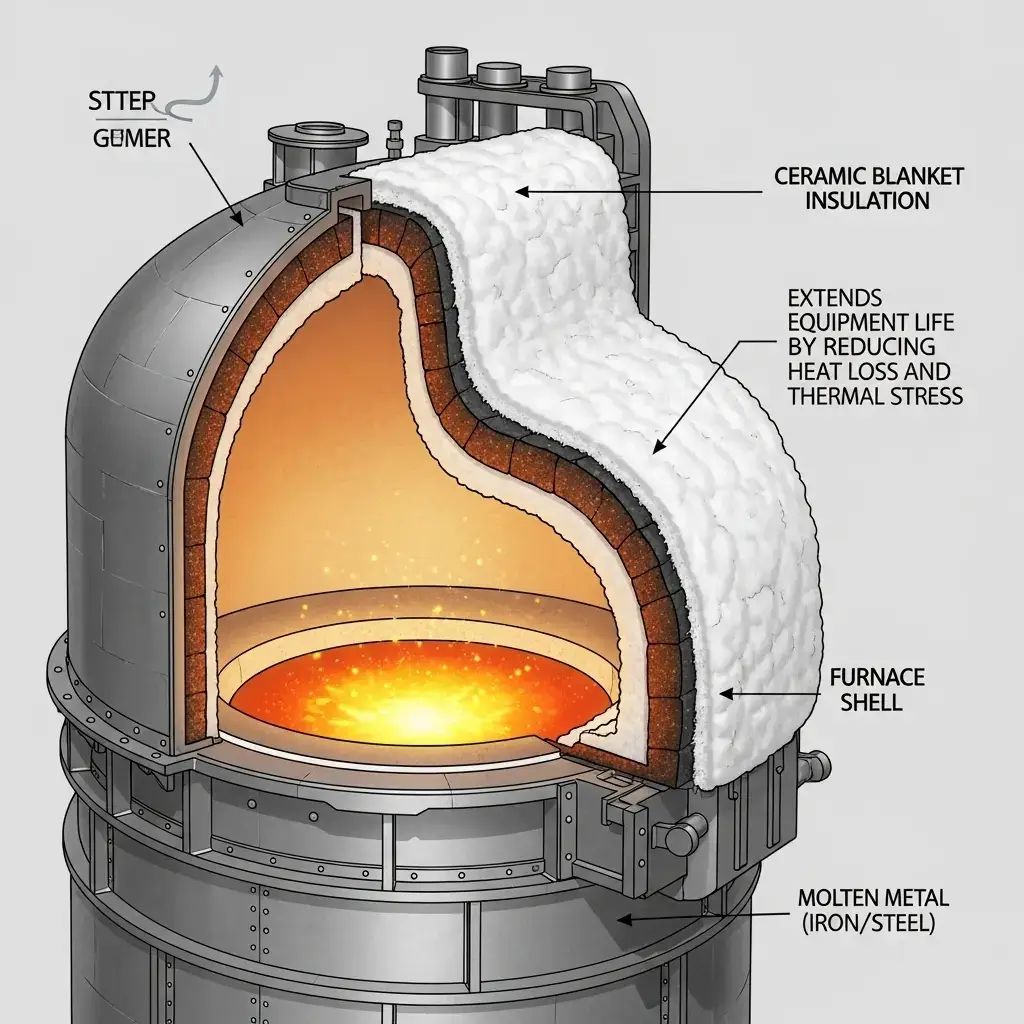
Every degree of unnecessary heat loss has to be replaced with additional fuel. A stable refractory lining helps retain more heat inside the furnace, supporting consistent operating temperatures and reducing avoidable energy losses during continuous production.
Where High Alumina Bricks Prove Their Value
High alumina bricks are rarely selected because they're available; they're selected because certain furnace sections repeatedly demand more from the lining than conventional refractories can comfortably provide. Those areas usually become obvious after a few production campaigns, when maintenance records begin to show the same pattern of wear.
You'll commonly find them in applications such as:
- Steel furnaces: Working zones around the hottest part of the process are expected to withstand continuous exposure to molten metal, charging operations, and demanding production schedules. Maintaining lining stability here has a direct impact on planned campaign life.
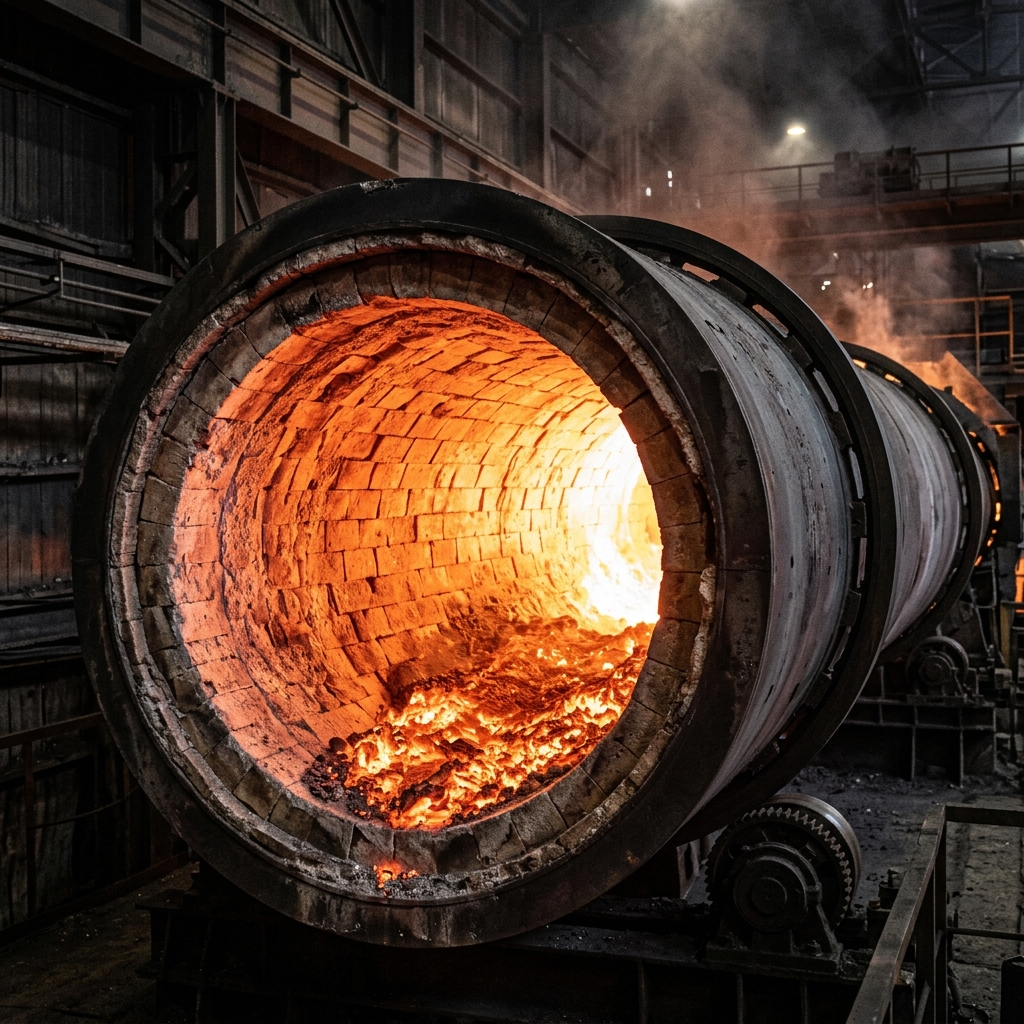
- Cement kilns: Maintenance teams often pay close attention to the burning and transition zones during shutdowns. Those sections deal with a combination of heat, clinker movement, and abrasion that can shorten lining life if the refractory isn't suited to the duty.
- Glass furnaces: These furnaces are built to remain in operation for long periods. Once production is underway, the expectation is to ensure the lining remains stable without becoming a reason for an unexpected interruption.
- Foundries: Daily operating conditions change constantly. Charging, tapping, and repeated heating cycles place different demands on the refractory than a continuous-process furnace, making material durability an important consideration during lining selection.
The common factor isn't the industry itself. It's the operating conditions that place sustained demands on the industrial furnace bricks over time.
Choosing the Right High Alumina Brick Manufacturer
Selecting a high alumina brick manufacturer usually involves more than comparing product catalogues. For most buyers, the real question is whether the supplier can deliver the same quality every time an order is placed. Even small variations between production batches can affect lining performance once the furnace returns to service.
That is why procurement teams often look beyond specifications. Manufacturing consistency, documented quality checks, application knowledge, and the ability to recommend suitable industrial refractory solutions all become part of the evaluation. A reliable manufacturer doesn't simply supply refractory bricks they help reduce uncertainty before the installation begins.
The Right Refractory Pays for Itself in Performance
Most furnace linings don't reveal whether the right decision was made until production has been running for some time.
A lining that continues to perform through demanding operating conditions is usually the result of careful material selection rather than good fortune.
If you're planning a new installation or reviewing an existing one, Techno World Corporation can help you choose high alumina bricks that fit your process, not just your specification.
Popular Posts