Understanding High Alumina Cement: Definition, Properties, and Uses
Heat changes the behaviour of most construction materials. Concrete weakens, ordinary cement loses strength, and repair work becomes a recurring part of plant maintenance.
Industrial environments demand a binder that continues to perform when those conditions become routine rather than exceptional. High Alumina Cement has earned its place in refractory construction for that reason. Found in furnace linings, kilns, incinerators, and other high-temperature installations, this type of cement is preferred for the way it performs in service rather than for conventional construction work.
Let’s understand what high alumina cement actually is, its key properties, and applications in detail in this post.
What Is High Alumina Cement?
The name often leads people to think it is simply another cement with a higher aluminium content. To truly understand what is high alumina cement, it helps to look at its development for applications where ordinary cement no longer delivers reliable performance.
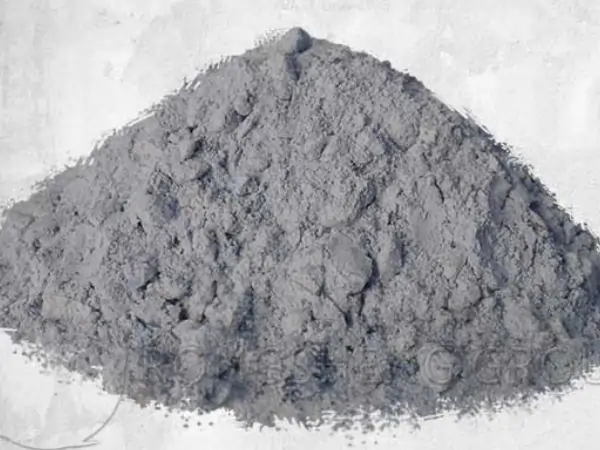
Its raw materials are primarily bauxite and limestone, which produce calcium aluminate compounds instead of the calcium silicates found in ordinary cement. That distinction is one reason it remains closely associated with refractory construction.
How High Alumina Cement Performs Under Demanding Conditions
The performance of a cement cannot be judged while it's still in the bag. Its real value becomes apparent after the first firing cycle, when heat, load, and operating conditions begin testing every part of the refractory lining. That's where high alumina cement separates itself from conventional binders.
Early Strength Development
One of the first things users notice is how quickly the material gains strength. That shorter waiting period can be valuable during refractory installation, maintenance work, and planned shutdowns where every hour counts.
Performance Under Heat
Heat gradually weakens many cement-based materials, but refractory cement is expected to remain part of the structure long after temperatures begin to rise. That difference explains its continued use in furnaces, kilns, and incinerators.
Resistance to Aggressive Environments
Industrial equipment isn't exposed to heat alone. Dust, abrasion, process gases, and chemical compounds all become part of the operating environment, making material selection a practical decision rather than a routine specification.
Properties That Make High Alumina Cement Stand Out
Technical specifications tell only part of the story. What keeps HAC cement in regular use is how it responds once a refractory lining is exposed to demanding operating conditions.
Rapid Strength Development
Unlike many conventional binders, high alumina cement develops usable strength relatively quickly. That shorter waiting period has made it a familiar material during refractory repairs carried out within limited maintenance windows.
High-Temperature Stability
Many binders perform well until temperatures begin climbing. Refractory cement is chosen because the environments it serves were never expected to stay cool in the first place.
Durability Against Mechanical Stress
Inside industrial equipment, the binder faces moving raw materials, molten slag, process gases, and constant abrasion. Those operating conditions influence performance every bit as much as temperature does.
Long-Term Thermal Durability
A refractory lining isn't judged after the first firing cycle. What matters is whether it continues performing after months of repeated heating, cooling, and day-to-day production.
High Alumina Cement Uses Across Different Applications
The versatility of high alumina cement uses comes from the environments it serves rather than the industries that purchase it. Wherever conventional cement struggles with sustained heat or demanding operating conditions, HAC often becomes part of the solution.
Refractory Linings
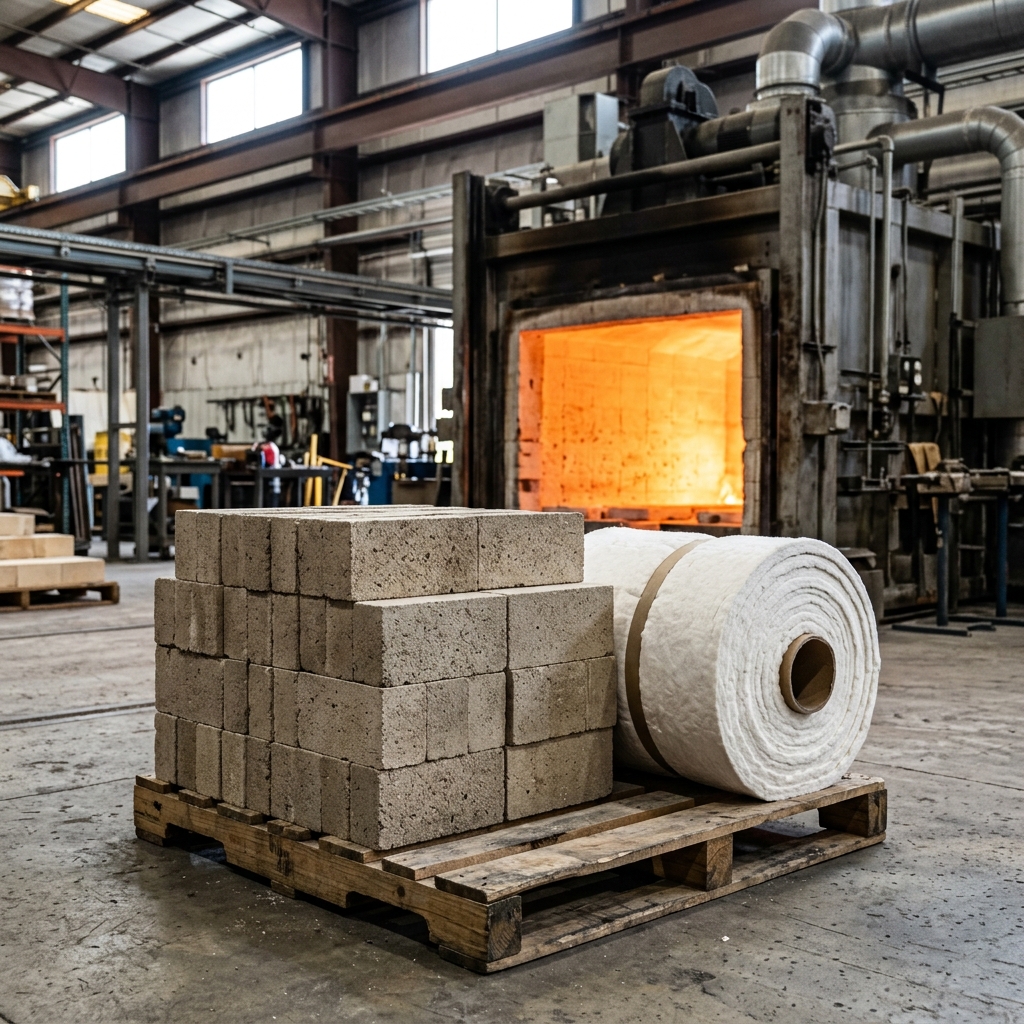
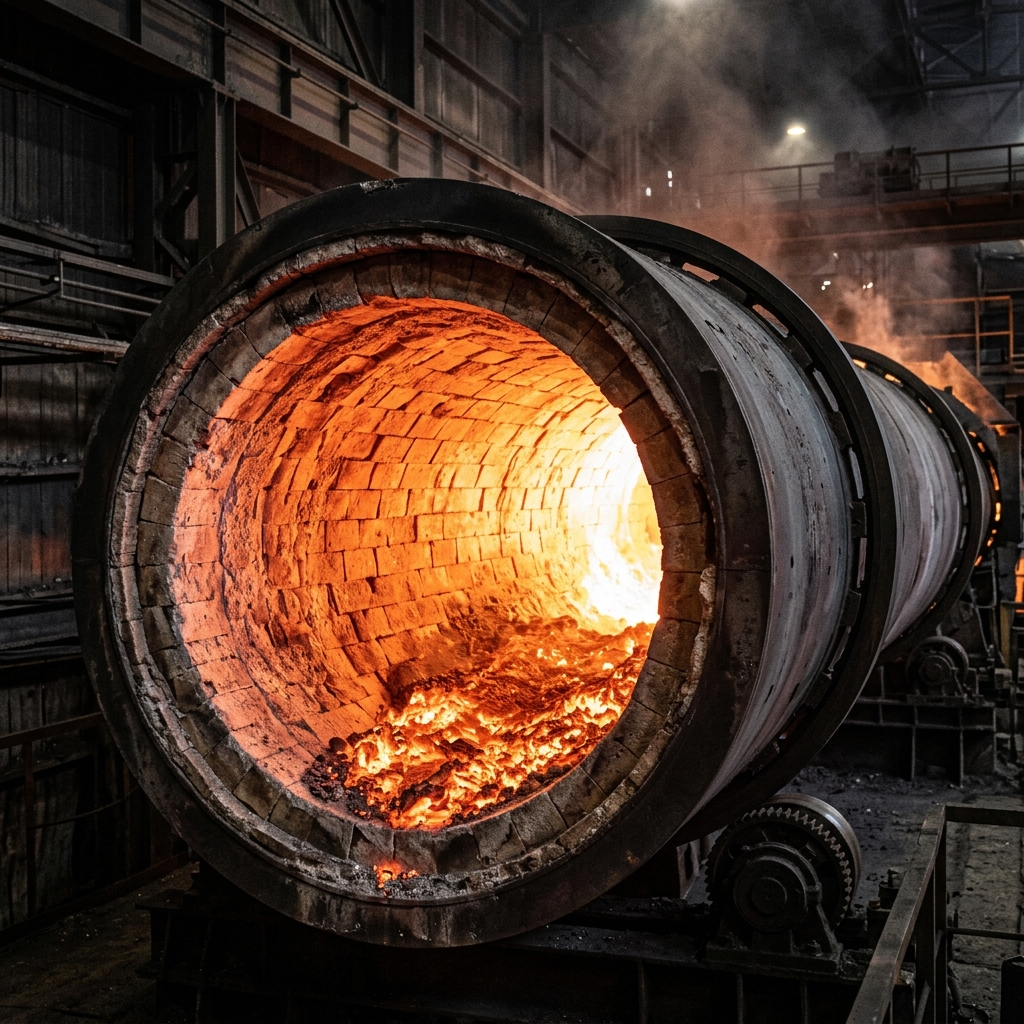
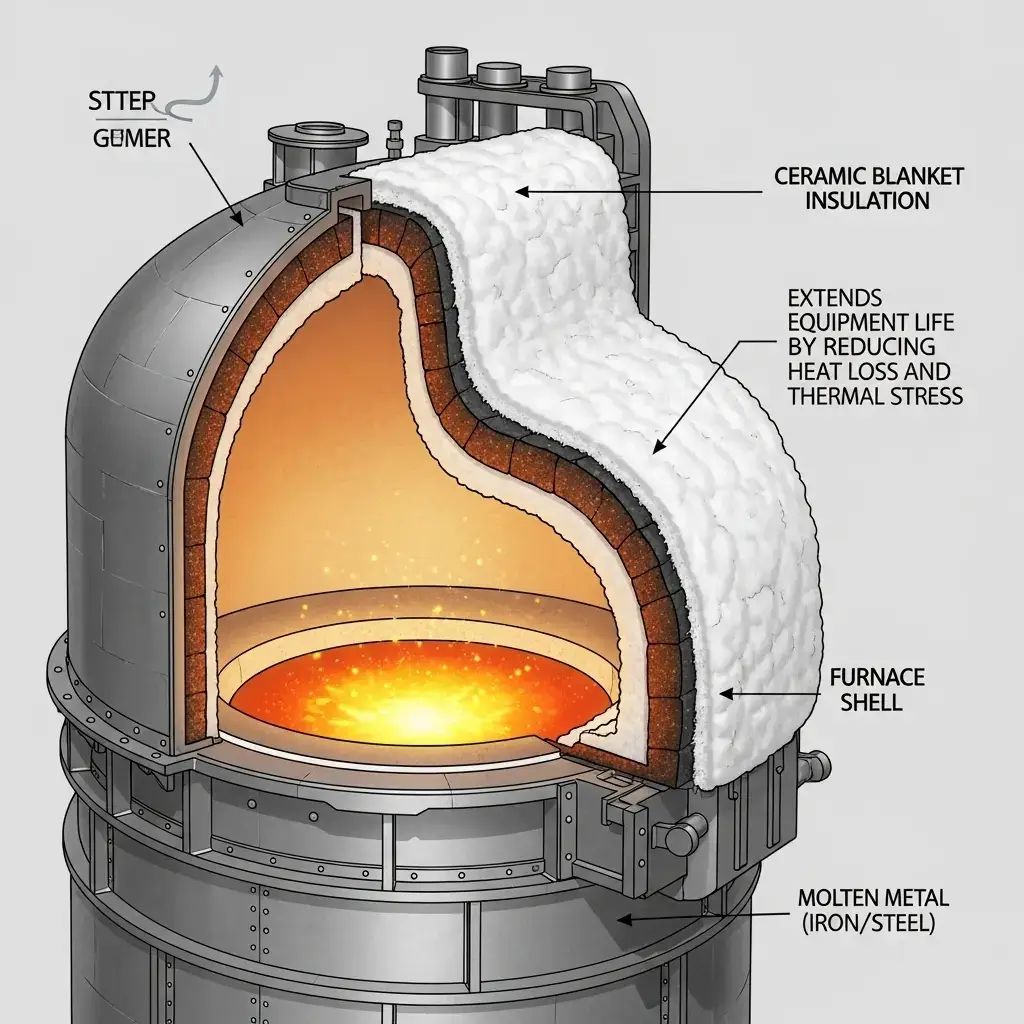
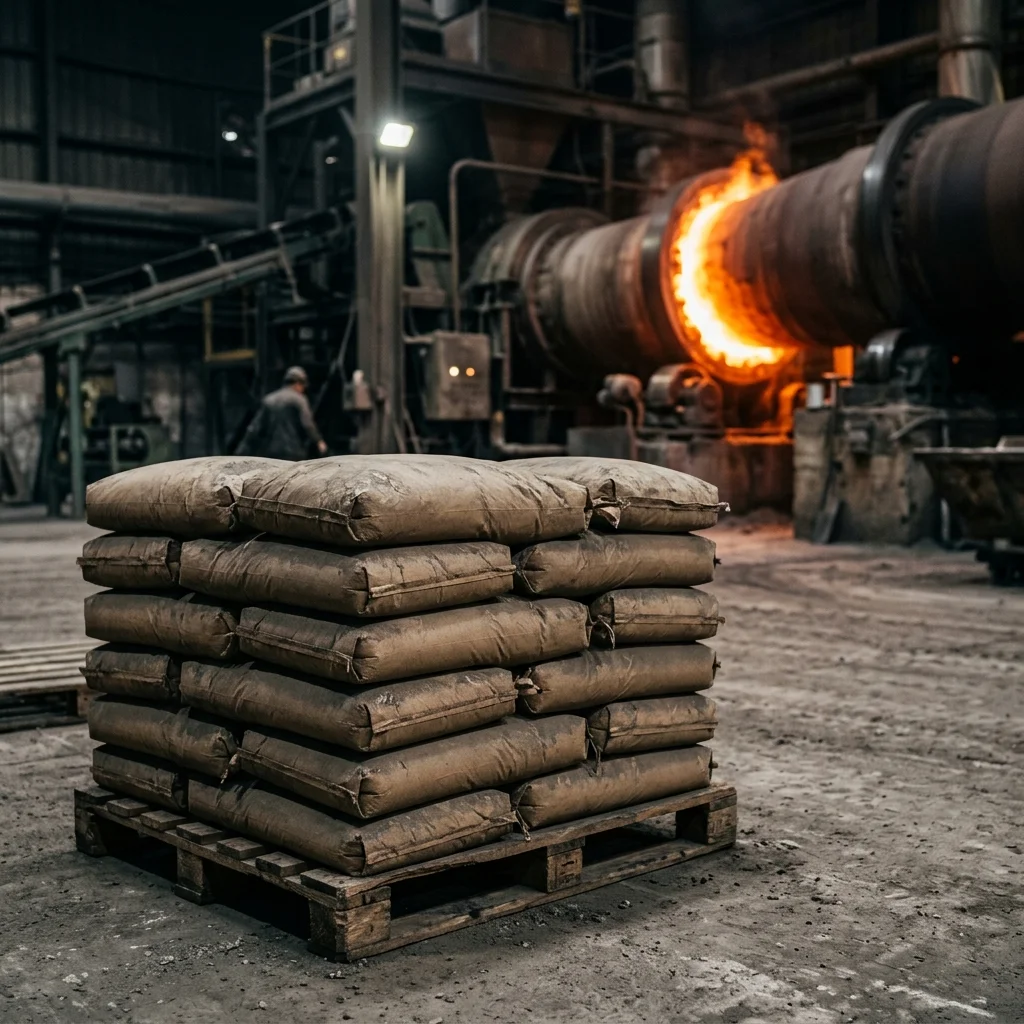
High alumina cement is widely used as a binder in castables and other refractory products installed inside furnaces, kilns, incinerators, and heating units where conventional cement is unsuitable.
Industrial Repairs
Shutdowns rarely leave much time for extensive repair work. High alumina cement is frequently selected for refractory maintenance because its early strength development helps restore damaged sections more efficiently.
Specialized Construction
Outside refractory applications, the material is also used in selected construction projects that demand resistance to heat, abrasion, or chemically aggressive service conditions rather than conventional structural performance.
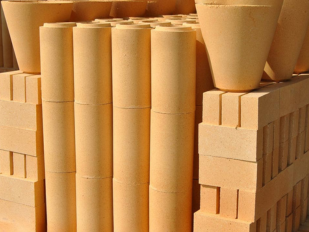
Precast Refractory Components
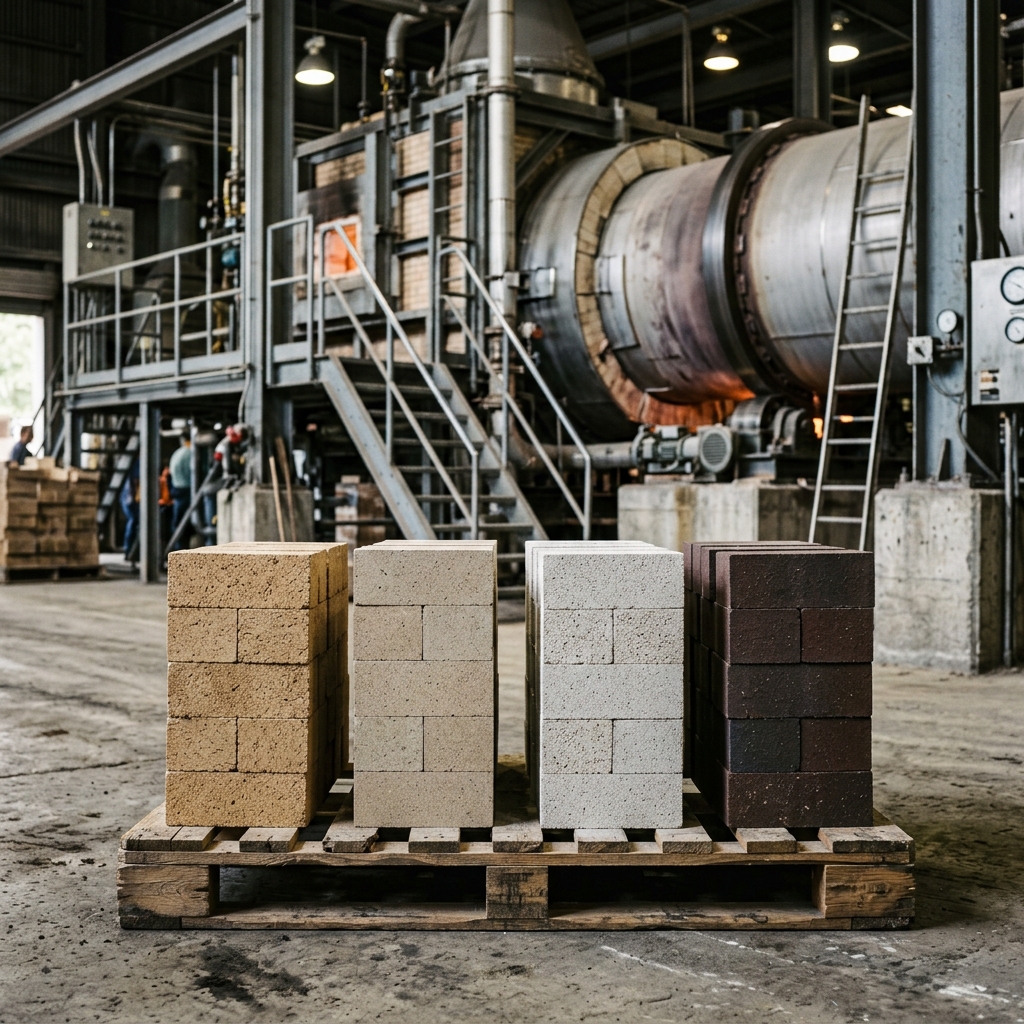
Many precast refractory shapes rely on high alumina cement during manufacturing. It provides the binder needed to hold refractory aggregates together before the finished component enters high-temperature service.
High Alumina Cement vs Ordinary Portland Cement
At first glance, the two materials appear to serve the same purpose. Both are hydraulic cements, both are mixed with water, and both are used as binders. The similarities, however, end there. Their performance begins to diverge once they're exposed to the conditions they were designed for.
| Ordinary Portland Cement | High Alumina Cement |
|---|---|
| Developed for general construction and civil engineering work. | Developed primarily for refractory and high-temperature applications. |
| Commonly used in buildings, pavements, foundations, and structural concrete. | Used in furnace linings, kilns, refractory castables, and industrial repair work. |
| Better suited to normal service conditions. | Preferred where prolonged heat and demanding operating environments are expected. |
| Typically develops strength over a longer curing period. | Known for achieving usable strength more quickly, making it practical during planned shutdowns. |
| Not intended for refractory applications. | Widely used wherever thermal resistance is a key requirement. |
Common Misconceptions About High Alumina Cement
Because it carries the word "cement," High Alumina Cement is often mistaken for a premium version of ordinary Portland cement. In reality, the two materials are designed for different purposes.
- Higher alumina doesn't make it suitable for every project.
HAC is intended for specialized industrial and refractory applications rather than general construction. - It isn't a direct replacement for ordinary cement.
Selecting between the two depends on service conditions, not product preference. - Heat resistance isn't its only strength.
Early strength development and compatibility with refractory systems are equally important reasons for its continued use. - Performance depends on correct application.
Like any engineered material, High Alumina Cement delivers the best results when specified and installed for the environment it was designed to serve.
Selecting High Alumina Cement for Industrial Applications
Every application places its own demands on a refractory system. The choice of High Alumina Cement should always reflect the operating conditions, refractory design, and service requirements of the installation rather than a single performance claim.
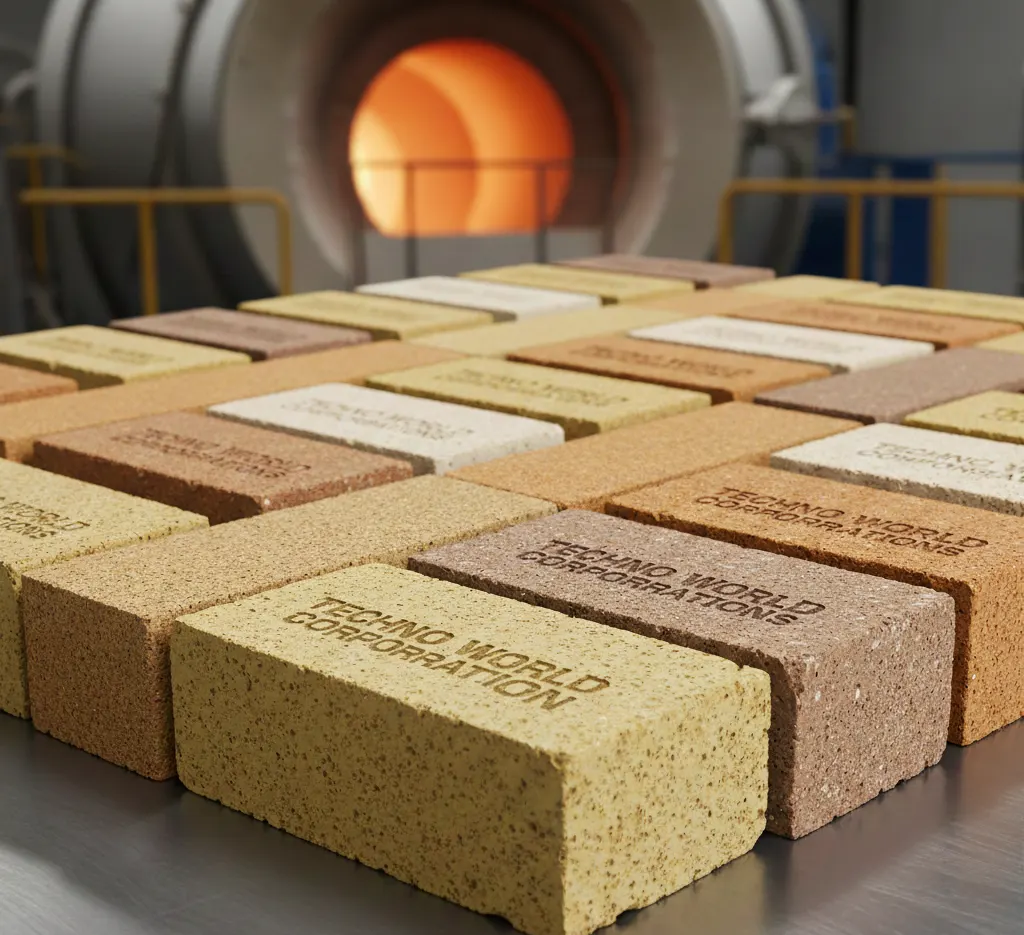
Techno World Corporation supplies High Alumina Cement and other refractory products for foundries, steel plants, cement manufacturing, and high-temperature industries. Contact our team to discuss the right solution for your application.
Popular Posts