FBC Boiler Bed Material: Specifications, Performance and Choosing a Manufacturer
Fluidized bed combustion (FBC) boilers are popular in India because they burn a wide range of fuels, from high-ash coal and lignite to rice husk, bagasse and wood chips. The secret behind that flexibility is the bed: a layer of hot granular material kept in motion by air from below. The quality of that bed material decides how smoothly the boiler runs.
This article focuses on the technical side of FBC boiler bed material: how it behaves inside the boiler, which specifications matter, what goes wrong when it is unsuitable, and how FBC boiler bed material manufacturers help plants avoid those problems. For a broader overview of bed material types, see our guide to boiler bed material manufacturers.
How a Fluidized Bed Works
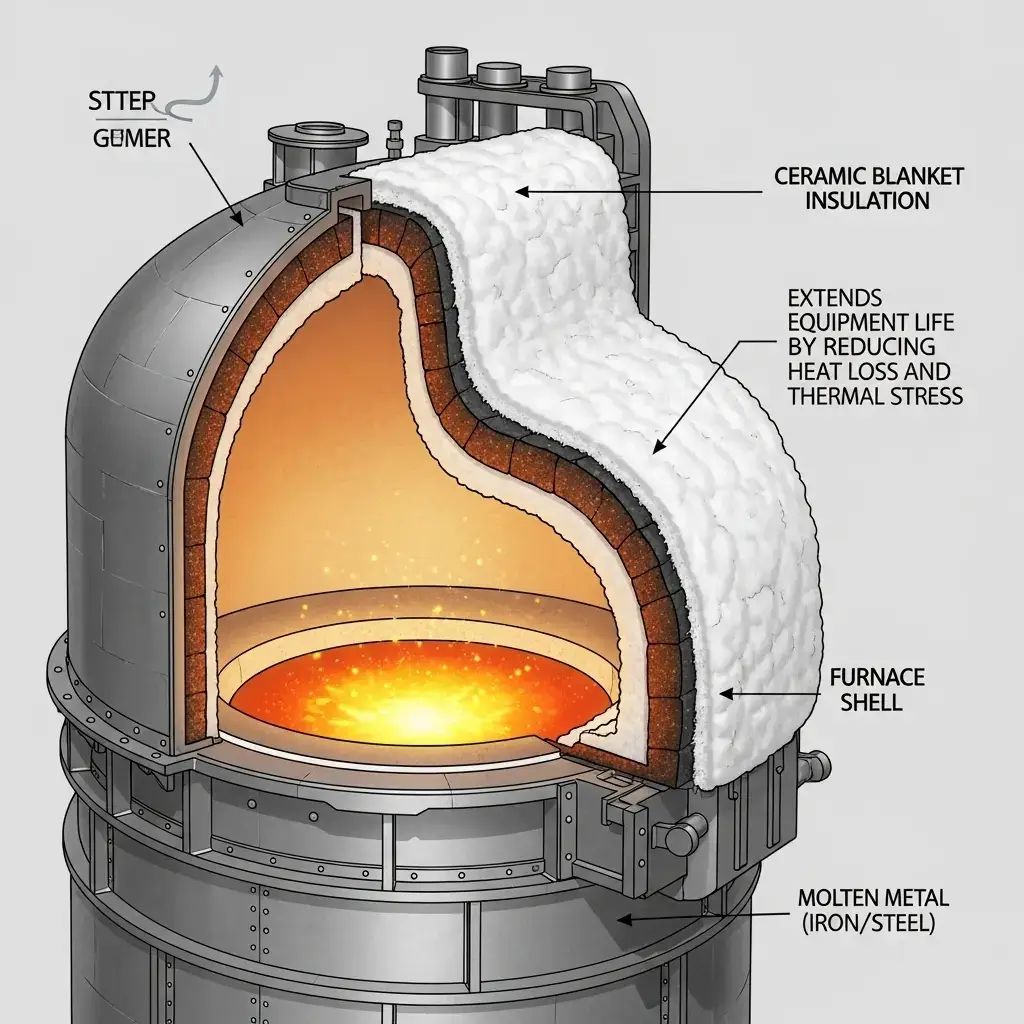
At the bottom of an FBC boiler is an air distributor plate with nozzles. Combustion air is blown upward through the bed material. At low air flow, the particles stay still. As air velocity increases past the minimum fluidisation velocity, the particles lift and begin to move like a boiling liquid. Fuel fed into this bed mixes rapidly with hot particles, ignites and burns at a relatively low, uniform temperature, typically in the range of about 800°C to 900°C.
There are two main designs:
- AFBC (atmospheric bubbling fluidized bed): a dense bed with bubbles, common in industrial process steam boilers.
- CFBC (circulating fluidized bed): higher air velocities carry particles up the furnace, where cyclones capture and return them. Common in larger power boilers.
Why Bed Material Specifications Matter
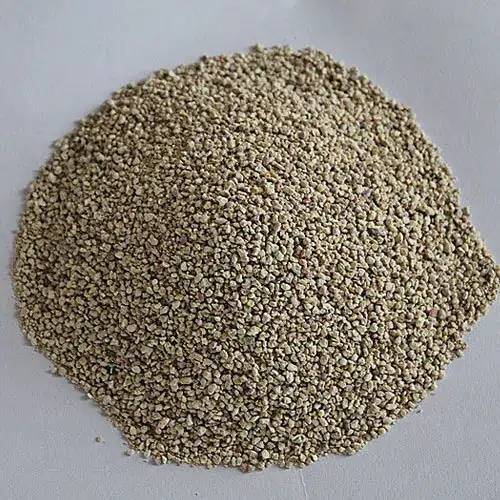
| Property | Why it matters in FBC | Techno World bed material |
|---|---|---|
| Particle size distribution | Controls fluidisation velocity, mixing and how much material is blown out of the bed | 0.85 mm to 1.70 mm |
| Melting point | Must stay well above bed temperature to avoid softening and fusion | Above 1500°C |
| Density | Affects fluidisation behaviour and air requirement | 1.1 to 1.2 g/cm³ |
| Hardness and wear resistance | Reduces attrition, dust and top-up consumption | Fired refractory grog for durability |
| Chemical composition | Determines how the bed reacts with fuel ash | Blended alumina, silica and magnesia |
See our FBC boiler bed refractory material page for full details.
Common FBC Bed Problems and Their Causes
Clinker and agglomeration
When ash reacts with bed particles, sticky low-melting compounds can glue particles together into lumps. Biomass fuels are especially risky because their ash is rich in potassium and sodium, which react readily with silica-rich sand. Large agglomerates disrupt air flow and can force a shutdown. A refractory bed material with a high melting point and a controlled size range reduces this risk.
Defluidisation
If lumps grow or the particle size drifts too coarse, parts of the bed stop moving. Temperatures rise in those zones, which accelerates clinker formation. Uniform, well-screened material helps keep the whole bed fluidised.
Attrition and high top-up rates
Soft particles break down into fines that are carried out with flue gas. The plant then needs frequent top-ups, and fines increase load on dust collectors. Harder, fired bed material lasts longer.
Erosion of in-bed tubes and refractory
Sharp or oversized particles wear in-bed tubes and wall linings faster. Properly graded material and a sound refractory lining both matter. Learn about boiler refractory materials and maintenance tips for castable and fire brick structures.
Operating Tips for Better Bed Performance
- Start with the right initial charge: fill to the design bed height with material in the recommended size range.
- Monitor bed pressure drop and temperature: these show bed height and early signs of defluidisation.
- Drain and screen regularly: remove oversize lumps and fines, and recycle good material where the design allows.
- Top up consistently: use the same grade of material to keep bed behaviour predictable.
- Watch fuel changes: switching to high-alkali biomass may call for closer bed monitoring and more frequent refreshing.
- Maintain the lining: a healthy refractory lining of high alumina bricks and dense castables protects the boiler structure.
FBC Fuels Common in India
Indian FBC boilers commonly burn high-ash coal, lignite, rice husk, bagasse, groundnut shells, wood chips, mustard stalks and other agricultural residues. Each fuel produces ash with different chemistry, so bed material performance should be checked against the fuel mix, not only the boiler design.
Choosing FBC Boiler Bed Material Manufacturers
- Specification sheets: particle size distribution, melting point, density and chemical analysis should be provided.
- Screening of every batch: consistent sizing keeps fluidisation stable from one delivery to the next.
- Fuel-aware advice: a good manufacturer asks about your fuel before recommending material.
- Supply reliability: boilers cannot wait for top-ups, so dependable dispatch matters.
- Refractory expertise: suppliers who also provide refractory mortars, bricks and insulation understand the whole boiler.
For general guidance, read what refractory materials are and why they are essential.
Techno World Corporation: FBC Bed Material Manufacturer and Exporter
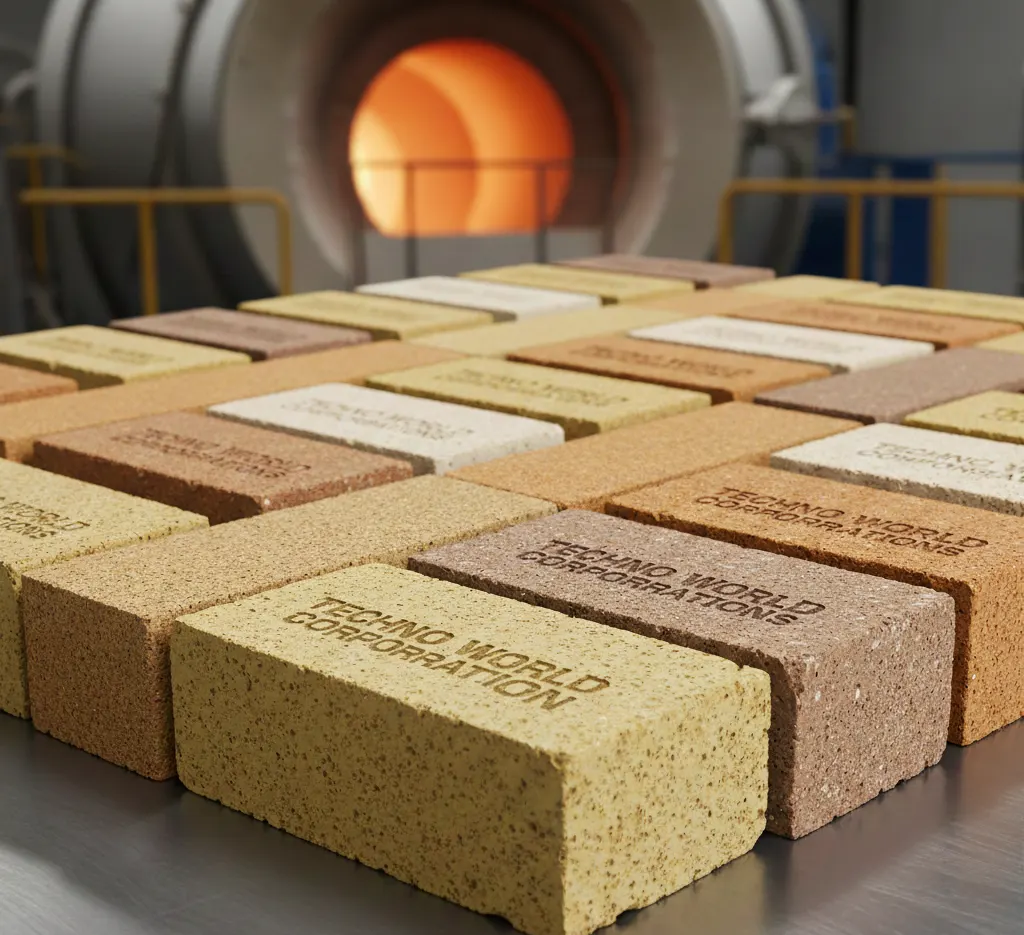
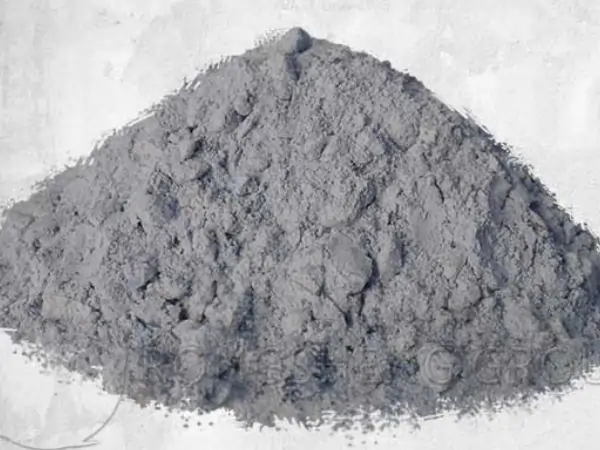
Techno World Corporation, based in Rajkot, Gujarat, manufactures FBC boiler bed material from crushed, blended, granulated and fired refractory raw materials. Each batch is screened before packing, and we supply plants across India and export worldwide. We hold ISO 9001:2015, ISO 14001:2015 and CE certifications. Read about our quality standards and meet our team.
Related Reading
- Boiler bed material manufacturers: types and selection
- Ceramic fiber board manufacturers: grades and uses
- 90 K mortar refractories: properties and uses
Talk to Our FBC Bed Material Team
Share your boiler type (AFBC or CFBC), fuel mix, current bed material and consumption. Contact us or call +91 87587 20335.
Popular Posts