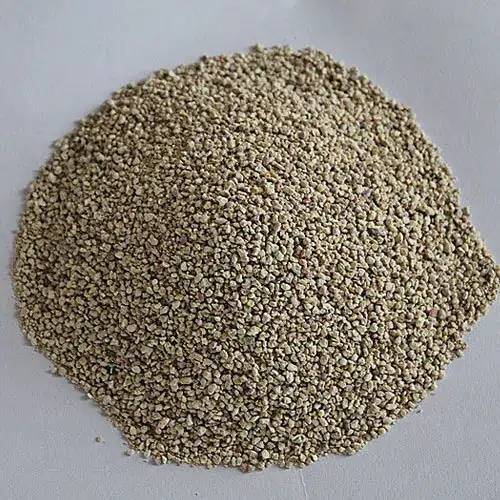
Boiler Bed Material Manufacturers: Types of Bed Material and How to Choose
In a bed-type boiler, fuel does not burn on its own. It burns inside a hot layer of granular material called the bed. That bed stores heat, spreads it evenly, ignites incoming fuel and helps transfer energy to the water tubes. When the bed material is poor, operators see clinker, uneven temperatures, erosion and frequent shutdowns.
Choosing the right bed material, and the right manufacturer, is therefore a direct lever on boiler uptime and fuel efficiency. This guide compares the main types of boiler bed material, explains what makes a good one, and shows what to expect from reliable boiler bed material manufacturers.
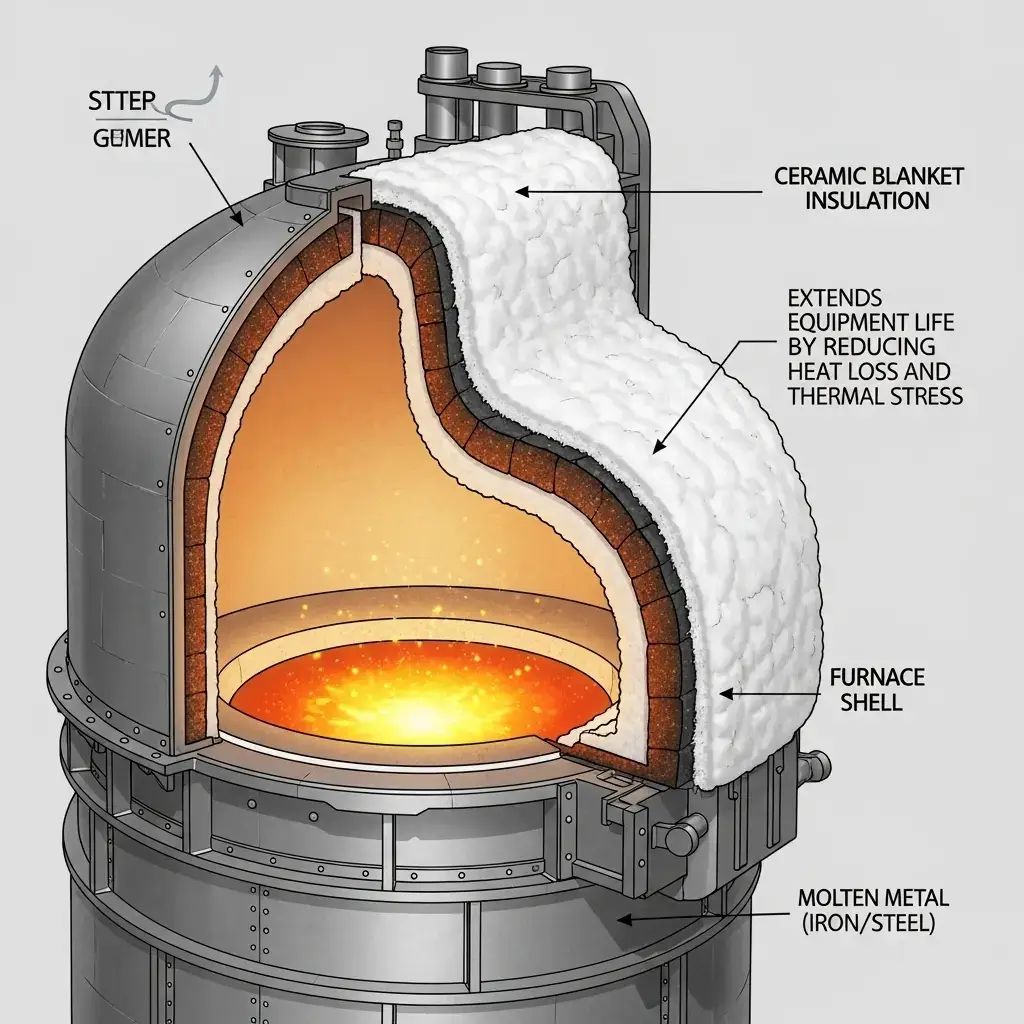
What Boiler Bed Material Does
- Stores heat: the hot bed acts as a thermal flywheel, so fuel ignites quickly and combustion stays stable even when fuel quality varies.
- Distributes temperature: constant mixing keeps the bed at an even temperature, avoiding hot spots.
- Transfers heat: hot particles transfer energy to in-bed tubes and walls efficiently. Read why boiler refractory material is used for heat transfer.
- Supports clean combustion: a stable bed burns fuel more completely, which reduces unburnt carbon.
Types of Boiler Bed Material
| Type | Advantages | Limitations |
|---|---|---|
| River sand | Cheap and widely available | Inconsistent size and chemistry, high silica, prone to agglomeration, supply increasingly restricted |
| Crushed silica sand | More uniform than river sand | Silica can react with alkali-rich ash, especially from biomass |
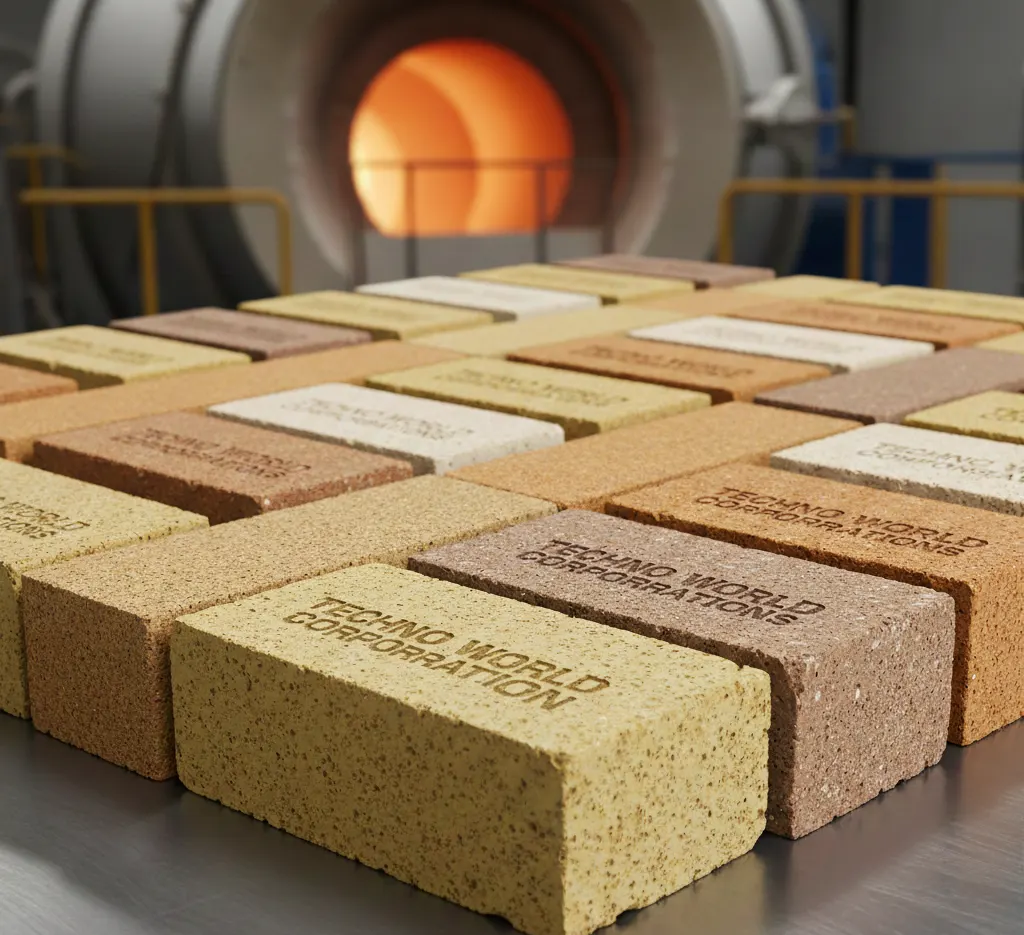
| Refractory grog bed material | Controlled size, high melting point, wear resistant, lower clinker risk | Higher cost per tonne, offset by longer life and fewer shutdowns |
| Alumina-rich engineered media | Excellent resistance to agglomeration and high temperature | Premium price, used where fuel is difficult |
Engineered refractory bed material is increasingly replacing river sand in Indian plants because it gives predictable performance and a steady supply.
What Makes a Good Boiler Bed Material
- High melting point: Techno World Corporation's bed material has a melting point above 1500°C, well above normal bed temperatures.
- Controlled particle size: our material is graded from 0.85 mm to 1.70 mm, which supports even fluidisation and reduces clinker formation.
- Suitable density: our material has a density of 1.1 to 1.2 g/cm³, giving a good weight-to-strength ratio.
- Wear resistance: hard particles resist attrition, so less material is lost and replaced.
- Chemical stability: low reactivity with fuel ash helps prevent lumps and bed defluidisation.
Full details are on our refractory boiler bed materials page.
Which Boilers Use Bed Material?
Bed material is essential in fluidized bed combustion (FBC) boilers, including atmospheric bubbling beds (AFBC) and circulating fluidized bed (CFBC) designs, which burn coal, lignite, biomass and waste. For a detailed technical look at FBC operation, see our article on FBC boiler bed material.
Industries That Depend on Boiler Bed Material
- Captive and independent power plants
- Sugar mills burning bagasse
- Paper, textile and chemical plants running process steam boilers
- Rice mills and agro-processors burning husk and agricultural residue
- Waste-to-energy plants, where stable combustion is critical
- General manufacturing units that need consistent high-temperature process heat
How Refractory Bed Material Is Manufactured
- Raw material selection: high refractory materials such as alumina, silica and magnesia are chosen for purity.
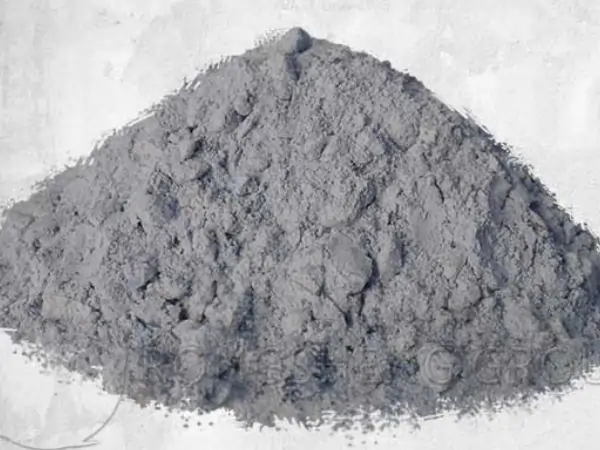
- Crushing and blending: materials are crushed into uniform powder and mixed in accurate ratios.
- Binding and granulation: binders are added to improve cohesion and strength, and the mix is granulated.
- Drying and firing: granules are dried and fired to develop hardness and stability.
- Screening and packing: the fired material is screened to the specified size range and packed for delivery.
What to Look for in Boiler Bed Material Manufacturers
- Documented specifications: particle size distribution, melting point, density and chemical analysis in writing.
- Batch consistency: screening and testing of every batch, so each delivery behaves the same.
- Reliable supply: boilers need regular top-ups, so dependable logistics matter as much as quality.
- Technical support: help matching material to your fuel and boiler design.
- Quality systems: certified processes give confidence in consistency.
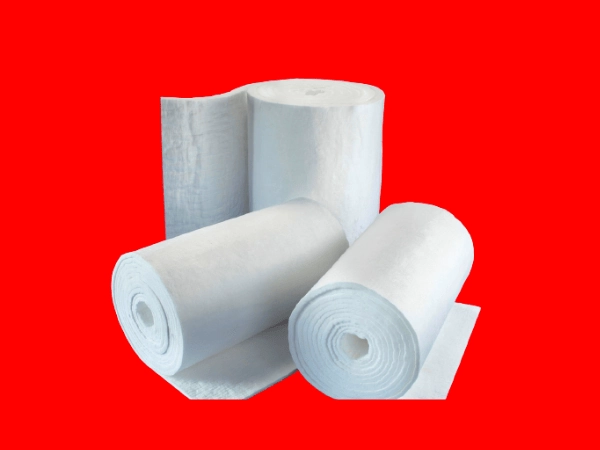
- Wider refractory range: the same supplier can support boiler linings with fire bricks, castables and ceramic fiber board.
See also choosing fire bricks for boiler efficiency and how to install castable refractory.
Techno World Corporation: Boiler Bed Material Manufacturer in Gujarat
Techno World Corporation, headquartered in Rajkot, Gujarat, manufactures and exports refractory boiler bed material along with a complete range of refractory and insulating products. Every batch is screened before dispatch, and we hold ISO 9001:2015, ISO 14001:2015 and CE certifications. We supply plants across India and export to many countries. Learn why customers choose us and how Indian refractory manufacturers are gaining global recognition.
Related Reading
- FBC boiler bed material: specifications and performance
- Ceramic fiber board manufacturers: grades and uses
- 90 K mortar refractories: properties and uses
Order Boiler Bed Material
Share your boiler type, fuel, required size range and monthly quantity. Contact our sales team or call +91 77779 78989.
Popular Posts