Choosing the Right Fire Bricks for Boiler Efficiency
Industrial boilers punish refractory linings every hour they operate.
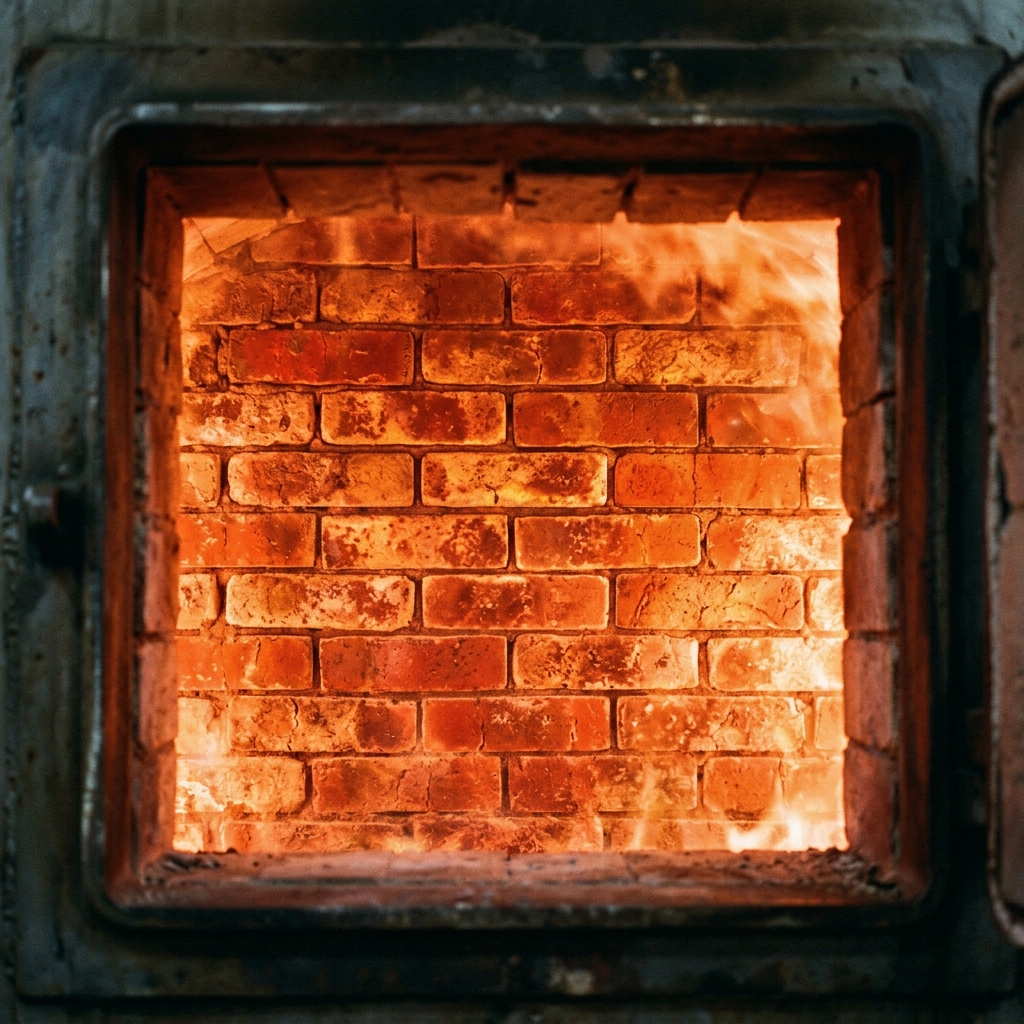
Inside high-pressure systems, the internal refractory surface faces direct flame exposure, rapid thermal cycling stress, ash abrasion, and constant heat retention demands.
Choosing the wrong fire bricks for boiler applications usually starts with small shell hot spots and ends with fuel waste, pressure instability, and emergency shutdowns. Boiler down-time ruins profit margins.
Heat Retention Starts at the Backup Layer
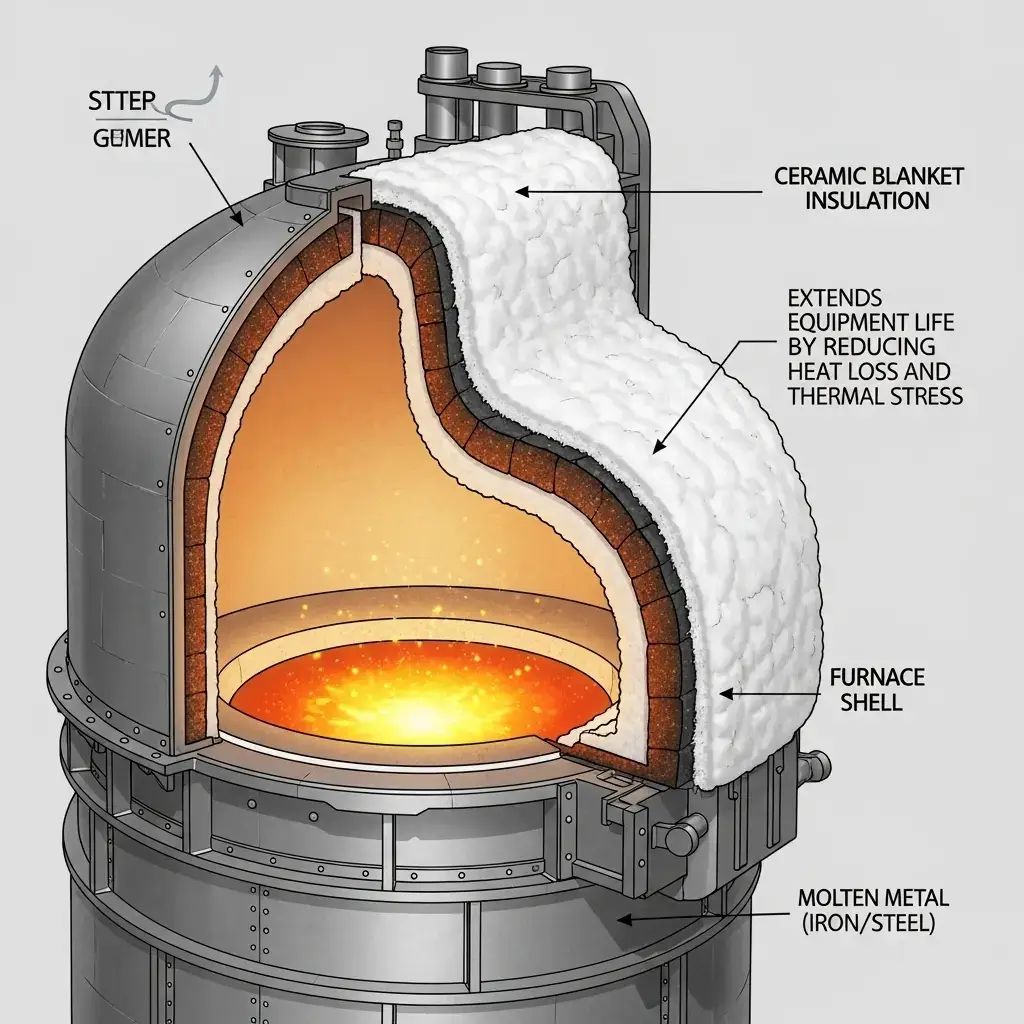
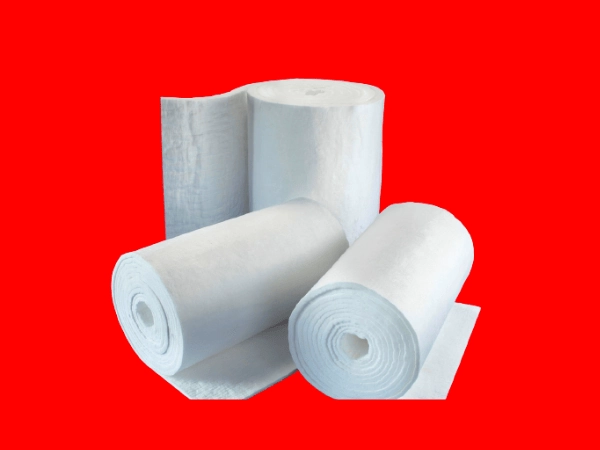
Not all boiler sections require heavy refractory lining. Backup insulation layers are primarily leveraged to minimize heat loss and keep shell temperatures manageable throughout the operation.
Burner areas, however, are exposed to direct flame exposure and repeated heating cycles. In these zones, lower-grade materials often crack easily. On the other hand, high-alumina refractories mostly hold up strongly under continuous thermal stress.
Moisture Penetration Destroys Brick Structures Internally
Boiler environments are not dry thermal chambers.
Steam exposure, combustion gases, and fuel byproducts gradually penetrate weak refractory structures with high apparent porosity.
Once moisture enters the brick matrix, internal deterioration accelerates beneath the surface. Operators usually notice the damage only after sections begin crumbling during maintenance shutdowns.
This is why dense systems remain critical in high-moisture operating conditions.
Convective Passes Face a Different Type of Damage
Convective pass abrasion is constant. Ash particles and airborne residue repeatedly strike refractory surfaces at high velocity.
Thermal resistance alone does not protect these sections. Mechanical hardness matters more here than ultra-high temperature capability.
Weak bricks erode unevenly, exposing steel structures beneath the lining over time.
Enhance Boiler Reliability With Techno World Corporation
Most refractory failures are blamed on temperature. Usually, the real damage starts from thermal cycling, burner turbulence, ash abrasion, and uneven heat distribution inside the chamber. Weak refractory joints begin opening first.
Then the hot face starts deteriorating. Fuel consumption rises quietly before operators even notice visible shell hot spots. That failure pattern is common in aging boiler systems.
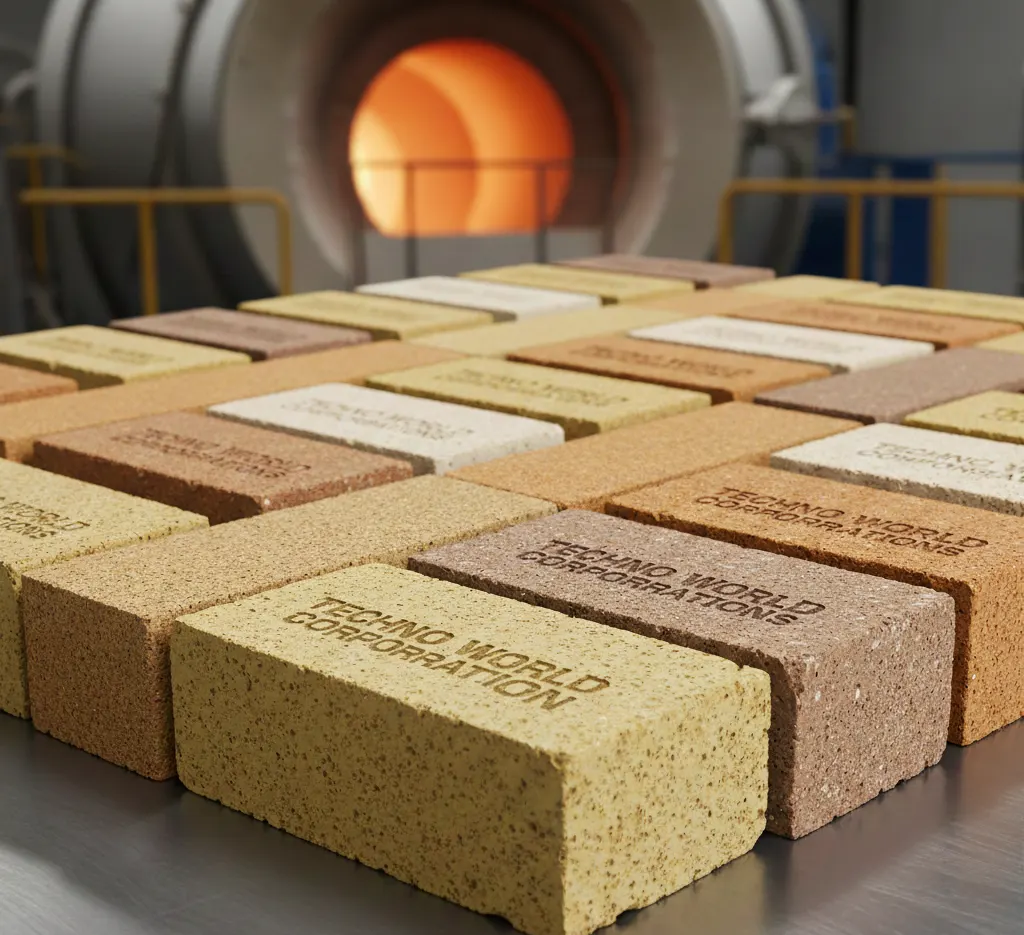
Techno World Corporation supplies refractory solutions for industrial boilers operating under aggressive thermal conditions where lining stability directly affects uptime and fuel efficiency. Our team studies operating temperature, burner configuration, fuel behavior, and thermal cycling conditions before recommending any brick grade.
Popular Posts