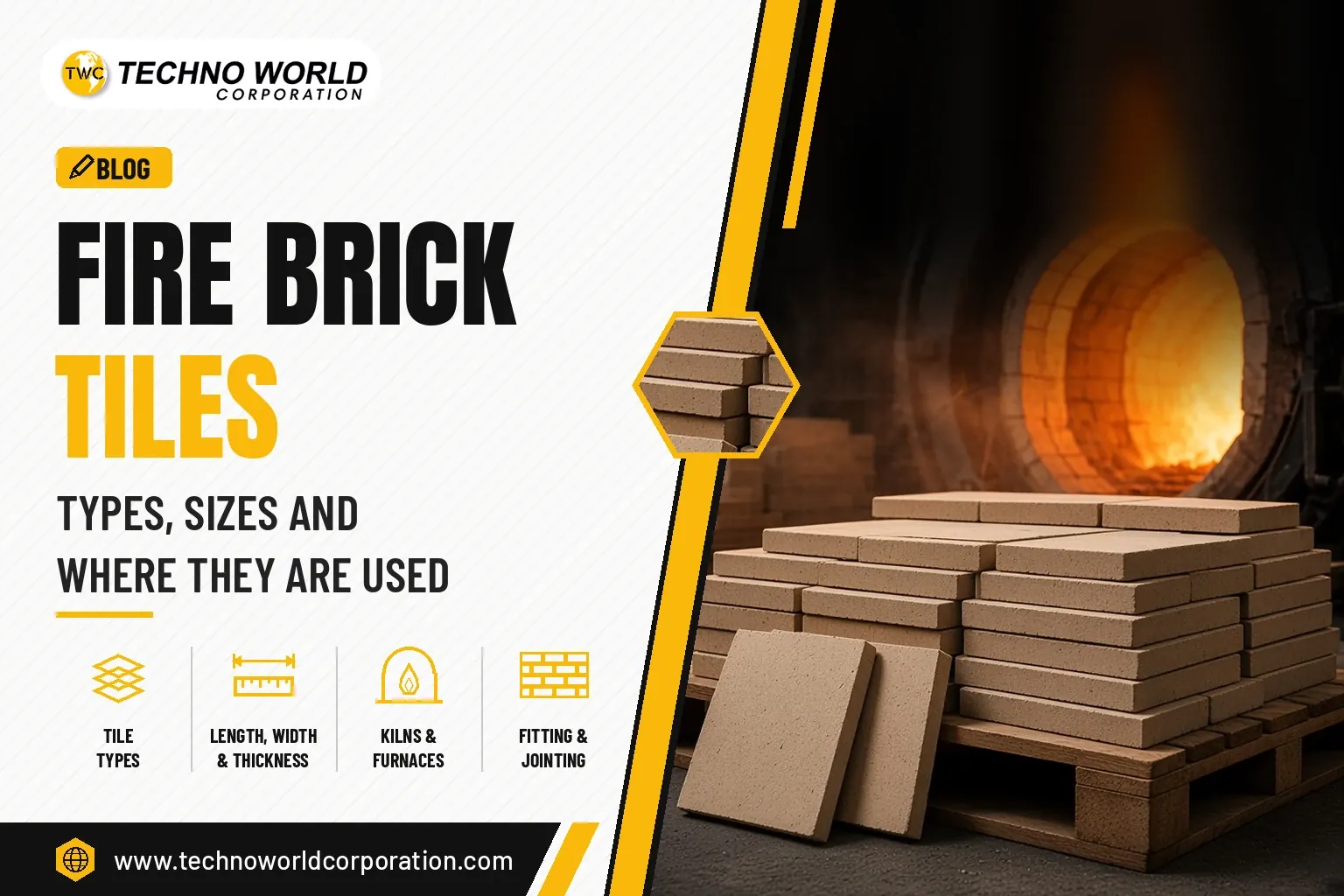
Fire Brick Tiles: Types, Sizes and Where They Are Used
In many high-temperature facilities, workers use the generic label "fire brick" for almost any refractory lining element: dense structural blocks, slender slabs, specialized shapes, or floor tiles. This lack of precise vocabulary leads to significant miscommunication during the buying process.
Fire brick tiles serve a specialized function within refractory systems, and purchasing them under the assumption that they match standard brick profiles frequently results in wrong thickness, poor installation fit, and rapid lining degradation. To protect equipment performance and avoid unplanned downtime, buyers must evaluate refractory profiles accurately.
This article clarifies the defining characteristics of fire brick tiles, highlights key physical and dimensional differences compared to standard refractory bricks, and details the specific industrial applications where these thin, heat-resistant tiles are most effectively used.
What a Fire Brick Tile Actually Is
A fire brick tile is a flat, relatively thin piece of refractory material, made to line or face surfaces that sit in heat. Think of it as the slimmer cousin of the familiar fire brick. It’s built from heat-resistant material that can handle temperatures which would crack ordinary ceramic or masonry.
Because it’s thinner and flatter, a tile tends to be chosen where a smooth surface, a lighter lining or limited space matters. Different makers use different names and dimensions for these pieces, so a name alone never defines the product.
Tiles vs Standard Fire Bricks
Fire brick tiles and standard refractory bricks overlap in application, but they serve distinct structural roles:
Thickness and Weight
Tiles feature slimmer profiles, making them lighter for installations with structural load limits, whereas standard bricks are chunkier, high-mass blocks.
Role and Surface Finish
Tiles face or finish surfaces requiring a flat, clean working plane. Standard bricks form the main, load-bearing body of the lining.
Wear Allowance and Durability
Thicker bricks provide significantly more sacrificial material to withstand harsh environments and heavy mechanical abrasion.
Neither option is universally superior. The correct choice depends entirely on operating temperatures, chemical atmospheres, and direct material contact. In high-load or high-abrasion zones, evaluate whether tiles can withstand operational stress or if fire bricks must carry the primary duty.
Types You’ll Meet
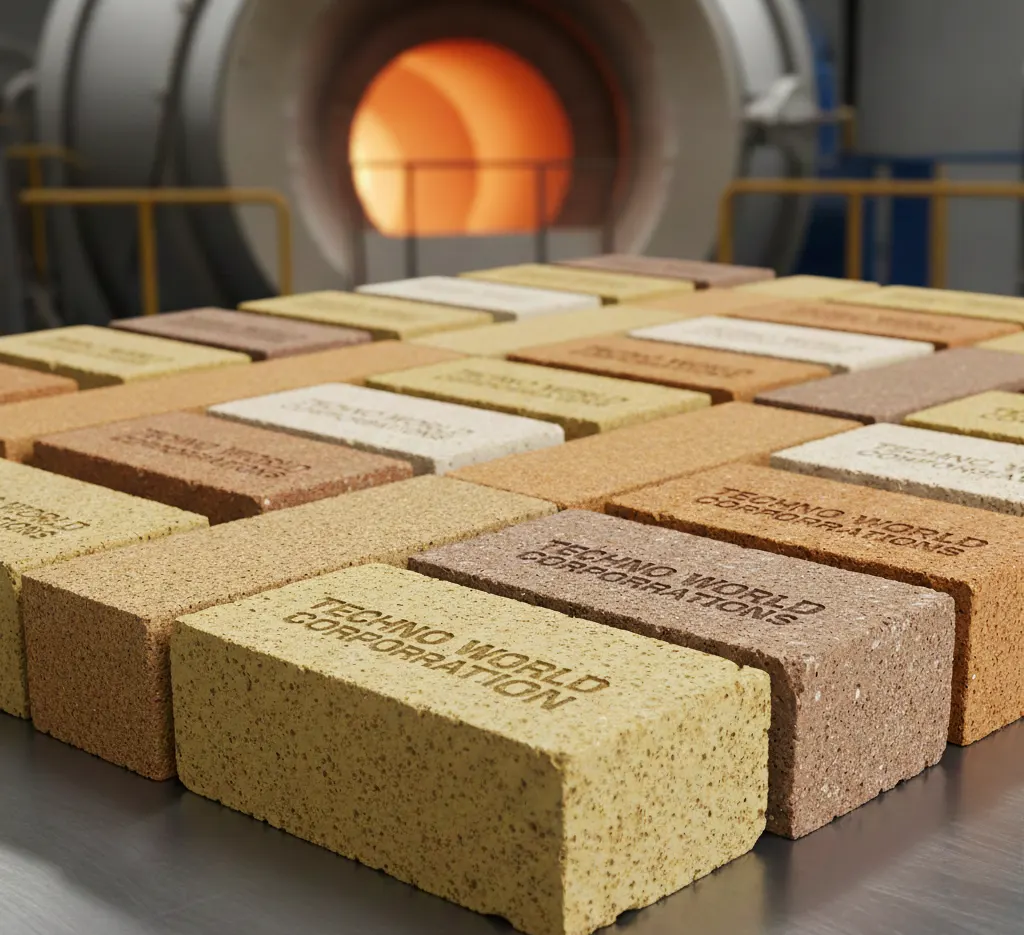
Buyers usually see three broad groups. General-purpose fireclay types suit many moderate-duty jobs. Higher-alumina types are picked for hotter or more demanding zones. Insulating types are lighter and are chosen to cut heat loss rather than resist heavy wear.
Which of these a supplier offers varies, so ask them to name the material type of each tile in plain words, and the temperature range they recommend for it. If they can’t speak, move on.
Sizes: What to Tell Your Supplier
Dimensions differ between makers, so don’t rely on a trade name. Quote three numbers: length, width and thickness. Add the tolerance if it is tight, the shape of the lining is curved or has corners, and the area to be covered so the quantity can be worked out.
Measure against your drawing or the existing lining, not from memory. A tile that’s a few millimetres off can leave gaps that cost far more to fix than the tile itself.
Where Fire Brick Tiles Are Used
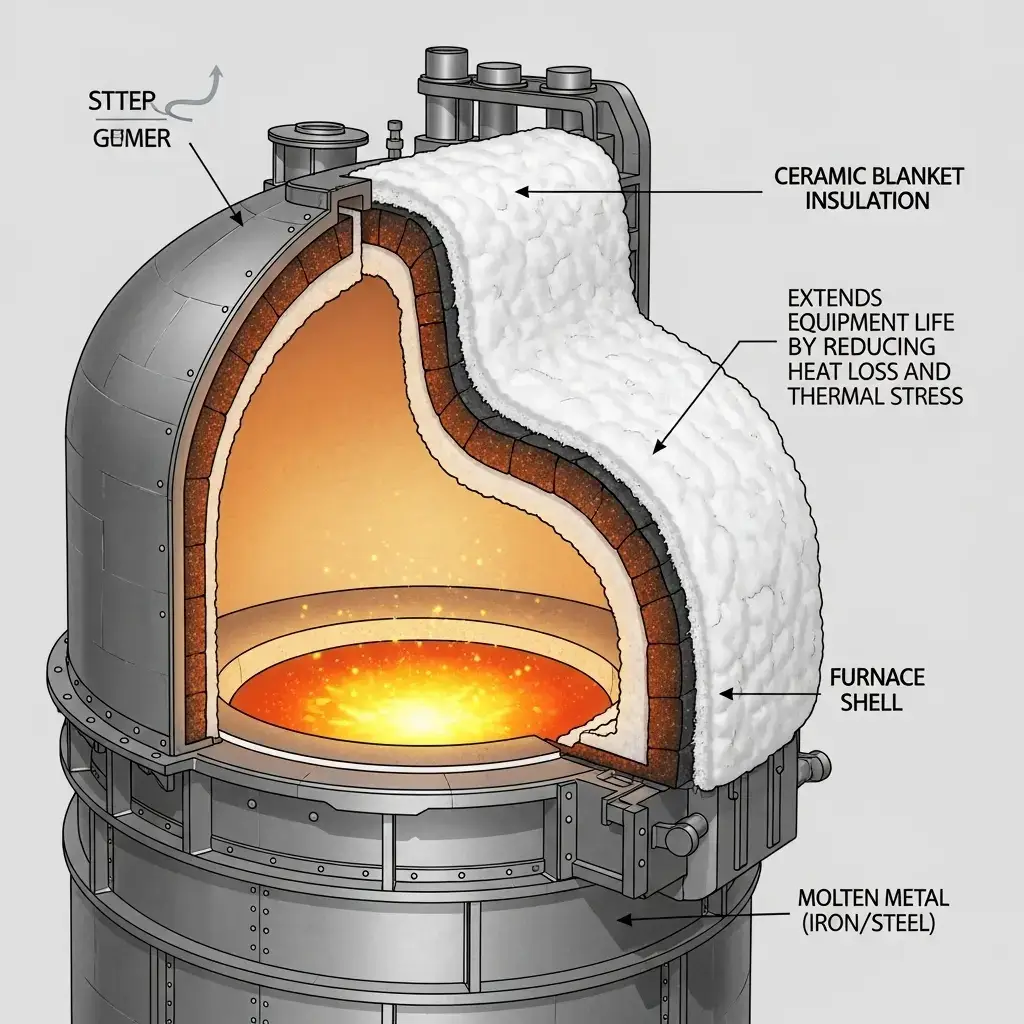
Kilns and furnaces are the classic homes. In kilns, tiles often form floors, shelves’ surfaces and facing layers. In furnaces they appear as hot-face covering in lighter-duty areas and in repairs where a full brick won’t fit.
Foundries, steel plants, cement units and boiler operators also use tile-type linings in places where thickness or weight is restricted. In every case, the question is the same: what temperature, what atmosphere and what abuse will this surface see?
Fitting and Jointing
A good tile can be let down by poor installation. Joints should be thin and consistent, and the bonding material has to suit the material and temperature. The guidance on refractory mortar is worth reading before you fix anything in place.
Bring a new lining up to temperature gradually, following the maker’s advice, because rushing the first heat-up is a common way to crack tiles.
Choosing Between Fire Brick Suppliers
Price comparisons mean little until the products match. When you talk to fire brick suppliers, look for these things:
- A clear statement of material type and recommended temperature range
- Dimensions that stay consistent from piece to piece
- Packing that protects edges and corners
- Technical information available on request
- Honest advice on whether a tile or a standard brick suits your job
A supplier who suggests a different product than the one you asked for, and explains why, is doing you a favour.
A Short Order Brief
To get an accurate quotation and avoid delays, share these core details when requesting refractory tiles:
- Where the tile will be used and the working temperature
- Material type, if you know it
- Length, width, thickness and any shape needed
- Quantity or area to cover
- Delivery location and target date
Clear specifications ensure our team recommends the right material for your operating conditions.
Connect With Techno World Corporation
To discuss your specific refractory lining requirements, reach out to Techno World Corporation and share your application details and structural dimensions with our engineering team today. Get precise material recommendations, custom sizing support, and reliable technical guidance tailored to your operational needs.
Popular Posts

Looking for a Reliable Refractory Supplier?
Tell us your application and we will recommend the right material and share specifications and pricing.
Request a Quote