Industrial Insulation: Improving Energy Efficiency and Equipment Performance
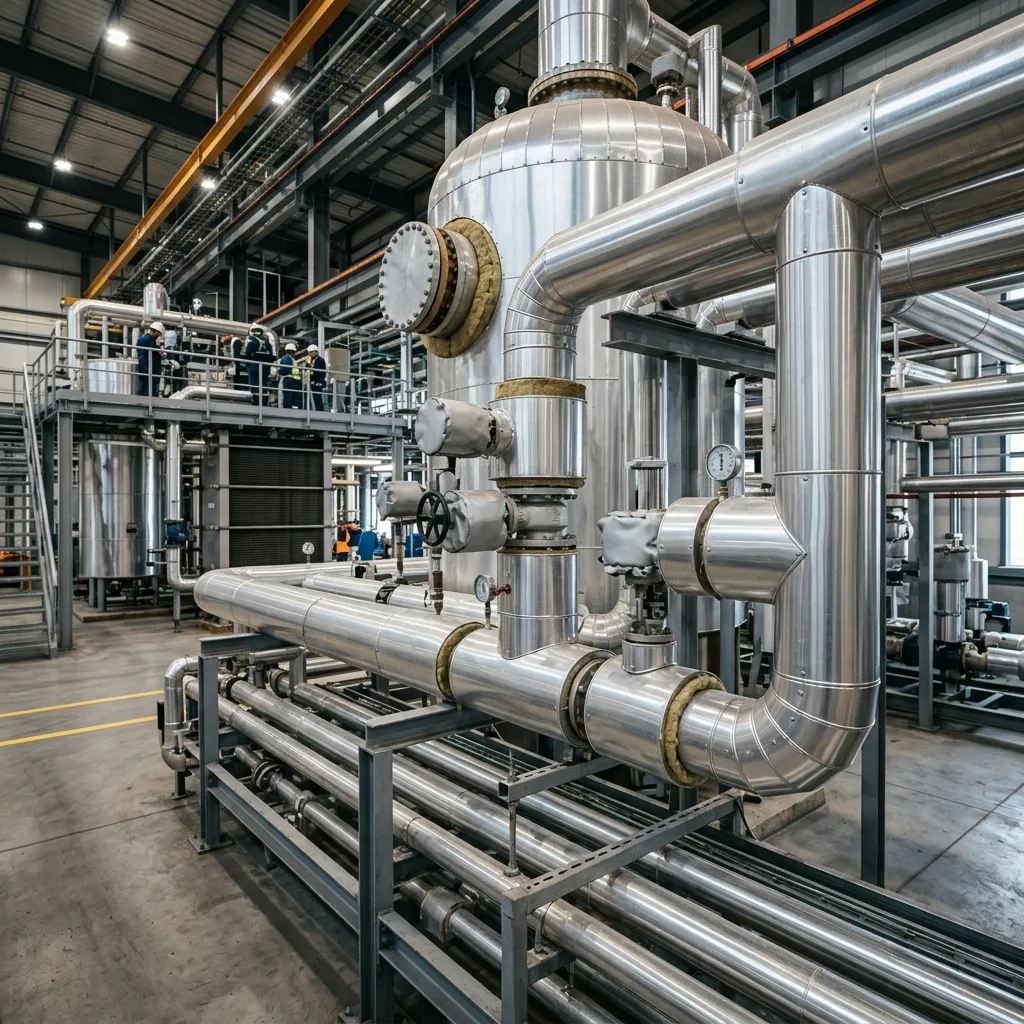
Industrial facilities are built to move heat where it's needed and keep it there for as long as the process demands. Whether it's a steam pipeline, process vessel, furnace, or boiler, every system is designed around controlled temperatures. Once that control begins to slip, the process compensates by consuming more energy than intended.
That's why industrial insulation is considered a functional part of industrial systems rather than an optional covering. Industrial insulation for energy efficiency keeps temperatures steady and protects your gear, all without messing with how your plant actually runs.
In this post, you'll see exactly how investing in the right insulation pays off by boosting energy efficiency and keeping your equipment running smoothly for years to come.
How Industrial Insulation Supports Energy Efficiency
Energy doesn't disappear inside an industrial plant. If it isn't being used by the process, it's usually escaping from it. That's why insulation has remained part of industrial design for decades.
Heat Finds a Way Out
A hot steam line begins losing heat the moment it starts operating. The same is true for boilers, tanks, furnaces, and process vessels. None of this happens suddenly. The loss is gradual, which also makes it easy to ignore. Production continues, operators carry on with routine work, and the process still functions. It simply consumes more energy than it should.
Equipment Keeps Making Up the Difference
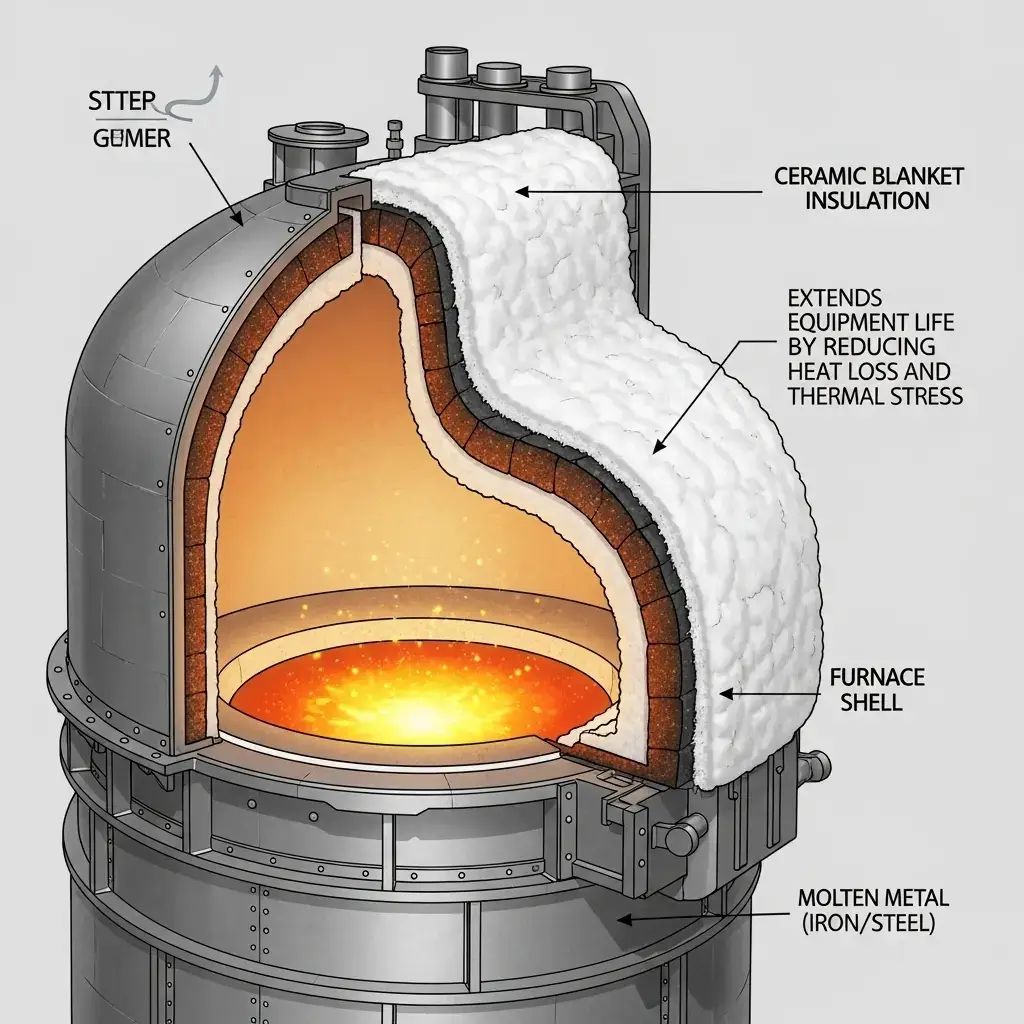
Industrial heating systems don't know why the temperature has dropped. They only respond by adding more heat until the required operating condition returns. That extra fuel or electricity becomes part of normal operation, even though much of it is replacing energy that was never meant to leave the system in the first place. This is where energy efficient industrial insulation has a direct influence on operating costs.
Consistent Temperatures Make Operations Easier
Most industrial processes perform better when temperatures remain steady. Frequent changes place additional demand on equipment and can make process control more difficult, particularly where heating cycles must remain within a narrow operating range. Effective industrial thermal insulation helps reduce those fluctuations by slowing unnecessary heat transfer rather than allowing the system to compensate repeatedly.
Good Insulation Is Rarely Noticed
In many plants, insulation receives attention only after it becomes damaged or starts deteriorating. Yet its condition affects energy use every day. Choosing suitable industrial insulation materials, installing them correctly, and replacing them when required are all part of maintaining energy efficient industrial insulation over the long term.
Not Every Industrial Insulation Material Performs the Same
Two industrial systems operating at similar temperatures can require completely different insulation. A steam header, an outdoor storage tank, and a furnace may all handle heat differently, yet the conditions around them are never identical. That's why material selection begins with the application, not the product.
The Process Comes First
Experienced engineers don't ask which insulation material is the best. They ask what the equipment is expected to withstand. Temperature, moisture, vibration, maintenance access, and operating conditions all influence which industrial insulation materials will continue performing reliably after years of service.
There Is No Universal Solution
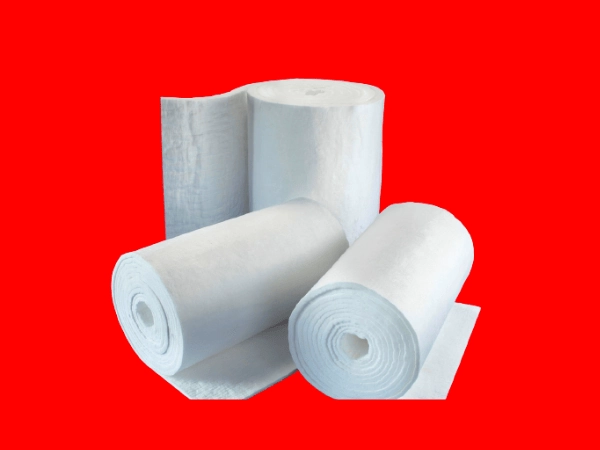
Materials such as mineral wool, calcium silicate, ceramic fibre, and cellular glass are each developed for different operating environments. Choosing between them isn't about selecting the highest-rated material; it's about matching performance to the conditions the insulation will face throughout its service life.
When Industrial Insulation Stops Performing as Expected
Industrial insulation rarely fails overnight. In most facilities, its condition changes so gradually that the loss in performance isn't noticed until maintenance costs or energy consumption begin to rise. Moisture finds its way beneath damaged cladding, insulation becomes compressed after repeated access, or sections removed during maintenance are never fully restored. None of these issues stops production, which is why they often remain unnoticed for long periods.
By the time the impact becomes noticeable, the insulation has usually been underperforming for quite some time. The change is gradual, so it's rarely linked to a single event or shutdown. That's one reason regular inspections remain an important part of maintaining energy efficiency in industries, where even small losses can continue unnoticed for months. Catching worn or compromised insulation early is usually simpler than correcting the long-term effects of unnecessary heat loss.
Choosing the Right Industrial Insulation Matters
The question isn't which insulation material performs best. It's which one makes sense for the job. A steam line, a furnace, and a storage tank may all operate at elevated temperatures, but the conditions around them are rarely the same.
Exposure to moisture, physical damage, maintenance access, and operating cycles all influence how well an insulation system performs over time.
In practice, material selection is rarely based on temperature alone. A maintenance team may need insulation that can be removed and refitted without damage.
In other parts of the plant, moisture resistance may be the primary concern. These practical considerations usually dictate the final choice, varying from system to system within the same facility.
A Small Detail That Makes a Big Difference
Industrial insulation isn't the most visible part of an operation, and that's probably why it's easy to overlook. Most of the time, attention stays on the equipment itself, while the insulation around it is expected to keep doing its job without much thought. Yet when its condition begins to change, the effects eventually show up elsewhere, in higher operating costs, inconsistent process temperatures, or maintenance issues that weren't there before.
The condition of industrial insulation often goes unnoticed until something else draws attention to it. It might be higher fuel consumption, uneven process temperatures, or insulation that has been damaged and never properly reinstated after maintenance. By then, the system has usually been operating below its best for some time.
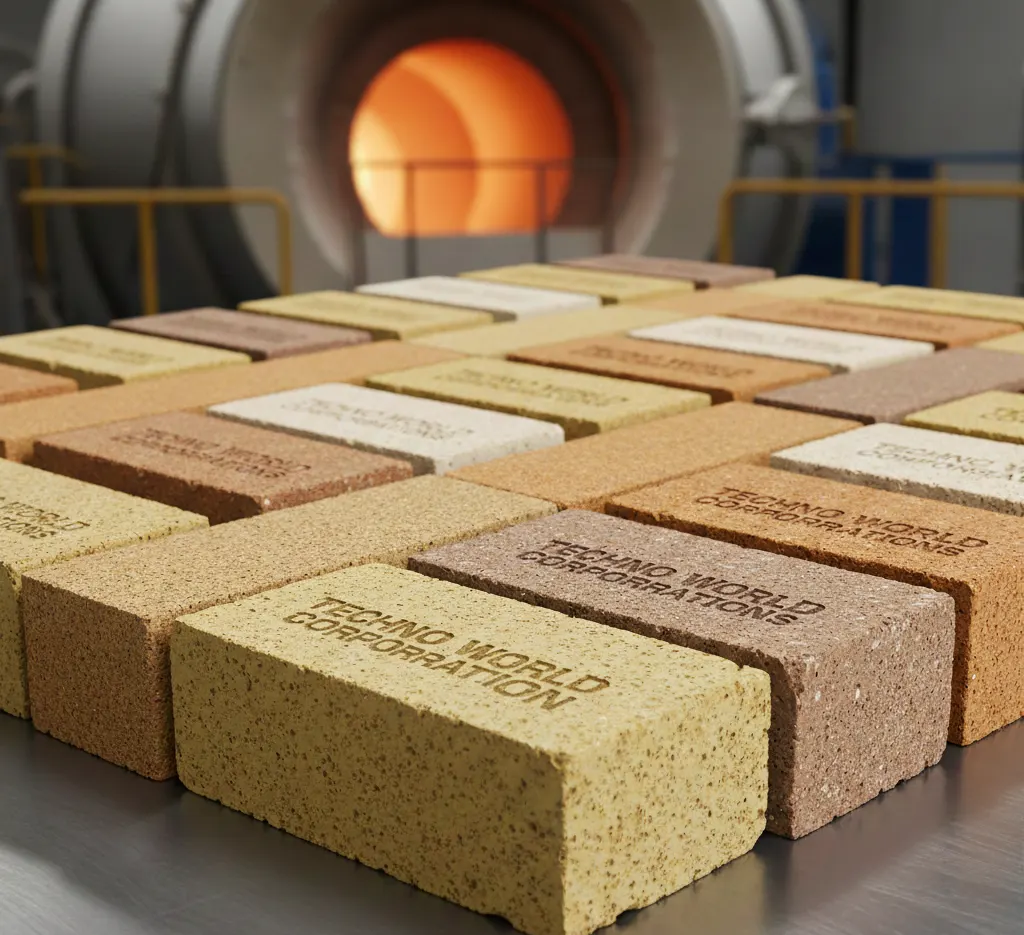
If you're planning a new installation or upgrading an existing one, selecting insulation that suits the operating conditions is just as important as maintaining it throughout its service life. At Techno World Corporation, we provide industrial insulation solutions designed for reliable thermal performance across a wide range of industrial applications.
Popular Posts