Bentonite Manufacturers in India: Grades, Uses and How to Choose
Two bentonite orders can look identical on paper and behave very differently in the plant. One binds foundry sand the way your moulding line expects. The other forces a change to your mix. The difference lies in grade, processing and consistency, which is why a buyer’s first job when approaching bentonite manufacturers in India is to describe the application before asking for a price.
This guide provides a practical framework for selecting a reliable production partner. It covers the primary bentonite grades, key industrial applications, and the essential technical criteria that separate a supplier capable of meeting your exact specification from one who merely provides a basic quote.
What Bentonite Is, in Practical Terms
Bentonite is a clay mineral whose main content is montmorillonite, which gives it swelling and absorption properties. The product page also describes it as thixotropic, meaning it behaves like a fluid under shear and regains a solid form when left standing, and notes a high cation exchange capacity.
Those three properties, swelling, absorption and thixotropy, explain most of the industrial uses below. When you describe your application to a supplier, you are really describing which of these properties your process depends on.
Sodium and Calcium Grades
Our companion article explains that sodium and calcium bentonite behave differently, and that their commercial uses differ as well. A sodium bentonite may suit applications where swelling and sealing properties matter. A calcium bentonite may suit applications where a non-swelling grade is more appropriate.
For a buyer, the practical step is to name the property you need and let the supplier propose the grade. Asking for “sodium bentonite” because a previous supplier used the term can lock you into a grade that was chosen for a different process.
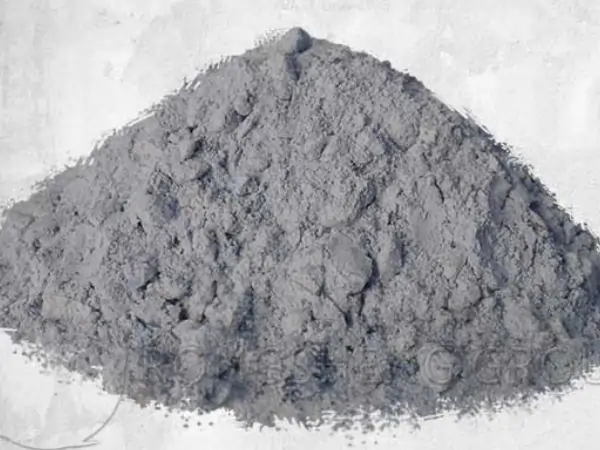
Grade is only one dimension. Bentonite can be supplied as processed clay, as granules or as finely ground powder, depending on your process. Techno World also lists red bentonite clay powder among its products. State the form you want in your enquiry, because a granule and a powder will not feed or mix the same way.
Where Bentonite Is Used
The industries below are those named on Techno World’s own pages.
Foundries
The product page explains that bentonite is blended with sand to make molds for casting metals. For a foundry, the questions to put to a manufacturer concern bonding behaviour, consistency from lot to lot and the grade recommended for your sand system.
Drilling
The same page describes bentonite’s water-absorbing and expanding behaviour as useful in drilling mud for oil and gas wells. Our companion article also lists drilling among the main uses. Ask a supplier which grade it recommends for your fluid system and how it checks viscosity-related behaviour.
Iron Ore Pelletisation
The companion article names pelletisation among bentonite’s industrial uses. For a steel or pellet plant, consistency and fineness are the properties to discuss.
Construction and Sealing
The companion article also lists construction and sealing among the uses. For civil and sealing work, ask about the grade’s swelling behaviour and how the material should be stored and handled.
Other Uses
The product page also mentions cosmetic formulations, where bentonite’s thickening and absorbent characteristics are used, and notes that its cation exchange capacity suits settings where heavy metals and other contaminants need removing.
A manufacturer who serves several of these industries should be able to explain why different applications call for different grades and preparations. A manufacturer who offers one grade for everything deserves more questions.
What to Check in a Bentonite Manufacturer
Our companion article lists the properties that influence performance: particle size, moisture, swelling behaviour and other application-related characteristics. Use them as the backbone of your enquiry.
Grade and Form
Which grade does the supplier recommend for your process, and in what form will it be supplied?
Specification
Ask for the specification the material will be supplied against, including particle size, moisture and swelling behaviour. Compare it with your own requirements line by line.
Consistency
Ask how the supplier keeps batches within specification. Our companion article notes that bentonite can vary in mineral composition and performance depending on source and processing, so consistency from batch to batch is the property that keeps an industrial supply going.
Processing Capability
Bentonite from a mine is not necessarily ready for your process. It may need drying, grinding, activation or sizing. Ask which of these steps the supplier carries out and how.
Packaging
Agree how the material will be packed and labelled so your receiving team can check grade and batch on arrival.
Supply reliability
Ask about lead times, the quantities available and how the supplier handles a repeat order.
Technical support
Ask who you will speak to if the material does not behave as expected in your plant.
How to Run a Sensible Trial
Before changing a bentonite supplier on a production line, plan a trial.
- Agree a specification in writing with the supplier before any material ships.
- Order a small quantity for trial use.
- Run the trial under normal operating conditions and record the results against your current material.
- Ask the supplier to explain any difference you see.
- Repeat with a second lot to check consistency.
Record the lot number of every trial, so you can trace results back to the material if questions arise.
Questions to Put in Your Enquiry
A good enquiry makes it easy for a manufacturer to help. Include:
- The industry and process the bentonite will be used in
- The property that matters most, such as bonding, swelling or sealing
- The form you want: clay, granules or powder
- The quantity for a trial and the expected annual volume
- The packaging you prefer
- Your delivery location and timing
Techno World Corporation’s product page states that it offers customisation to help clients reach optimal performance, so describe any special requirement in your enquiry.
Sourcing from Gujarat
Gujarat and Rajasthan are particularly important to the domestic bentonite trade, and Gujarat's Kachchh and Bhavnagar districts hold commercial reserves. Techno World Corporation is based in Gujarat.
Location can make visits and sampling easier to arrange, but it does not replace the checks above. Judge any supplier by its specification, its consistency and the answers it gives.
Contact Techno World Corporation
To discuss your bentonite requirement, visit our contact page and tell us your application and quantity.
Popular Posts