Why Prefer Refractory Bricks for Cement Kiln Under Extreme Heat
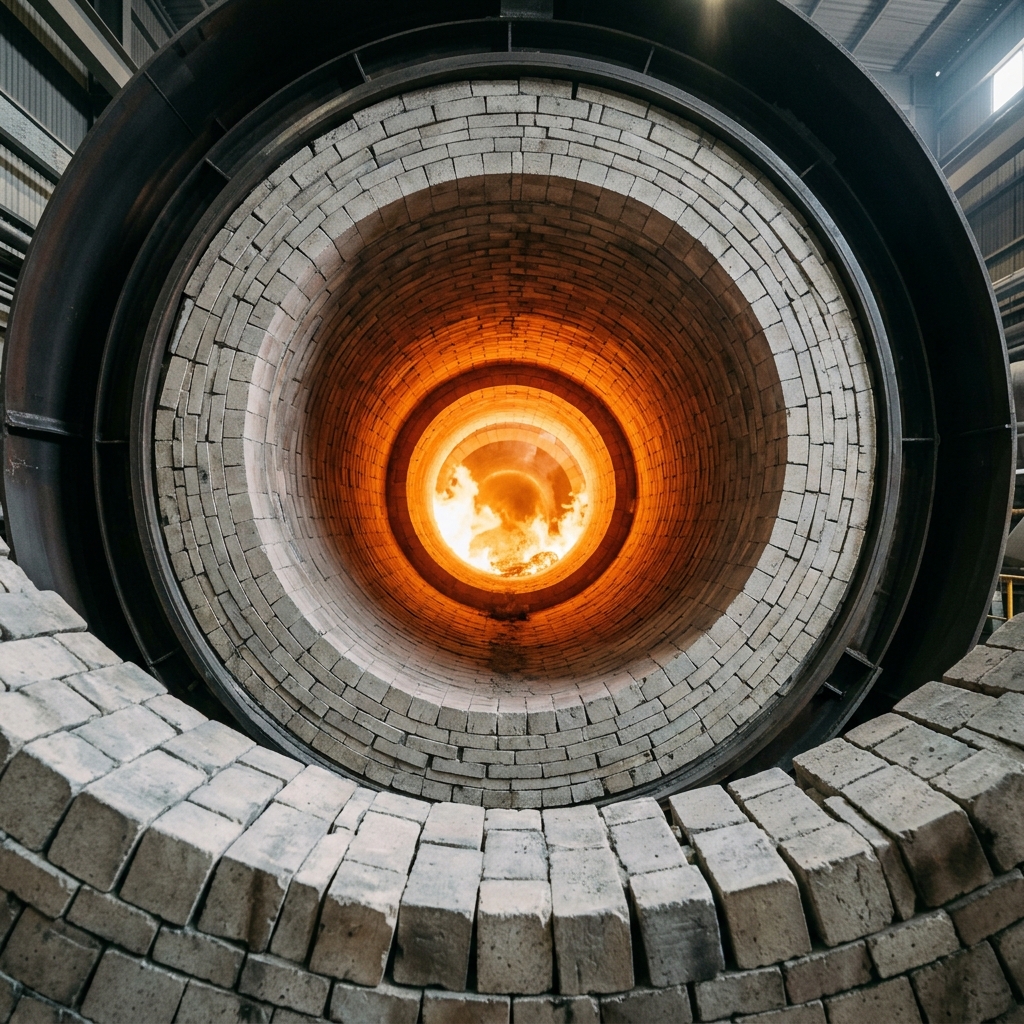
Rotary kilns destroy weak refractory linings fast. Inside the burning zone, temperatures regularly cross the clinkering threshold near 1,450°C while alkaline gases, abrasive raw feed, and constant rotation attack the lining from every direction.
Once refractory failure begins, shell warping and coating collapse usually follow behind it. That shutdown is expensive.
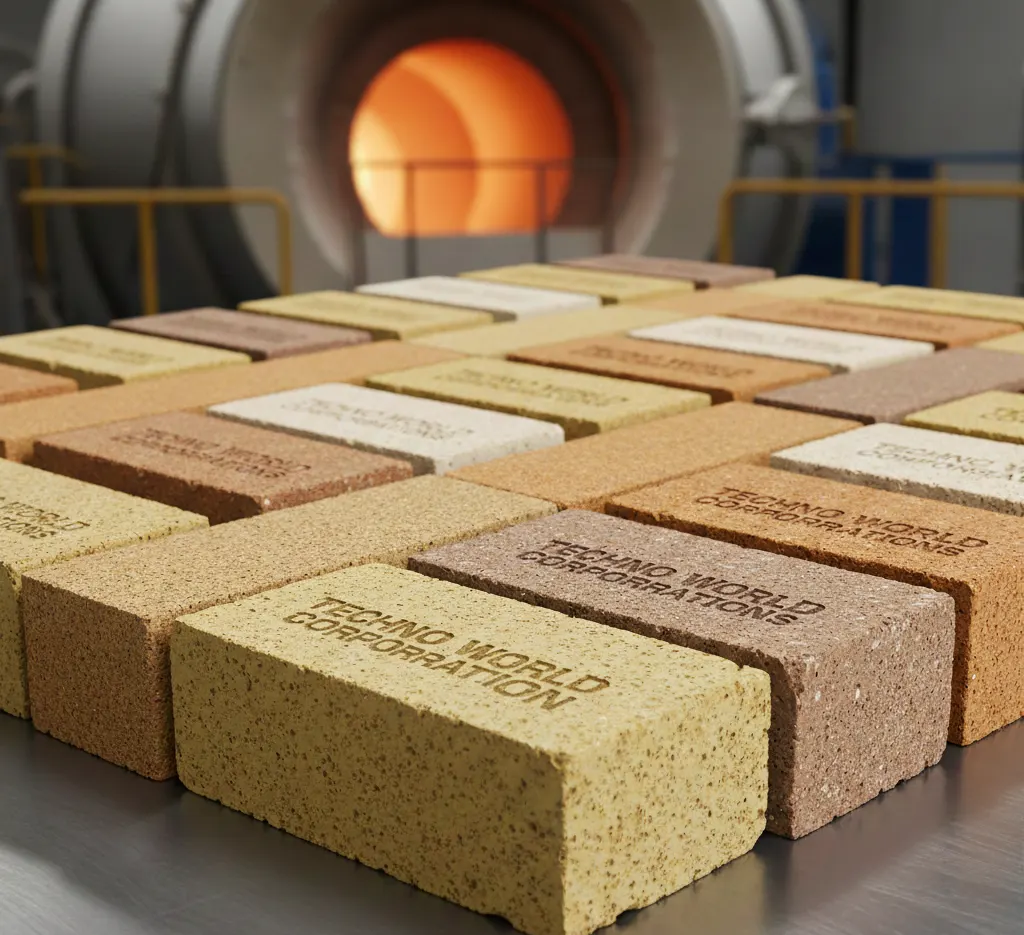
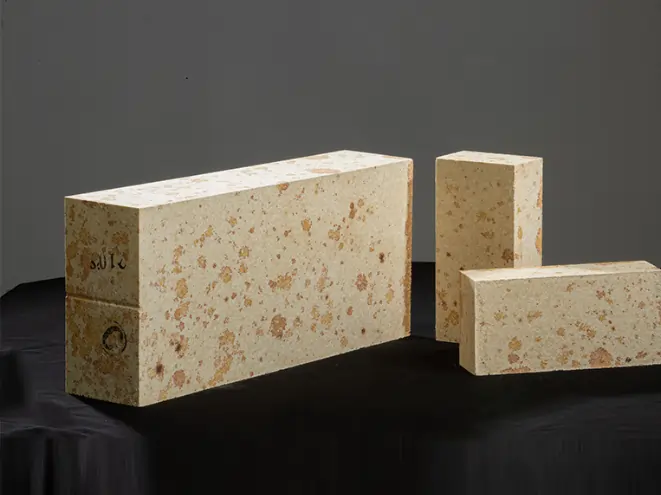
Techno World Corporation supplies refractory bricks for cement kilns operating under sustained thermal and chemical stress where lining stability directly affects production continuity.
Reasons Why You Should Prefer Refractory Bricks for Cement Kiln Under Extreme Heat
1. Heat Load Is Only Half the Problem
Thermal shock kills kiln linings.
During startup and shutdown cycles, refractory surfaces expand and contract unevenly across different kiln zones. Low-grade bricks begin developing surface cracks first. Then comes structural spalling. Once the hot face opens, heat transfer toward the shell increases rapidly and steel deformation risks start climbing.
High-alumina and magnesia-based refractories survive longer because their matrix structure maintains dimensional stability under sustained flame impingement and rotational stress.
2. Alkaline Attack Changes Everything
Cement chemistry is aggressive.
Alkaline compounds, clinker liquid phases, and volatile gases continuously react with refractory surfaces inside the burning zone. Standard fireclay materials degrade quickly here.
Magnesia-spinel matrix refractories perform better because they resist chemical penetration while supporting coating stability along the kiln interior.
That coating layer matters more than many operators realize. Stable clinker coating acts as a protective thermal shield between direct flame exposure and the refractory surface. Once coating instability begins, brick wear accelerates sharply.
3. Rotation Creates Mechanical Failure Points
Rotary kilns never stop moving. The lining handles crushing pressure, twisting loads, abrasive feed movement, and repeated thermal cycling simultaneously.
Weak compressive strength eventually causes brick displacement around the tyre sections and transition zones.
Kiln Zone Failure Risks
| Brick Type | Failure Risk if Wrong Material Is Used | Ideal Zone |
|---|---|---|
| Magnesia-Based | Severe alkaline erosion and coating instability | Burning Zone |
| High Alumina | Structural cracking under thermal cycling | Transition Zone |
| Fire Clay | Rapid wear and insulation loss | Preheating Zone |
Kiln Campaign Life Depends on the Brick Beneath the Coating
Once coating starts dropping, brick wear accelerates fast.
Techno World Corporation works with cement plants where refractory failure means lost production hours, unstable kiln operation, and rising shell temperatures. Our team studies burning zone conditions, coating behavior, and thermal load patterns before recommending any refractory combination for the kiln.
Popular Posts