Difference Between Fireproof Brick and Regular Brick Explained
Regular clay bricks usually explode when installed in high temperature settings. Exposure to 1000°C initiates rapid moisture expansion, uneven thermal gradients, and internal stress fractures. This results in exceeding the material’s tensile limits, resulting in violent spalling and structural disintegration within minutes.
Industrial furnaces do not forgive material shortcuts. Engineers asking why is fire proof brick different then regular brick already understand that failure begins at the microstructure level, where porosity, mineral composition, and uncontrolled vitrification in standard bricks create unpredictable thermal expansion coefficients and catastrophic instability under sustained heat loads.
Fireproof vs Regular Bricks: Where Structural Integrity Fails
Regular bricks don’t fail evenly. One section expands faster, another holds back, and that mismatch creates internal stress you don’t see until a spalling occurs during operation.
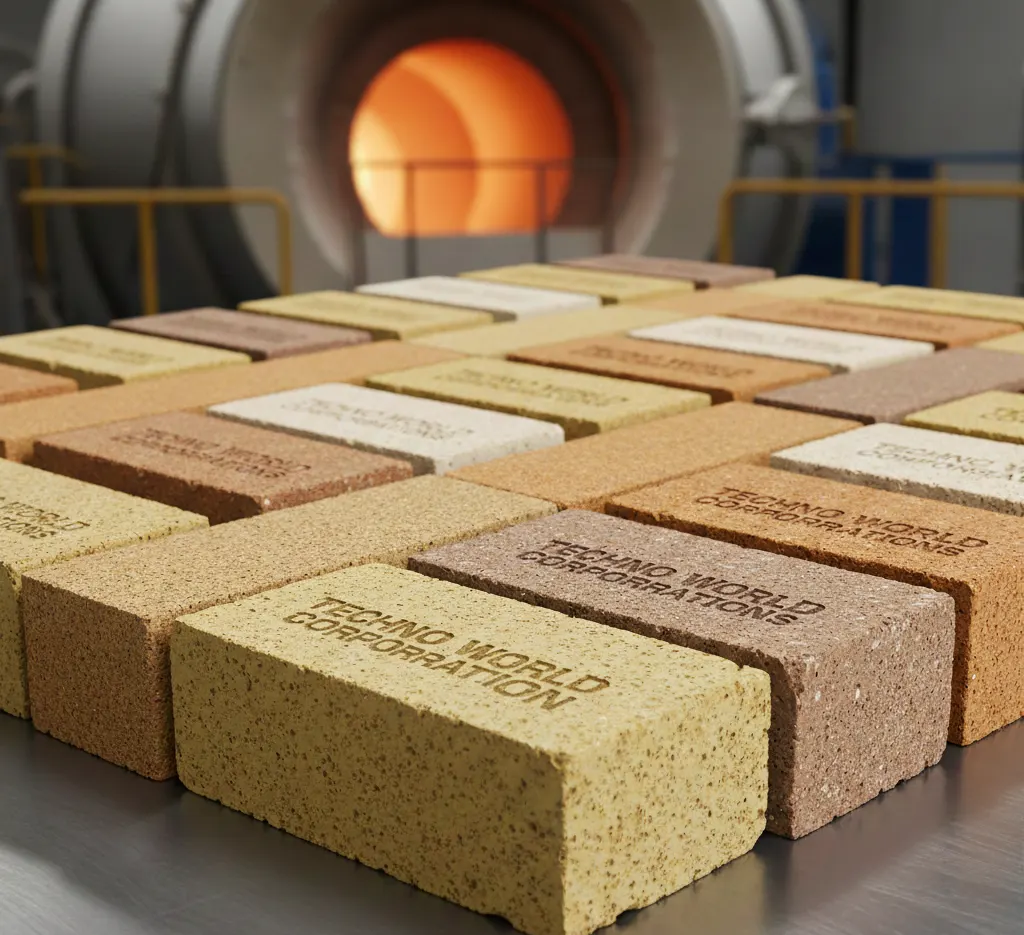
Fire proof bricks behave more predictably. They still degrade as no material is permanent. However, the expansion stays controlled because of the alumina-silicate ratio and proper sintering temperature, so you don’t get that sudden, ugly failure.
Chemical Distinctions (Not Just Lab Talk)
- Alumina-Silicate Ratio: High alumina content ensures dimensional stability. Low-grade bricks start losing edges once vitrification goes uncontrolled.
- Sintering Temperature: You can tell when bricks are under-fired. They feel fine initially, then soften faster than expected.
- Thermal Expansion Coefficient: Uniform expansion saves structures. Uneven expansion tears them apart slowly.
- Spalling Resistance: Good bricks absorb shock. Lower-quality bricks are prone to severe flaking and spalling.
Heat Behavior Inside the Furnace
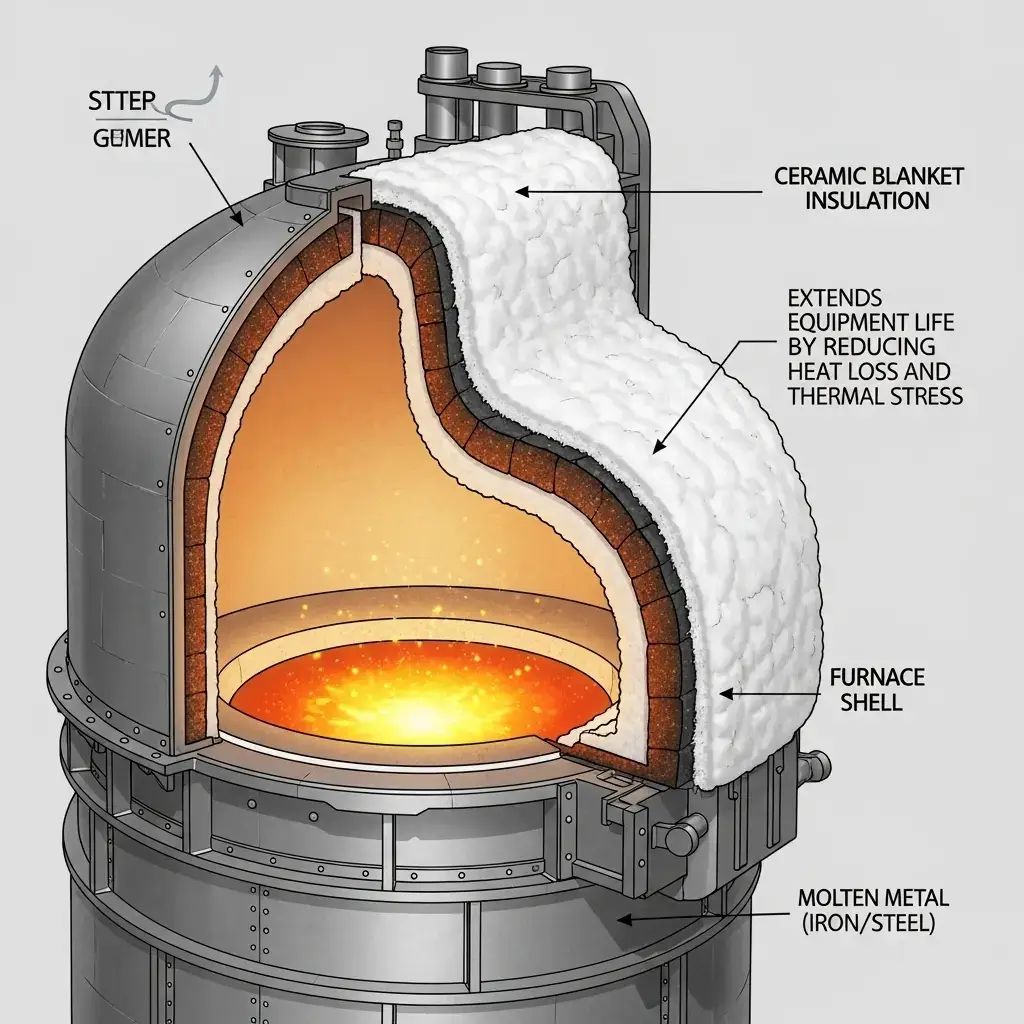
Thermal energy does not remain contained. With regular bricks, you’ll notice temperature drops or hotspots because the material isn’t holding energy properly.
Fire resistance bricks manage heat better. Not perfectly, but the density and vitrification are controlled enough that thermal loss stays limited and the system runs more stable over time.
What We’ve Seen in Bad Installations
Inconsistent batches are the worst. Same supplier, same order, but different behavior across the lining because density or firing wasn’t uniform.
Refractory-grade bricks provide operational consistency. That consistency matters more than specs on paper, because once the furnace runs, variation shows up fast and usually in the worst possible spot.
Sourcing is a Strategic Investment
Cheap material always looks fine at delivery. Problems show up later, usually after thermal cycling starts stressing the structure.
Reliable refractory bricks manufacturers in India control the basics well. Raw material, firing cycle, density, prioritizing consistency over aesthetic appeal that prevents early failure in fire resistance bricks.
Quick Comparison Snapshot
| Parameter | Regular Bricks | Fireproof Bricks |
|---|---|---|
| Heat Response | Uneven expansion | Controlled expansion |
| Sintering | Inconsistent firing | High-temperature sintered |
| Composition | Variable | Controlled alumina-silicate ratio |
| Spalling | Prone to cracking | High resistance |
| Heat Retention | Poor | Efficient |
| Failure Pattern | Sudden | Gradual |
Final Engineering Perspective
Good bricks don’t come from chance. They come from controlled raw material, proper firing, and batches that behave the same way every time under heat.
That’s usually where the difference shows. Reliable refractory bricks manufacturers in India don’t try to fix problems later, they control alumina content, sintering temperature, and density from the start so the fire resistance bricks hold up when the system is actually running.
Popular Posts