A Guide to Refractory Bricks: Types, Properties, and Applications
Every refractory lining is designed around service conditions, not temperature alone. Slag chemistry, thermal cycling, abrasion, operating load, and fuel type all influence how long a lining will last.
That is why experienced engineers compare the types of refractory bricks before specifying a material for furnaces, kilns, boilers, or reactors. A best-suited selection improves reliability, while the wrong one often leads to unplanned shutdowns, frequent repairs, and avoidable production losses.
What Are Refractory Bricks?
A refractory brick is expected to do one thing every day without fail, survive conditions that would break ordinary materials.
Inside a kiln or furnace, temperatures are only part of the challenge. Molten slag, corrosive gases, sudden temperature changes, and constant mechanical stress all work against the lining. Refractory bricks are manufactured to withstand those conditions while protecting equipment, reducing heat loss, and extending service life.
Types of Refractory Bricks
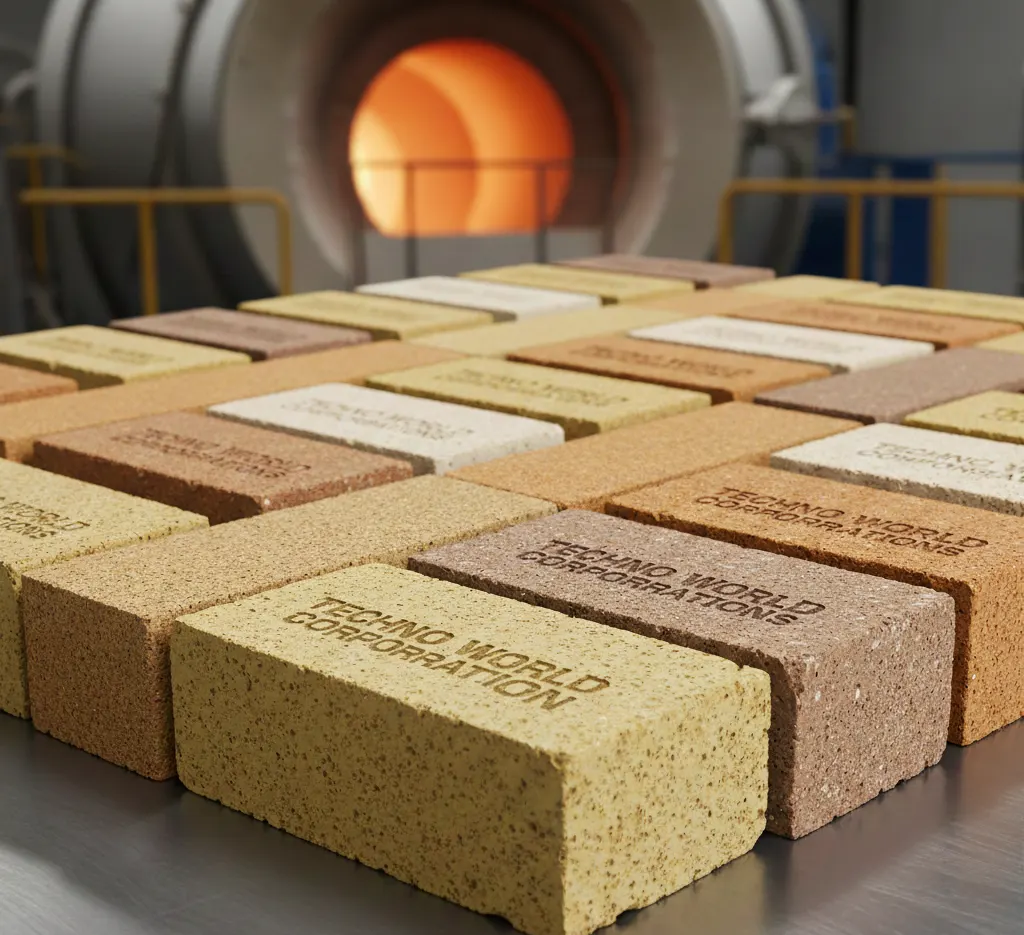
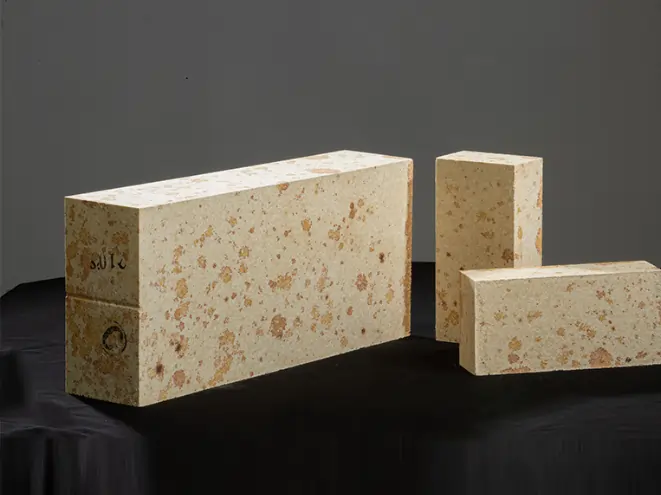
No refractory brick performs equally well in every operating environment. The material that delivers years of service inside a glass furnace may deteriorate quickly in a steelmaking unit. Composition, operating temperature, and process chemistry ultimately determine the right choice. The most widely used categories include fireclay, high alumina, silica, magnesite, chromite, zirconia, and insulating refractory bricks, each developed to solve a different thermal challenge.
1. Fireclay Bricks
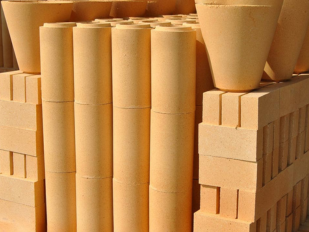
Not every furnace operates under extreme conditions. For moderate-temperature applications, fire clay bricks remain a dependable and economical choice. Their balanced strength and thermal stability make them a common lining material for boilers, ceramic kilns, chimneys, and heat-treatment furnaces.
2. High Alumina Bricks
As furnace temperatures rise, material performance becomes far less forgiving. High alumina bricks are preferred where conventional refractories can no longer maintain strength. Their resistance to heat and wear makes them well suited for steel plants, cement kilns, and blast furnaces.
3. Silica Bricks
Where furnaces operate continuously, dimensional stability matters as much as heat resistance. That is where silica bricks have earned their reputation. They withstand prolonged exposure to elevated temperatures without losing shape, making them a long-standing choice for coke ovens, glass furnaces, and hot blast stoves.
4. Magnesite Bricks
Basic slags quickly damage many refractory materials, but magnesite bricks are designed for exactly those environments. Rich in magnesium oxide, they are widely installed in steel converters, electric arc furnaces, and non-ferrous metal processing plants.
5. Chromite Bricks
Chromite bricks combine excellent chemical stability with resistance to thermal shock. They are commonly selected for sections of industrial furnaces where both acidic and basic slags may be present during demanding production cycles.
6. Zirconia Bricks
Very few refractory materials remain stable once temperatures move into the extreme range. Zirconia bricks are reserved for those demanding environments. Their exceptional resistance to heat and chemical attack makes them suitable for glass melting units, high-temperature reactors, and specialized metallurgical processes.
7. Insulating Refractory Bricks
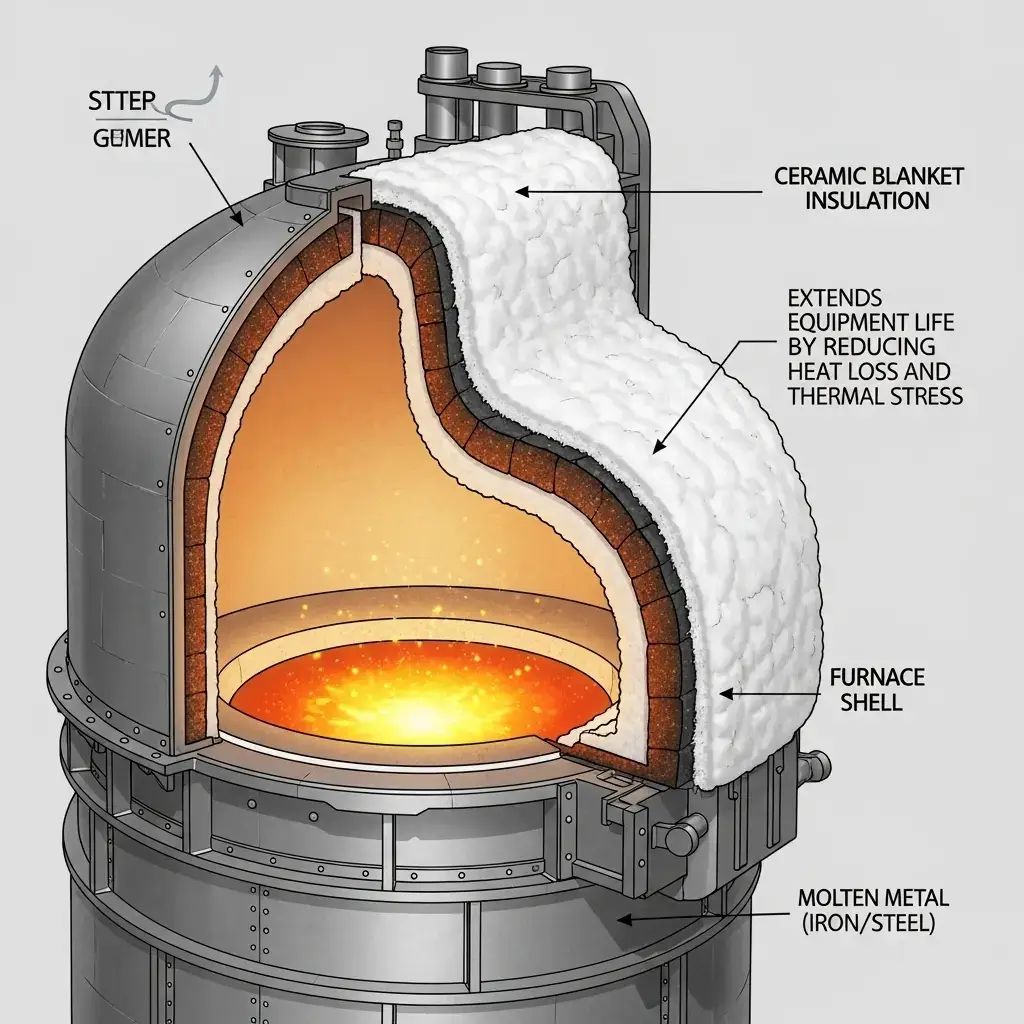
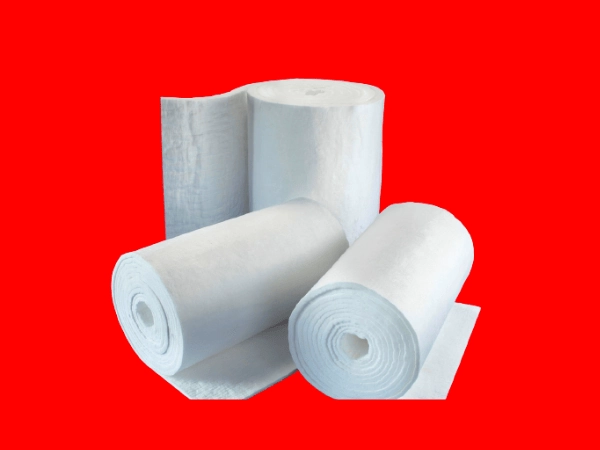
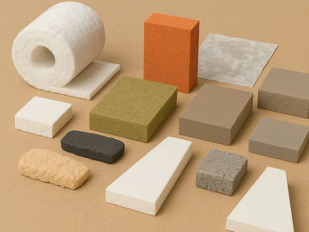
Not every refractory lining is expected to carry heavy loads. Some are installed simply to keep heat inside the system. High temperature refractory bricks developed for insulation reduce heat loss, improve furnace efficiency, and support dense refractory linings without adding unnecessary weight.
Industrial Applications of Refractory Bricks
Every high-temperature process has its own demands. The lining inside a cement kiln is expected to survive a different environment than the one protecting a glass furnace or steel ladle. That is why the industrial refractory bricks selection always begins with the process, not the plant.
Steel Manufacturing
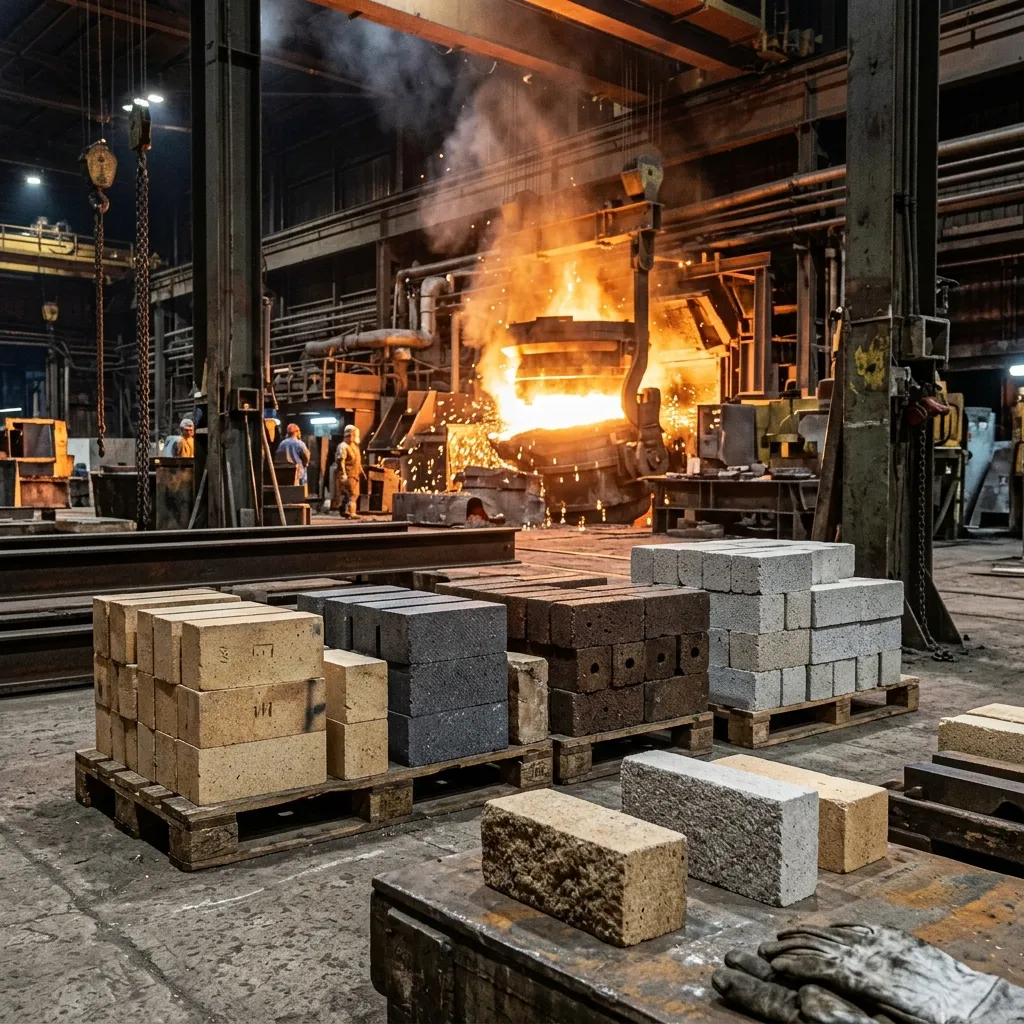
No lining lasts forever inside a steel plant. Molten steel, aggressive slags, and repeated charging gradually wear away the refractory surface. Plants rely on carefully selected materials to extend campaign life and reduce the frequency of relining.
Cement Production
A rotary kiln exposes its lining to constant abrasion while temperatures fluctuate across different zones. Refractories must tolerate both mechanical wear and chemical attack without interrupting clinker production.
Glass Manufacturing
Glass furnaces often remain in operation for months without cooling down. Under those conditions, even minor distortion inside the refractory lining can affect production. Dimensional stability becomes just as valuable as heat resistance.
Power Plants
Boilers, incinerators, and combustion chambers operate under continuous thermal loading. Refractory linings protect steel shells from excessive heat while helping the system retain energy that would otherwise escape.
Petrochemical Processing
Process heaters, reformers, and cracking units expose refractory materials to high temperatures alongside corrosive gases. The right lining reduces maintenance demands and supports reliable operation between scheduled shutdowns.
How to Choose the Right Refractory Bricks for High-Temperature Industries
A refractory that performs well in one furnace can fail surprisingly fast in another. Before making a selection, look beyond the temperature rating and consider how the equipment actually operates.
Start with the Process
Every process creates a different environment. A cement kiln, glass furnace, and steel ladle place completely different demands on the refractory lining, even when operating temperatures appear similar.
Know What Attacks the Lining
Heat is only one source of wear. Slag chemistry, abrasive materials, corrosive gases, and repeated thermal cycling often determine how long a lining remains in service.
Avoid Overengineering
Higher-grade materials are not automatically the better option. A refractory that matches the operating conditions usually delivers better value than one selected simply because it withstands higher temperatures.
Ending Note
Every furnace has its own operating demands, and no single refractory brick is suited to every application. The right choice comes from understanding the process, the conditions inside the unit, and the material's performance over time.
Whether you're planning a new installation or replacing an existing lining, selecting the appropriate refractory can improve operational reliability, reduce maintenance, and support consistent production for years to come.
Searching for reliable refractory solutions for your specific industrial operations? Connect with Techno World Corporation for quality refractory products backed by industry expertise and dependable technical support.
Popular Posts