Refractory Bricks for Steel Plants: Selection Factors That Matter
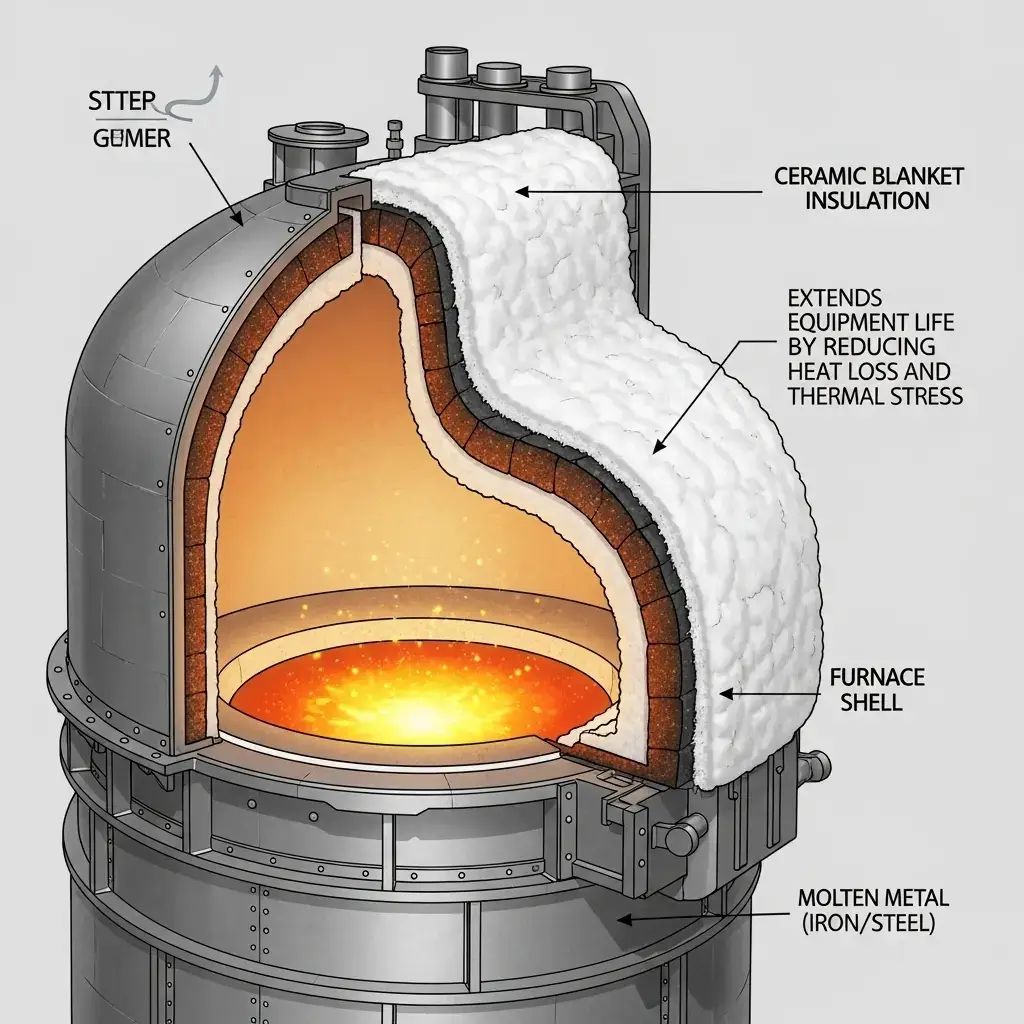
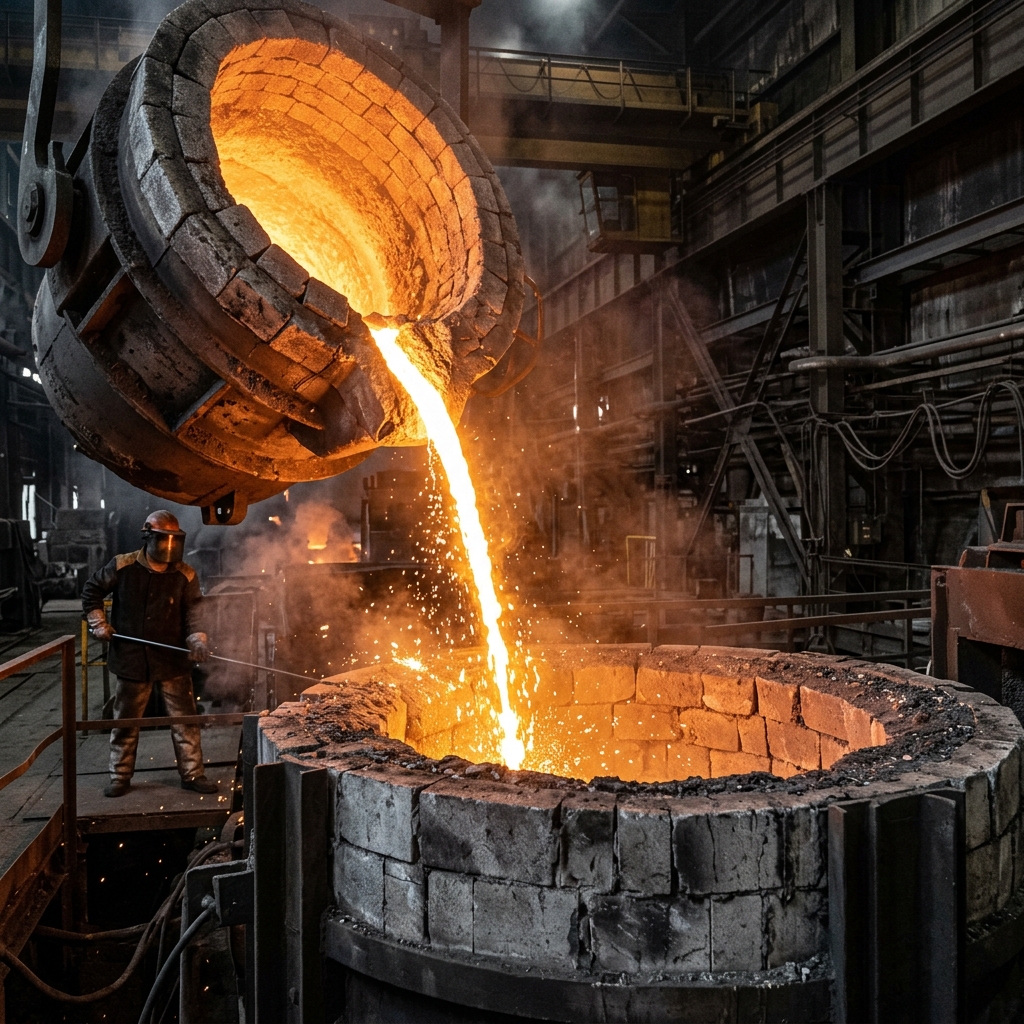
Steel plants destroy weak refractory systems fast. Inside a blast furnace or BOF converter, the lining faces continuous flame impingement, molten slag attack, mechanical abrasion, and thermal cycling severe enough to break low-grade bricks within weeks.
Selecting refractory bricks for steel plant based only on temperature rating is how premature shutdowns begin. Slag chemistry dictates your lining material.
The Furnace Doesn’t Behave Like One System
Not every section inside a steel furnace faces the same conditions. Zones operating above 1,600°C deal with continuous heat load, while slag-contact areas are exposed to gradual chemical attack during production cycles.
Because of that, refractory brick selection usually depends on the operating environment itself. Materials that perform well in one section may wear much faster in another once steelmaking conditions become aggressive.
Abrasion Damage Starts from the Charging Side
Raw material charging generates constant impact friction inside the throat and stack areas. Mechanical hardness matters more here than ultra-high thermal capacity.
Weak refractory surfaces chip away gradually, increasing apparent porosity and exposing deeper brick layers to heat and gas infiltration.
Most operators notice the problem only after insulation efficiency drops.
Thermal Shock Resistance Is Not Optional
Steelmaking temperatures fluctuate constantly during tapping cycles and charging interruptions. Poor thermal shock resistance causes structural spalling across the hot face of the brick.
Surface cracks expand. Heat penetration increases. Campaign life shortens dramatically.
Low apparent porosity becomes equally important in lower furnace sections because molten metal infiltration destroys refractory structures internally long before external failure becomes visible.
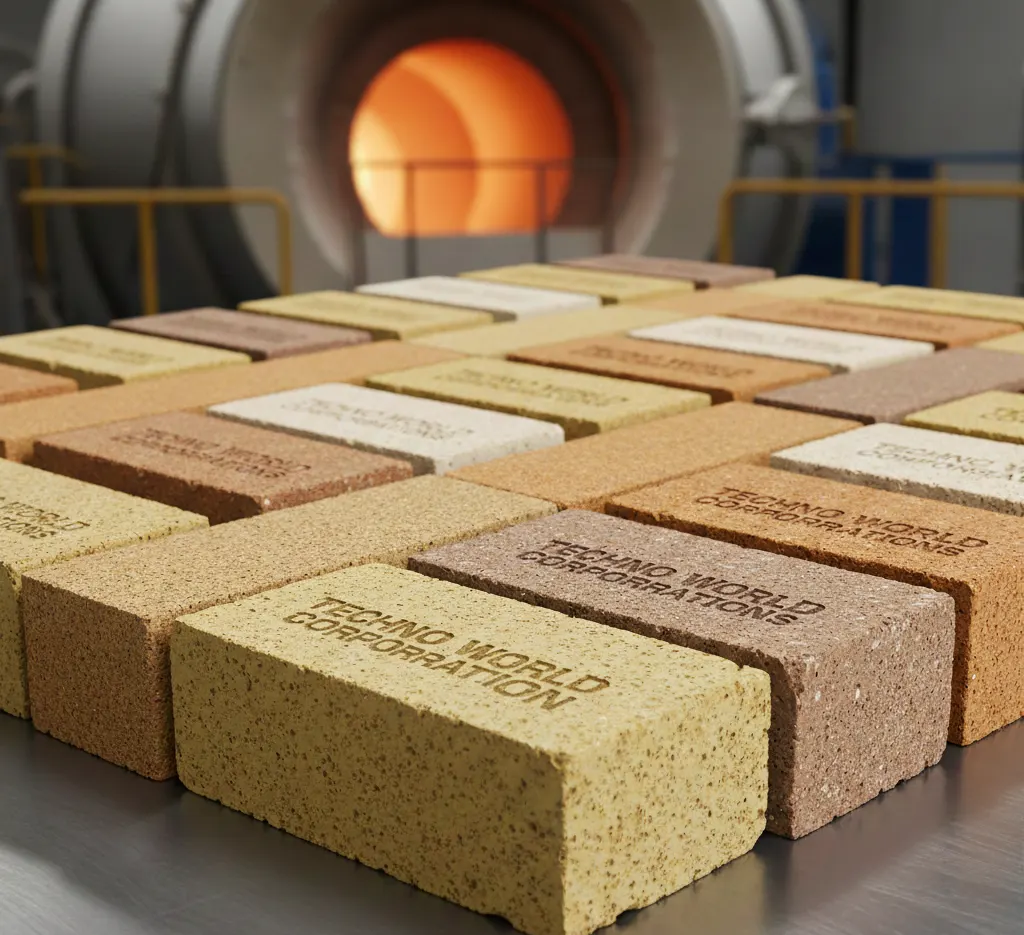
Protect Furnace Performance With Techno World Corporation
Techno World Corporation supplies application-specific refractory solutions engineered for steel plants operating under aggressive thermal and chemical conditions.
Our technical team helps industries select refractory systems based on slag chemistry, operating load, thermal cycling behavior, and furnace zone requirements.
Partner with us to secure longer lining life, stable furnace performance, and reduced shutdown risks.
Popular Posts