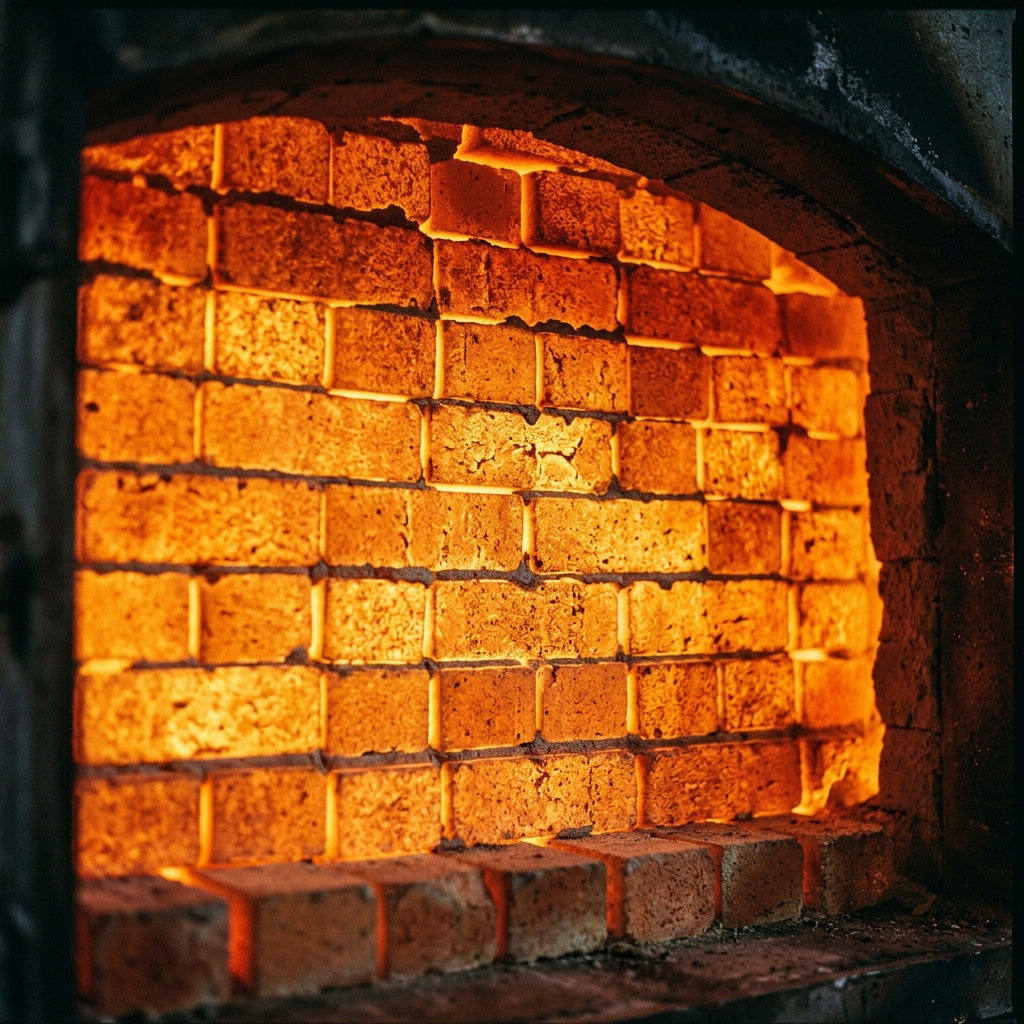
How to Pick the Right Fire Bricks for Furnace Performance
Industrial furnaces fail from the inside first.
Most plant operators notice the damage only after fuel consumption rises, hot spots appear on the shell, or sections of the lining begin structural spalling under continuous thermal load. By then, replacement costs are no longer small.
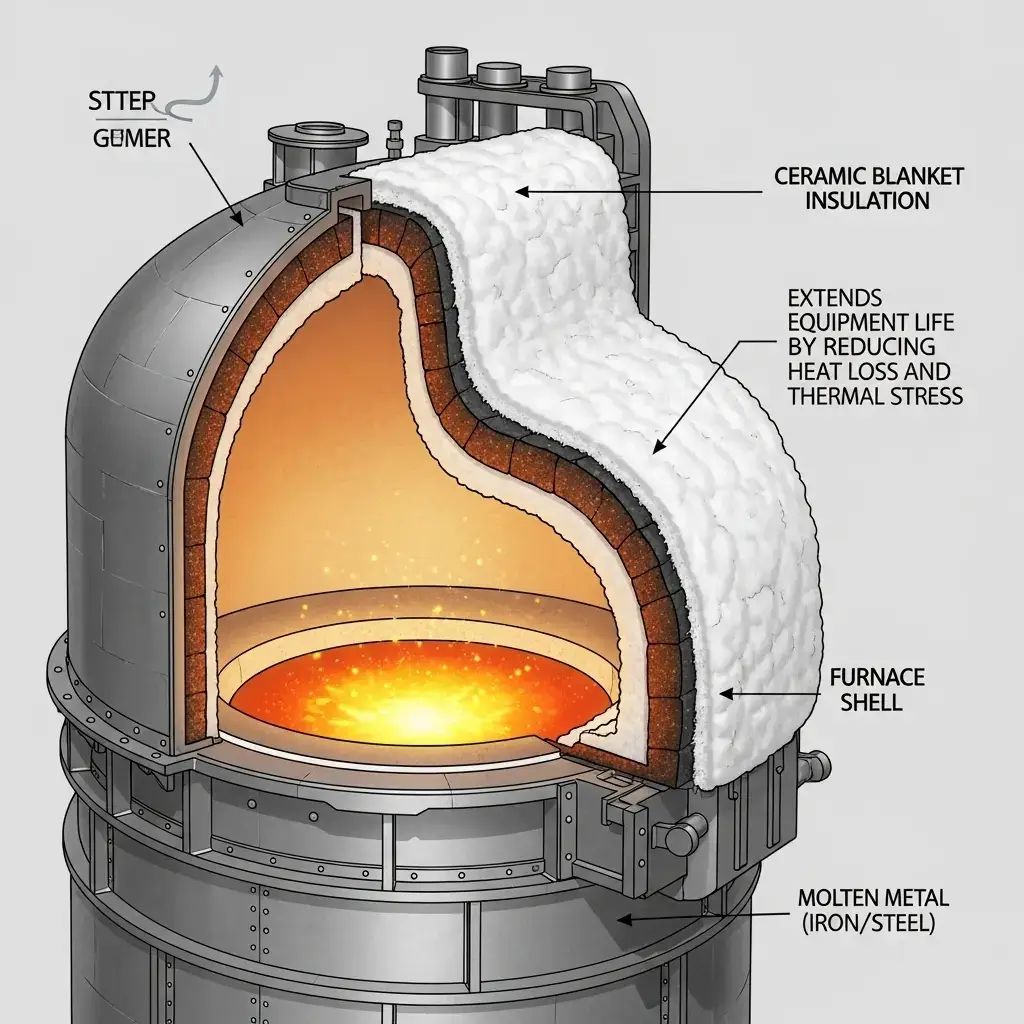
Selecting fire bricks for furnace is not about choosing the material with the highest temperature rating on paper. Furnace conditions are rarely that simple. Flame impingement, slag chemistry, thermal cycling frequency, and porosity levels decide whether the lining survives or starts collapsing under stress.
The Non-Negotiables: Selecting Your Lining
1. Alumina Content
Alumina content isn't a suggestion; it's a limit.
Low-alumina bricks inside high-temperature zones gradually soften once thermal equilibrium exceeds their operational threshold. The result is deformation, edge failure, and eventually lining collapse.
Standard furnace sections may operate safely with 30–40% alumina compositions, but severe-duty zones demand high-alumina refractory structures capable of resisting chemical attack and sustained peak heat.
2. Thermal Shock Resistance
Rapid shutdowns damage weak bricks fast.
A furnace lining continuously expands and contracts during operational cycling. Poor thermal shock resistance creates internal cracking long before visible failure appears on the surface.
Once microfractures develop, heat penetration accelerates and service life drops significantly.
3. Load-Bearing Stability
Dense refractory structures carry weight differently.
Upper lining sections generate constant vertical pressure on lower brick layers. If compression strength falls under peak operating temperature, the bricks begin slumping under load.
That distortion affects burner alignment, heat distribution, and furnace efficiency.
4. Slag and Chemical Resistance
Chemical attacks destroy refractory surfaces slowly, then all at once.
Molten slag, alkali vapors, and corrosive gases penetrate porous brick structures in the long run.
If poor-quality materials are used, remember, they tend to absorb contamination faster, reducing density and weakening structural integrity from within.
Built for Furnace Conditions That Don’t Forgive Mistakes
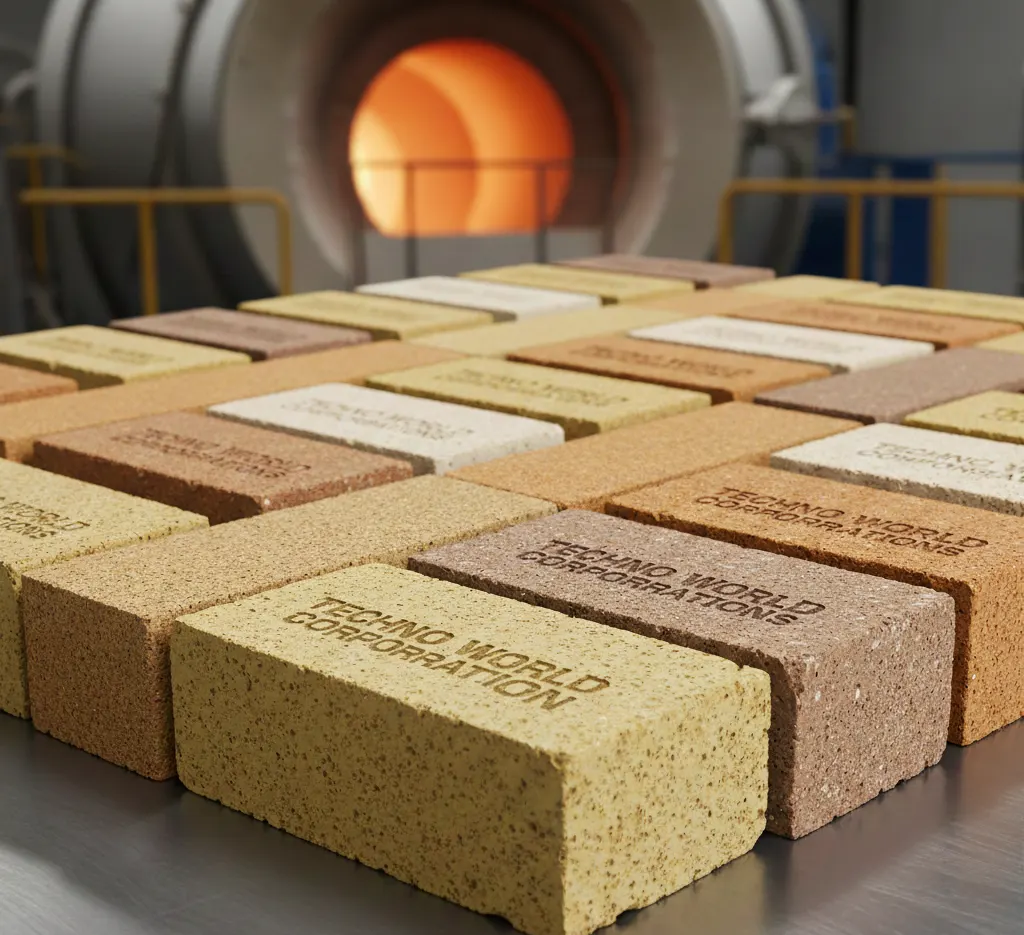
Techno World Corporation works with industries where refractory failure directly affects production schedules, fuel efficiency, and plant safety. We help businesses select fire brick configurations based on actual furnace behavior, operating load, slag chemistry, and thermal cycling conditions.
No generic recommendations. No low-grade shortcuts.
Only refractory solutions engineered for long operational life under sustained industrial heat.
Popular Posts