Fire Bricks for Ceramic Kilns: Understanding Their Types and Applications
Soft bricks are your insulators. Hard bricks are your foundation.
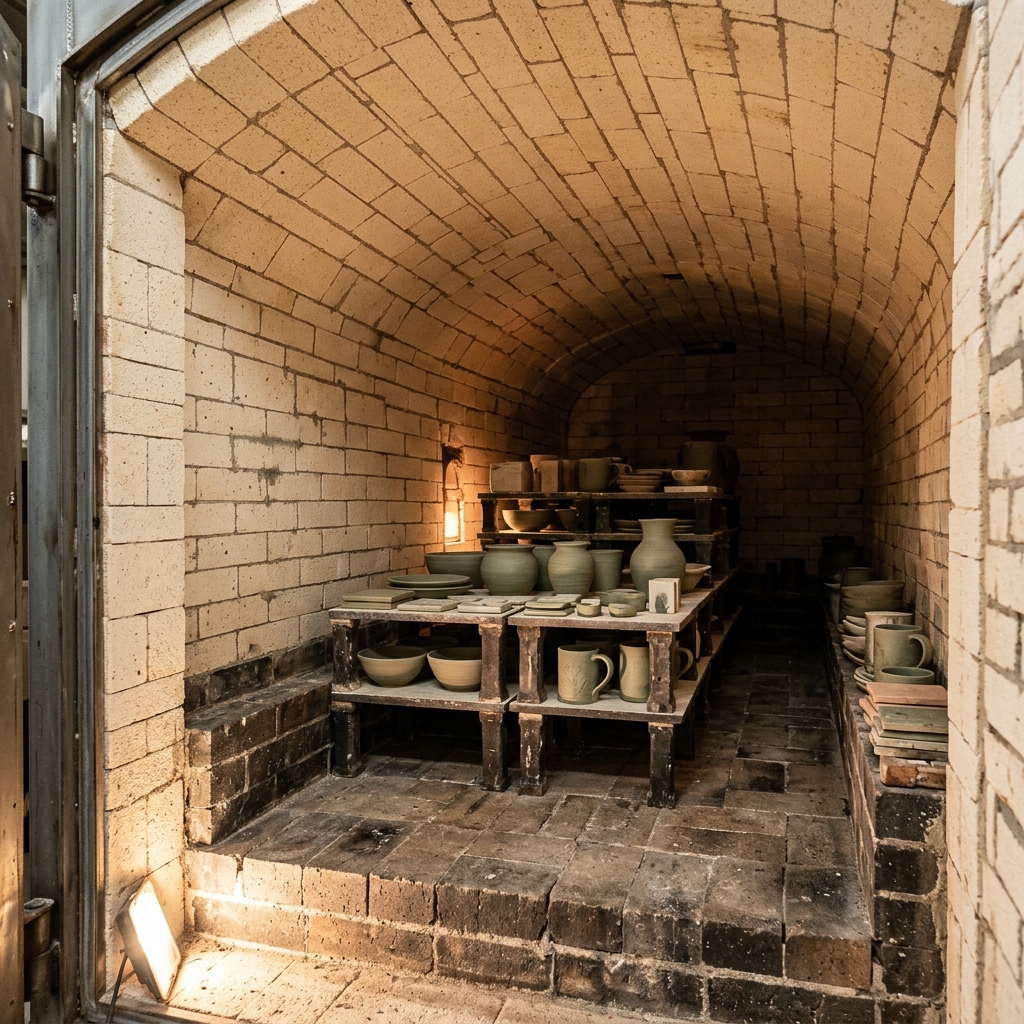
Confusing the two usually ends with cracked kiln floors, collapsing arches, or firing inconsistencies that ruin an entire batch during thermal soak. Ceramic kilns do not forgive poor refractory choices, especially once repeated cone 10 firings and reduction atmosphere cycles start stressing the lining.
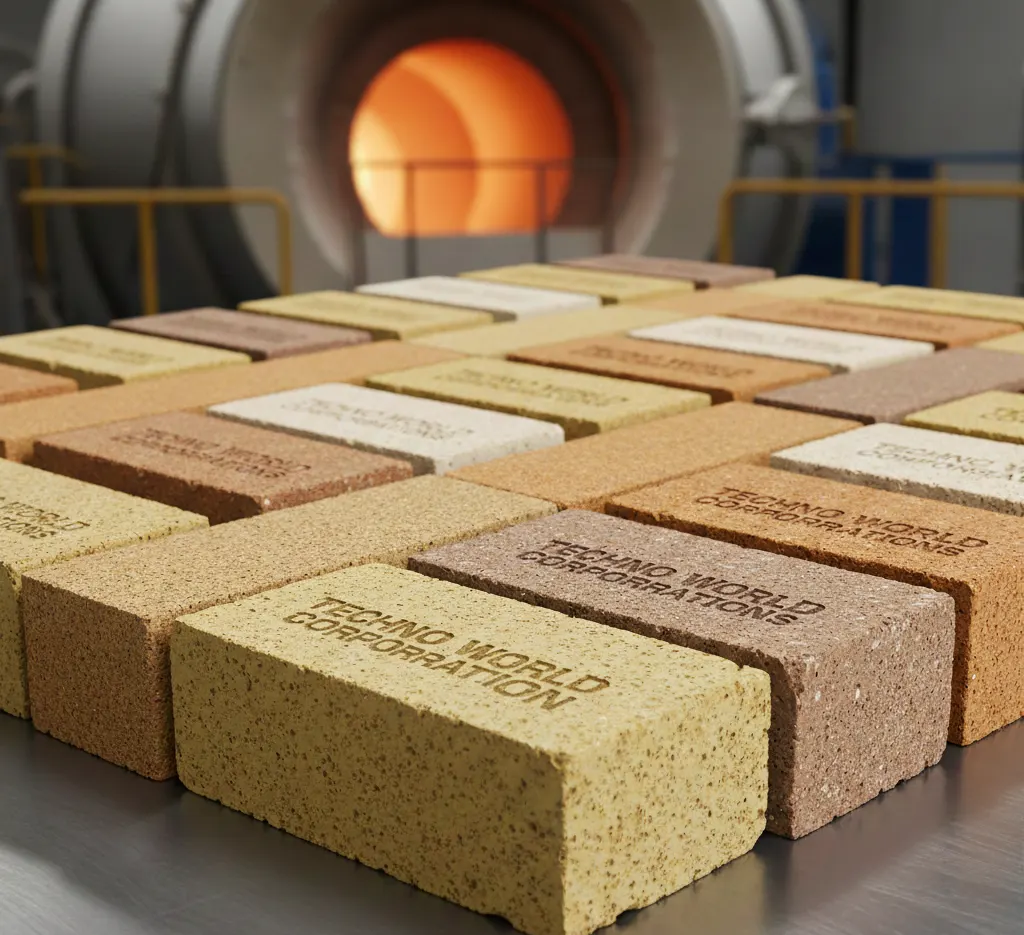
Techno World Corporation works with studio potters, ceramic manufacturers, and kiln builders where firing consistency depends directly on refractory stability and builds premium-grade fire bricks for ceramic kilns.
Key Types of Fire Bricks for Kilns
1. Insulating Fire Brick (IFB) / Soft Brick
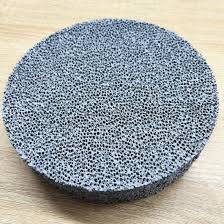
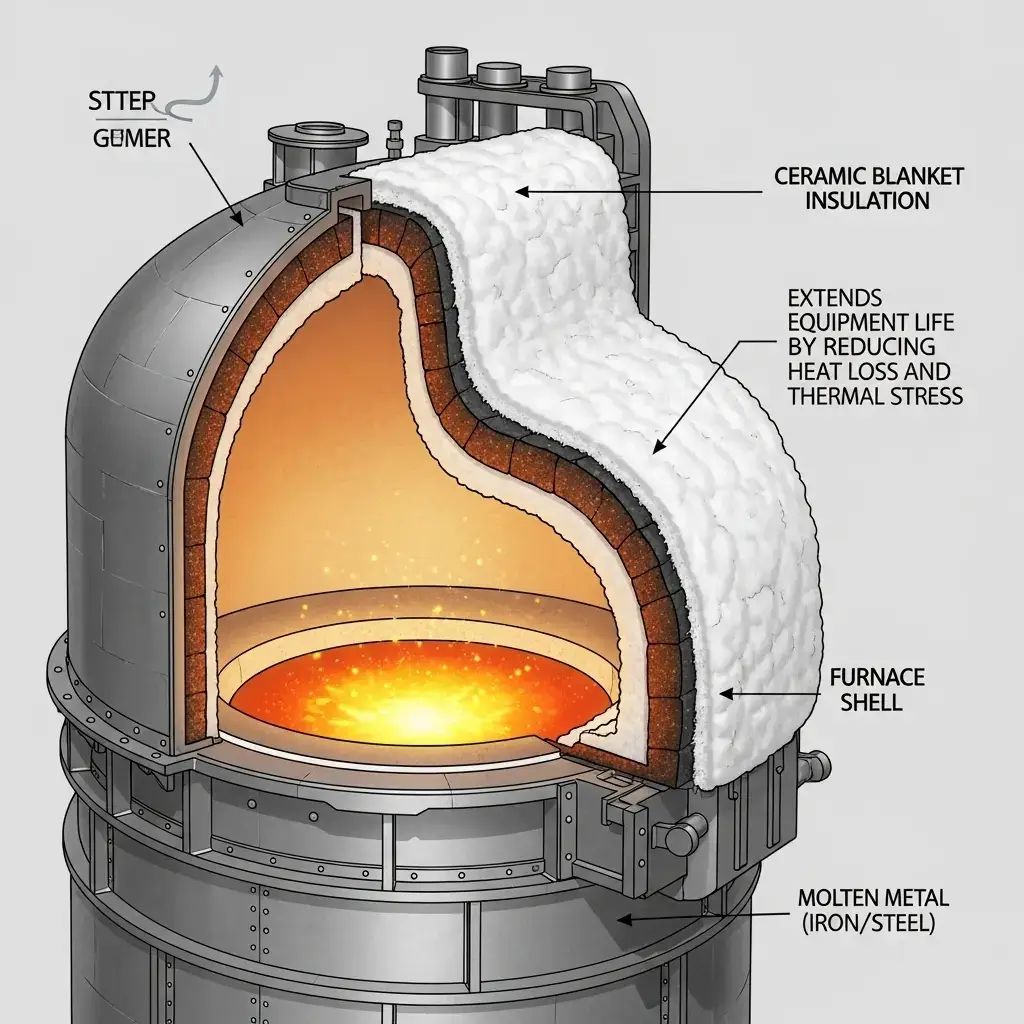
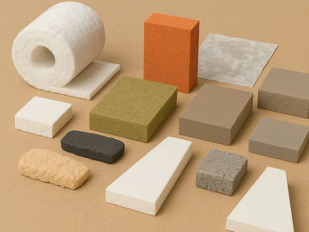
Soft bricks handle heat retention exceptionally well because of their porous structure. Most electric kilns depend heavily on IFB walls to maintain firing efficiency while reducing outer shell temperatures during long thermal soak cycles.
That flexibility helps during custom arch construction and chamber shaping. Still, IFBs are not designed for compression loads. Use them on a kiln floor and the surface eventually crushes beneath kiln shelves, posts, and stacked ware weight.
2. Hard Fire Brick / Dense Brick
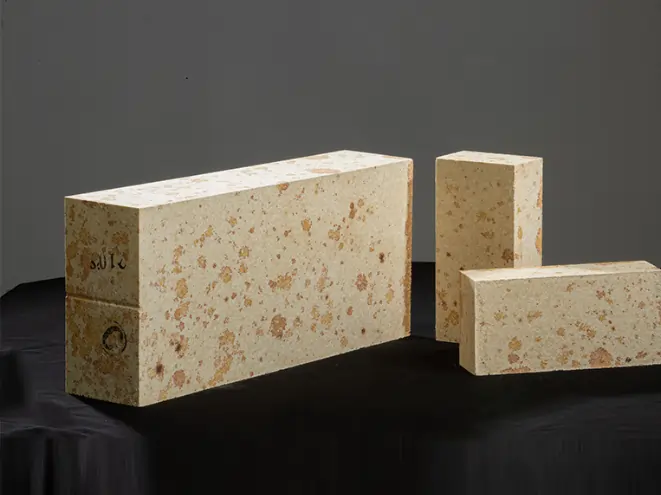
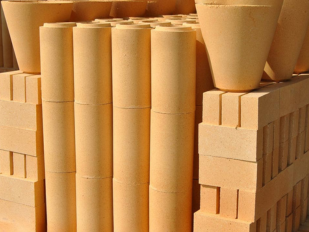
Dense bricks are built by keeping structural strength above insulation value. These bricks resist abrasion far better during repeated loading cycles and direct flame exposure.
Experienced kiln builders usually install them beneath kiln furniture, around burner ports, and inside wood-fire chambers where ash buildup and mechanical impact become severe.
Hard brick keeps arch integrity stable under load.
3. High Alumina Fire Bricks
High-alumina bricks operate in another category entirely. Their elevated alumina ratios improve corrosion resistance during aggressive firings where reduction in atmosphere conditions, flux exposure, or ash deposits begin attacking ordinary refractory surfaces.
These bricks tolerate much higher thermal stress before structural spalling begins around the hot face.
Applications of Fire Bricks
- Dense bricks are commonly installed on kiln floors for load-bearing strength.
- IFBs are used along chamber walls to improve heat retention.
- Hard bricks perform better near burner ports facing direct flame impingement.
- Refractory mortar maintains joint integrity during expansion cycles.
- High-alumina bricks are preferred in aggressive reduction atmosphere firings.
Build Kilns That Hold Heat the Right Way
Techno World Corporation supplies refractory bricks for ceramic kilns built around real firing conditions, not generic catalog specifications.
Whether the concern is arch integrity, thermal retention, or resistance against repeated high-fire cycles, our team helps kiln builders and ceramic studios select refractory materials that perform reliably over long production runs.
Popular Posts