Acid Proof Bricks in India: Properties, Standards and Industrial Uses
Published by Techno World Corporation on 4 November 2026
Wherever acids are stored, handled or spilled, ordinary concrete and masonry break down quickly. Acid proof bricks, also called acid resistant bricks, form a dense, chemically resistant surface that protects floors, drains, tanks and process areas. India's chemical, fertiliser, steel pickling, textile, paper and pharmaceutical industries rely on them every day. This guide explains what acid proof bricks in India are, how they are specified and where they work best.
What Makes a Brick Acid Proof?
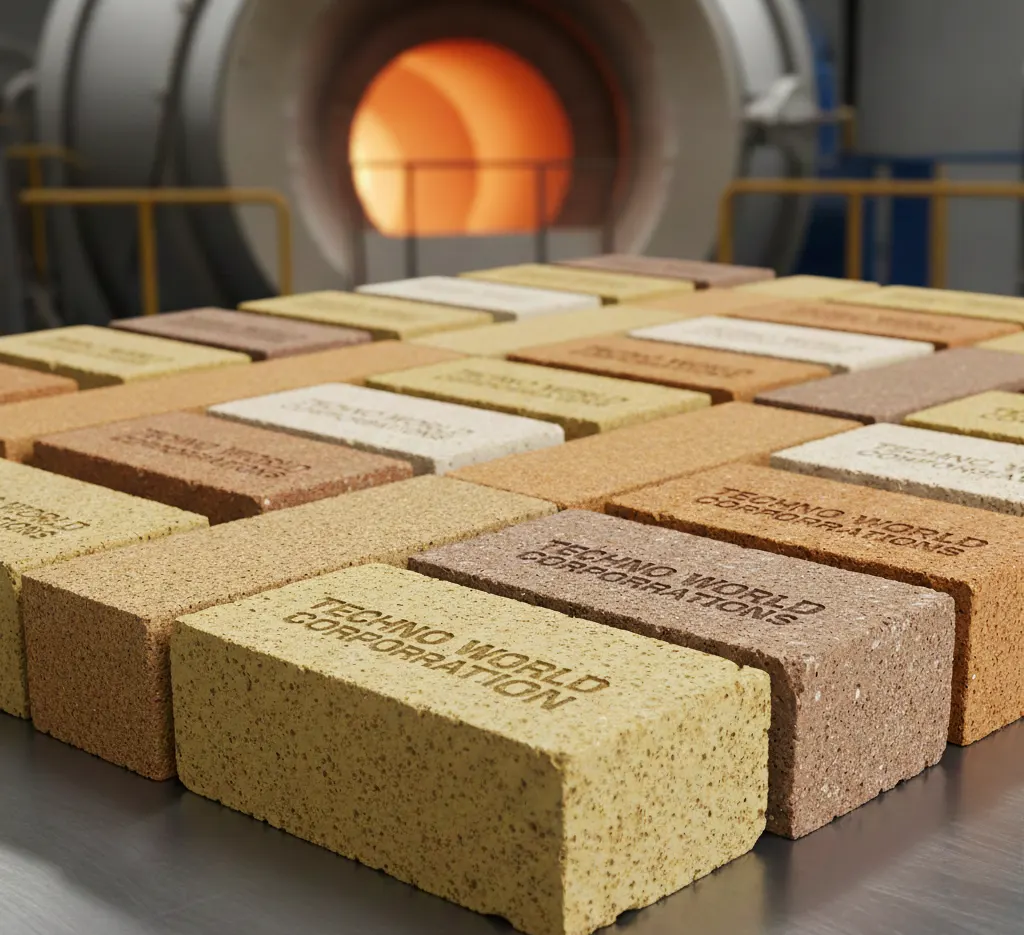
Acid proof bricks are made from selected clays rich in silica and alumina, pressed densely and fired at high temperature until the body becomes vitrified, meaning glass-like with very low porosity. Low porosity stops acids from soaking in, and the silica-alumina composition resists chemical attack.
Key Properties
| Property | Why it matters |
|---|---|
| Low water absorption | Less penetration by liquids and chemicals |
| High acid resistance | Little weight loss when exposed to acids |
| High compressive and flexural strength | Withstands traffic, loads and impact |
| Dimensional accuracy | Thin, uniform joints that resist chemical attack |
| Abrasion resistance | Long life on trafficked floors |
The Indian Standard: IS 4860
In India, acid resistant bricks are commonly specified to IS 4860, which defines requirements such as dimensions, water absorption, strength and acid resistance, and divides bricks into classes. Class I bricks have tighter requirements for more severe duty. Specify the class on drawings and ask suppliers for test results against the standard.
Where Acid Proof Bricks Are Used
- Floors and drains in chemical and fertiliser plants
- Pickling and plating areas in steel and metal finishing
- Effluent treatment plant channels and sumps
- Acid storage tanks and neutralisation pits, as part of a acid proof brick lining
- Battery rooms and laboratories
- Textile, paper, food and dairy processing floors where acidic cleaners are used
What Acid Proof Bricks Cannot Handle Well
- Hydrofluoric acid and fluorides attack silica; carbon-based bricks are usually specified instead.
- Hot, concentrated alkalis can attack silica-rich bodies; check suitability with your supplier.
- Severe thermal shock can crack dense bricks; avoid sudden extreme temperature changes.
Always share the full chemical list, concentrations and temperatures when specifying.
Bricks Are Only Part of the System
The joints between bricks are often the weakest point. Choosing the right acid resistant mortar, and a membrane behind the bricks, matters as much as the bricks themselves. See our guide to mortars and lining systems.
Common Sizes
Acid proof bricks and tiles come in various sizes and thicknesses for floors, walls and tank linings. Thicker bricks suit heavy traffic and deep immersion; thinner tiles suit lighter duty and walls. Confirm sizes and tolerances with your supplier before design.
Key Takeaways
- Acid proof bricks are dense, vitrified bricks that resist acid attack.
- In India they are commonly specified to IS 4860, with classes for different duties.
- Hydrofluoric acid and hot strong alkalis need special materials.
Example: An Effluent Treatment Plant Floor
A dyeing unit's effluent treatment area had a concrete floor that crumbled within a year of acid spills during neutralisation. Rebuilding it with a bitumen membrane, acid proof bricks and a silicate mortar suited to the acids used created a floor that resisted spills and could be washed down daily without damage.
Common Mistakes
- Specifying bricks without naming the class or standard
- Ignoring alkaline cleaning chemicals used on the same floor
About Techno World Corporation
Techno World Corporation, based in Rajkot, Gujarat, manufactures, supplies and exports refractory and insulating materials. The company holds ISO 9001:2015, ISO 14001:2015 and CE certifications and serves buyers in India and abroad, including the UK, Australia, Canada, Spain, Malaysia, Germany and New Zealand. See our quality approach and global presence.
Request Acid Proof Brick Prices
Contact Techno World Corporation, call +91 77779 78989 or +91 87587 20335, or email info@technoworldcorporation.com. You can also download our refractory brochure.
Popular Posts

Looking for a Reliable Refractory Supplier?
Tell us your application and we will recommend the right material and share specifications and pricing.
Request a Quote